


There’s something undeniably comforting about a warm bowl of beef stew with mashed potatoes.
The rich, savory flavors combined with the creamy smoothness of the mashed potatoes make it a dish that warms both the body and soul.
This recipe is a perfect example of how simple ingredients can come together to create something extraordinary.
As the days grow shorter and the weather turns cooler, there’s nothing quite like settling down with a hearty bowl of beef stew.
Whether you’re cooking for family or entertaining guests, this dish is sure to impress with its deep flavors and satisfying texture.
The History and Cultural Significance
• Beef Stew traces its origins to medieval Europe, where it was originally created by peasants using whatever ingredients were available.
• The dish evolved over decades as trade and exploration introduced new spices and ingredients, eventually becoming the beloved version we know today.
• In many cultures, this dish traditionally appears at family gatherings and special occasions, symbolizing warmth and togetherness.
• While many variations exist across different regions, the authentic version maintains a rich and hearty broth that sets it apart from imitations.
Recipe Overview
Nutritional Information (per serving)
Essential Equipment Guide
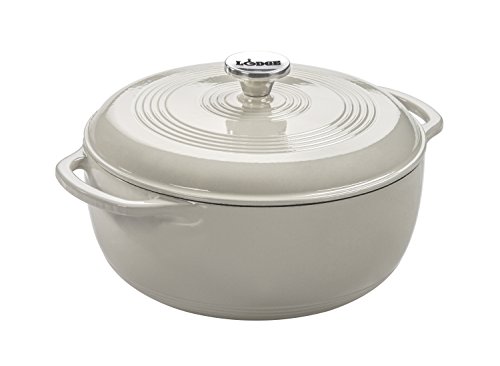
Heavy-Duty Dutch Oven: A Dutch oven is crucial for achieving authentic results as it provides even heat distribution and retains moisture. Alternatives like a large pot may work, but ensure it has a heavy base for even cooking.
Potato Masher: For the creamiest mashed potatoes, a potato masher allows for control over the texture. A ricer can be an alternative for a smoother finish.
Sharp Chef’s Knife: A sharp knife is essential for precise cutting of beef and vegetables. Look for a knife with a comfortable grip and balanced weight for the best results.




Ingredients
For the Base
|
|
| Amount | Ingredient | Notes |
|---|---|---|
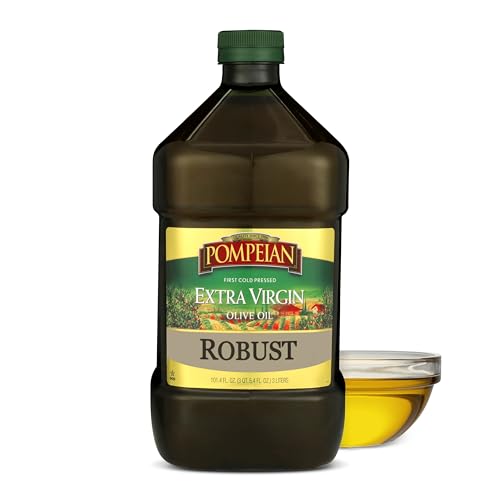
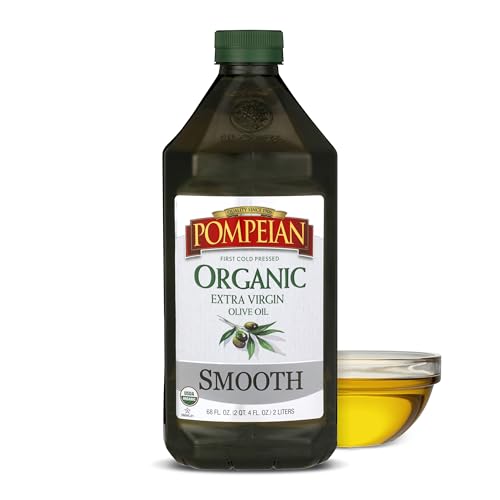
| 2 tablespoons | olive oil | for browning beef |
| 1 pound | beef chuck | cut into 1-inch cubes |
Vegetables
| Amount | Ingredient | Notes |
|---|---|---|
| 3 large | carrots | peeled and sliced |
| 2 medium | onions | diced finely |
Seasonings
| Amount | Ingredient | Notes |
|---|---|---|
| 2 cloves | garlic | minced |
| 1 bay leaf | adds depth to the stew | |
| 1 teaspoon | salt | enhances flavor |
For the Sauce
| Amount | Ingredient | Notes |
|---|---|---|
| 2 cups | beef broth | for rich flavor |
| 1 tablespoon | tomato paste | for tanginess |



Preparation Methods
Searing: Searing the beef cubes before stewing them is crucial for developing deep flavors. The caramelization of the meat adds a rich, savory note to the dish. Ensure the pan is hot and do not overcrowd to achieve a good sear.
Deglazing: This technique involves adding liquid to a hot pan to release the flavorful bits stuck to the bottom. It enriches the stew's base. Use beef broth or wine and scrape the bottom with a wooden spoon.
Simmering: Slow simmering allows the flavors to meld and the beef to become tender. Keep the heat low and cover the pot partially, ensuring a gentle bubble without boiling rapidly.


Step 1: Prepare Ingredients
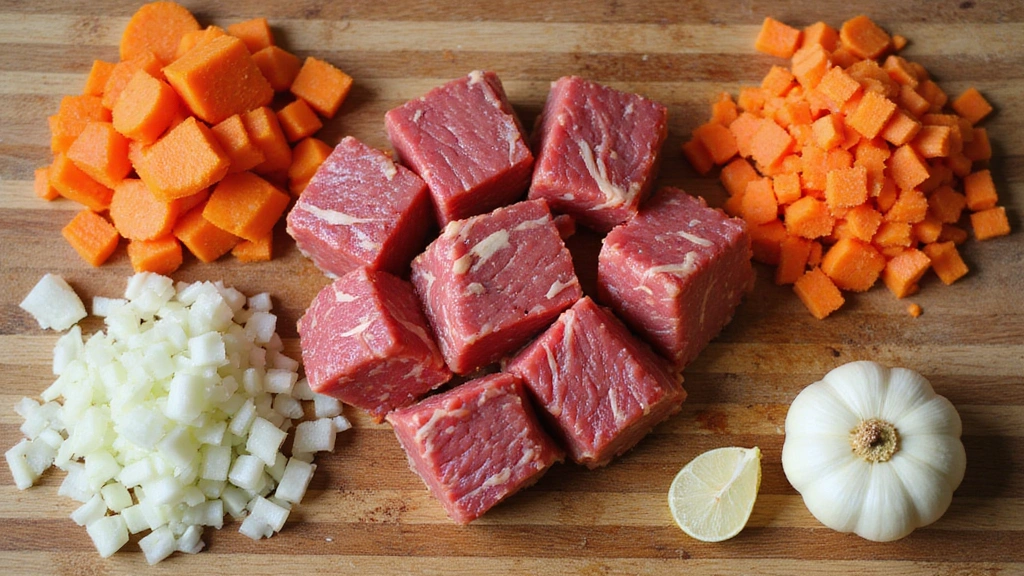
Gather all the ingredients listed in the recipe.
Cut the beef chuck into 1-inch cubes and season with salt.
Peel and slice the carrots, and dice the onions finely.
Mince the garlic cloves to release their flavor.
Step 2: Sear the Beef
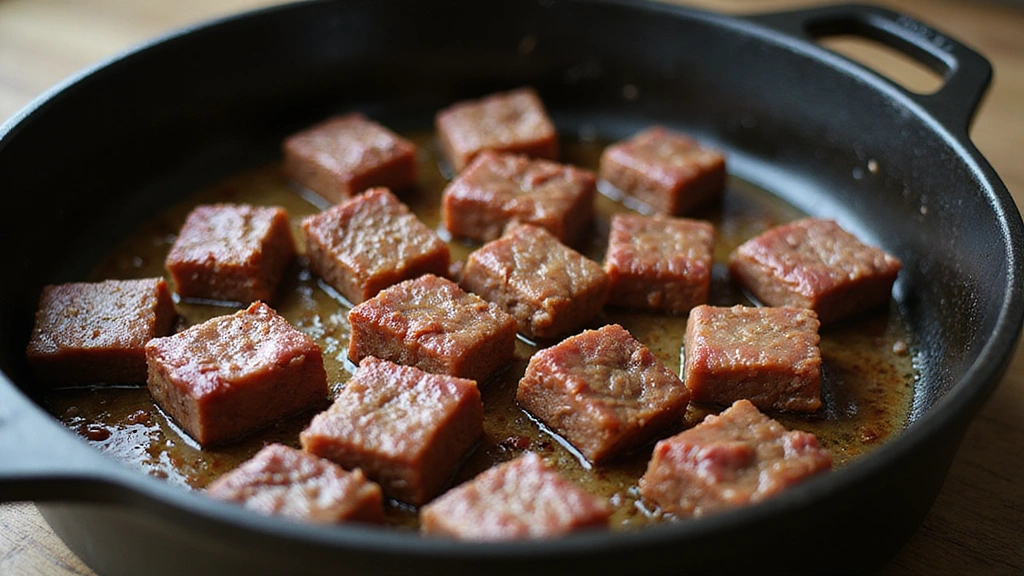
Heat olive oil in a heavy-duty Dutch oven over medium-high heat.
Add the beef cubes in batches, ensuring not to overcrowd the pan.
Sear until the beef is browned on all sides, removing each batch to a plate as you go.
This step is crucial for building the stew's depth of flavor.


Step 3: Sauté the Vegetables

Reduce the heat to medium and add the diced onions to the same pot.
Cook until the onions become translucent and slightly caramelized.
Stir in the minced garlic and sliced carrots, cooking for another 3 minutes.
This allows the vegetables to soften and release their natural sweetness.
Step 4: Deglaze the Pot

Pour in the beef broth to deglaze the pot, scraping up any browned bits from the bottom.
Add the tomato paste and stir to combine with the broth.
Bring the mixture to a simmer, allowing the flavors to meld.
This step enriches the base with concentrated flavors.
Step 5: Combine Ingredients
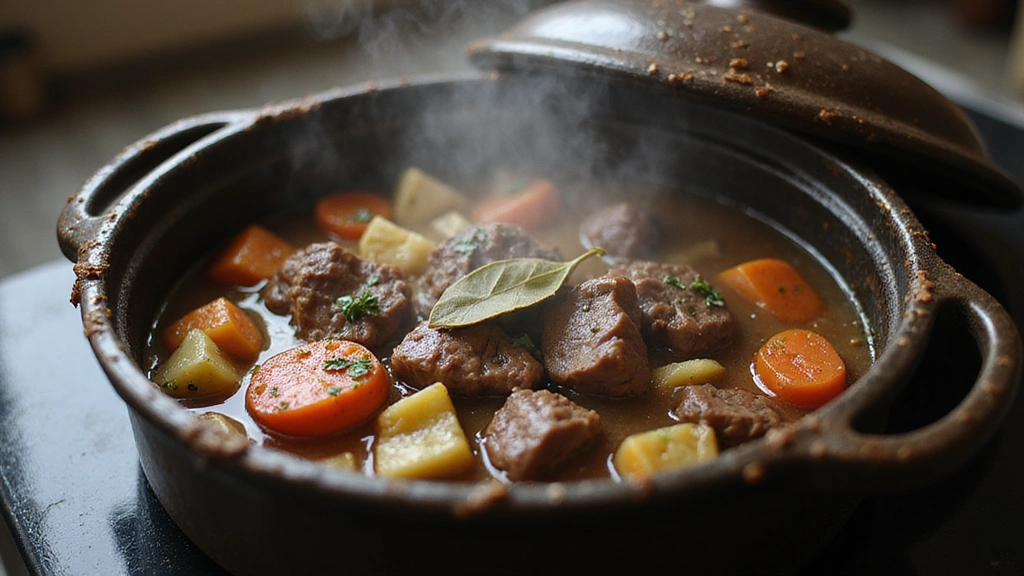
Return the seared beef and any accumulated juices to the pot.
Add the bay leaf for depth and seasoning.
Stir everything together, ensuring the beef and vegetables are well coated with the broth.
Cover the pot partially and bring to a gentle simmer.



Step 6: Simmer the Stew
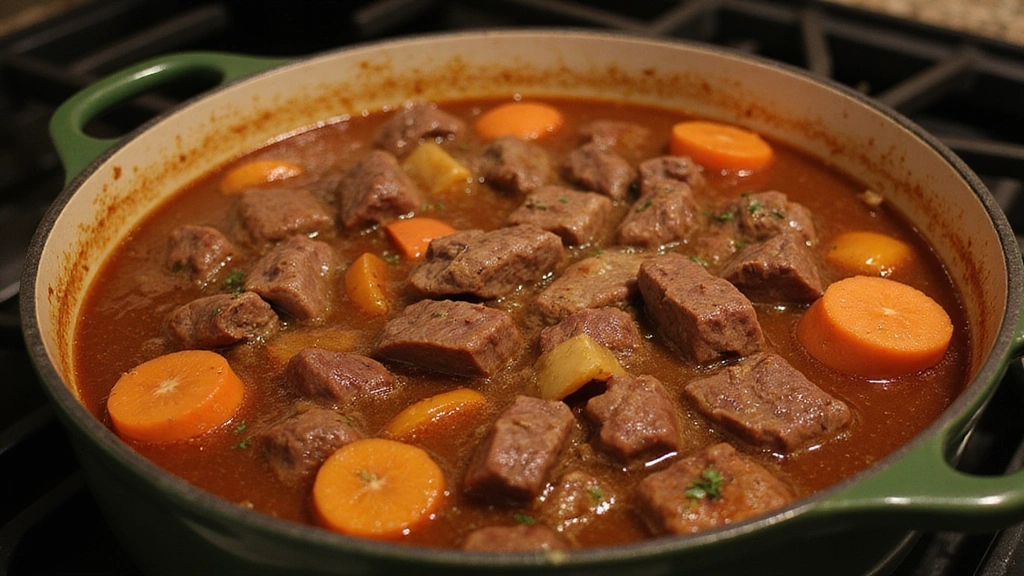
Reduce the heat to low, maintaining a gentle simmer.
Cook for about 1.5 to 2 hours, stirring occasionally.
Check the beef for tenderness; it should be easily pierced with a fork.
This slow cooking ensures the meat is melt-in-your-mouth tender.


Step 7: Prepare Mashed Potatoes
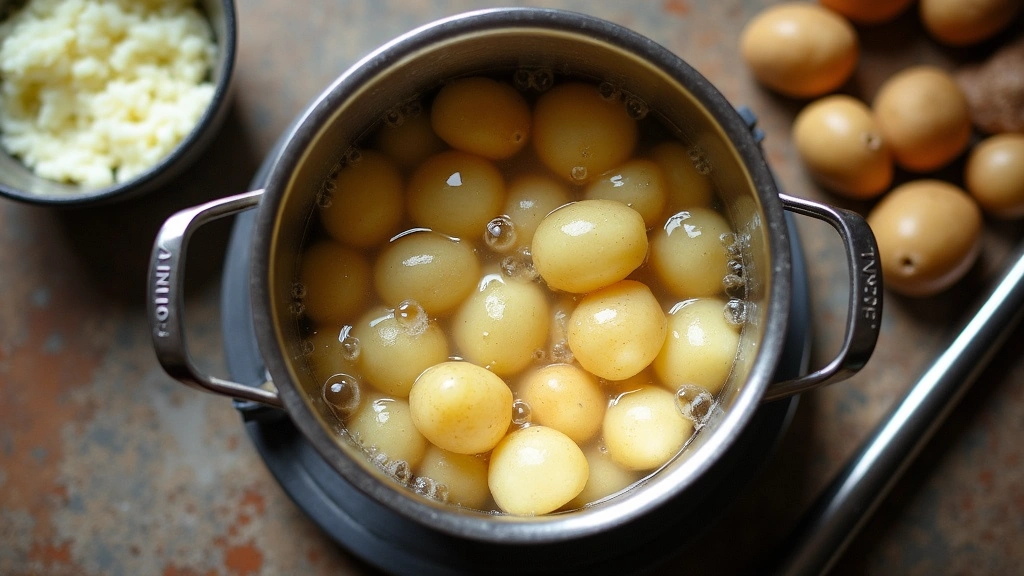
While the stew cooks, peel and quarter the potatoes.
Boil them in salted water until fork-tender, about 15-20 minutes.
Drain the potatoes and return them to the pot.
Mash with butter and milk until smooth and creamy.
Step 8: Serve and Garnish

Remove the bay leaf from the stew before serving.
Spoon the beef stew over a generous helping of mashed potatoes.
Garnish with freshly chopped parsley for a pop of color.
Enjoy the hearty flavors and comforting warmth of the dish.
Critical Timing and Temperature Guide
Searing Beef: Ensure the Dutch oven is hot before adding beef. Look for a deep brown crust, which takes about 3-4 minutes per side. Avoid overcrowding the pan.
Simmering the Stew: Keep the stew at a gentle simmer, not a rolling boil, to prevent tough meat. Check for tenderness periodically.
Boiling Potatoes: Boil potatoes until fork-tender, usually 15-20 minutes. Overcooking leads to water-logged potatoes.
Pro Tips for Beef Stew with Mashed Potatoes
• Ingredient Selection: Choose well-marbled beef chuck for tenderness and flavor. Fresh, organic vegetables enhance the overall taste.
• Preparation Secret: Marinate the beef in red wine for an hour before cooking to develop deeper flavors.
• Temperature Management: Start with room-temperature beef for even cooking and better searing.
• Texture Enhancement: Use a potato ricer for the smoothest mashed potatoes, avoiding lumps.
• Flavor Layering: Add a splash of Worcestershire sauce for umami depth just before serving.
• Make-Ahead Strategies: Prepare the stew a day in advance to allow flavors to develop. Reheat gently on the stove.
• Restaurant-Quality Finishing Touches: Top the dish with a drizzle of truffle oil for a luxurious touch.
• Equipment Optimization: Use a cast-iron Dutch oven for superior heat retention and distribution.


Troubleshooting Common Issues
• Meat Too Tough: This is often caused by boiling instead of simmering. Ensure a gentle simmer and extend cooking time if necessary.
• Stew Too Watery: If the stew lacks body, remove the lid and let it simmer down to thicken, or add a slurry of cornstarch and water.
• Mashed Potatoes Gummy: Over-mixing potatoes releases starch, making them gummy. Mash gently and add liquid gradually.
• Flavors Unbalanced: If the stew tastes flat, adjust seasoning with salt and a touch of acid like vinegar or lemon juice.
• Vegetables Undercooked: Ensure vegetables are cut uniformly to cook evenly. Simmer longer if necessary.
• Beef Sticking to Pot: This happens if the heat is too high. Stir frequently and adjust heat as needed.
Variations and Regional Differences
• French Style (Boeuf Bourguignon): Uses red wine instead of broth, adding mushrooms and pearl onions for a more nuanced flavor.
• Irish Style (Beef and Guinness Stew): Incorporates Guinness beer for a deep, rich taste and often includes potatoes and parsnips in the stew.
• Asian Influence: Incorporates soy sauce, ginger, and star anise for an umami-rich broth with a hint of sweetness.
• Southwestern Twist: Adds chili powder, cumin, and corn for a spicy, hearty variation with a kick.
Food Science Behind the Recipe
• Maillard Reaction: This chemical reaction between amino acids and reducing sugars gives browned meat its distinctive flavor.
• Gelatinization of Starches: As potatoes cook, starches absorb water, swell, and soften, creating the creamy texture.
• Emulsion in Mashed Potatoes: Proper emulsification of butter and milk into the potatoes creates a smooth, cohesive mash.
Frequently Asked Questions
What's the most common mistake people make when preparing Beef Stew with Mashed Potatoes? Overcooking the beef at a high temperature, which results in tough meat.
Can I use a slow cooker for this recipe? Yes, sear the beef first, then transfer all ingredients to a slow cooker and cook on low for 6-8 hours.
How can I thicken my stew without using flour? Use a cornstarch slurry or purée some of the vegetables into the broth.
What's the best way to store leftovers? Store in an airtight container in the refrigerator for up to 3 days, or freeze for up to 3 months.
Can I make this stew vegetarian? Substitute beef with mushrooms and vegetable broth for a hearty vegetarian version.
How do I prevent mashed potatoes from becoming gummy? Use a ricer or mash gently with a masher, adding butter and milk slowly.
What's the ideal wine pairing for this dish? A robust red wine like Cabernet Sauvignon or Merlot complements the rich flavors.
Serving and Presentation Guide
• Traditional Presentation: Serve in rustic bowls with a side of crusty bread for a classic look.
• Modern Plating: Use a ring mold to stack mashed potatoes with stew on top, garnished with fresh herbs.
• Family-Style: Serve on a large platter with mashed potatoes in the center and stew ladled over.
• Gourmet Touch: Add a drizzle of balsamic reduction and a sprinkle of microgreens for a refined finish.



Conclusion
Beef Stew with Mashed Potatoes is more than just a meal; it's a comforting embrace on a chilly day.
Its rich flavors and hearty texture make it a favorite for any occasion.
I encourage you to try this recipe and share it with loved ones.
Experience the warmth and satisfaction of this timeless dish.