

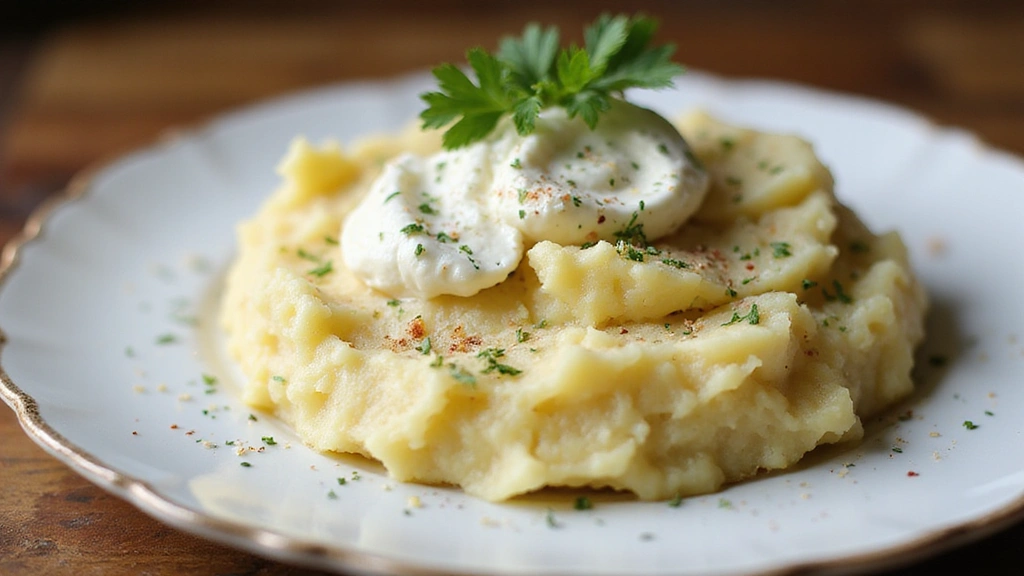
The smooth, creamy texture of mashed potatoes with cream cheese takes this classic comfort food to the next level.
Each bite is a velvety blend of buttery richness and subtle tanginess, thanks to the addition of cream cheese.
I first encountered this decadent version at a family gathering, where it was the star of the dinner table.
Whether it’s a chilly winter evening or a festive holiday celebration, this dish adds warmth and indulgence to any meal.
Prepare to delight your guests with a side dish that’s as effortless to make as it is impressive to serve.
The History and Cultural Significance
• Mashed Potatoes with traces its origins to the Andes region in South America, where potatoes were first cultivated.
• The dish evolved over decades as European settlers introduced butter and milk into the recipe, eventually incorporating cream cheese for added richness.
• In American culture, this dish traditionally appears at Thanksgiving and Christmas dinners, symbolizing abundance and gratitude.
• While many variations exist across different regions, the authentic version maintains a smooth, creamy texture that sets it apart from imitations.


Recipe Overview
Nutritional Information (per serving)

Essential Equipment Guide
Potato Masher: A potato masher is essential for achieving the perfect consistency in mashed potatoes. While a fork or electric mixer can work, a masher provides more control over texture, ensuring the potatoes are smooth without becoming gluey.
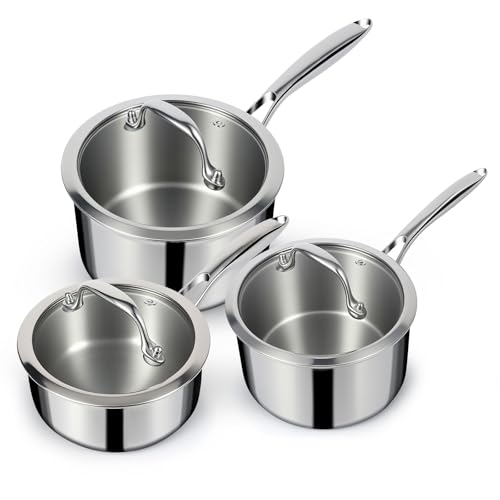
Large Saucepan: A large saucepan allows you to boil potatoes evenly without overcrowding. Look for a saucepan with a thick bottom to prevent sticking and ensure even cooking.
Fine Mesh Sieve: Using a fine mesh sieve can help remove any lumps in the potatoes for an ultra-smooth finish. If not available, a food mill is a good alternative.
Ingredients
For the Base
|
|
| Amount | Ingredient | Notes |
|---|---|---|
| 2 pounds | russet potatoes | peeled and cubed |
| 4 ounces | cream cheese | softened, adds tanginess |
| 1/2 cup | whole milk | warmed, for a creamy texture |
| 1/4 cup | unsalted butter | melted, adds richness |
Seasonings
| Amount | Ingredient | Notes |
|---|---|---|
| 1 teaspoon | salt | enhances flavor |
| 1/2 teaspoon | black pepper | freshly ground, for subtle heat |

Preparation Methods
Boiling Potatoes: Boiling potatoes evenly is crucial for a smooth mash. Start with cold water and bring to a boil for even cooking. Check doneness by piercing with a fork; they should be tender but not falling apart.
Incorporating Cream Cheese: Adding cream cheese must be done while the potatoes are hot to ensure it melts thoroughly. Mix it in gradually, using a masher to blend it seamlessly with the potatoes.
Achieving Perfect Consistency: For the ideal texture, avoid over-mashing as this can make the potatoes gluey. Use a gentle hand and stop as soon as the ingredients are just combined.

Step 1: Prepare Ingredients
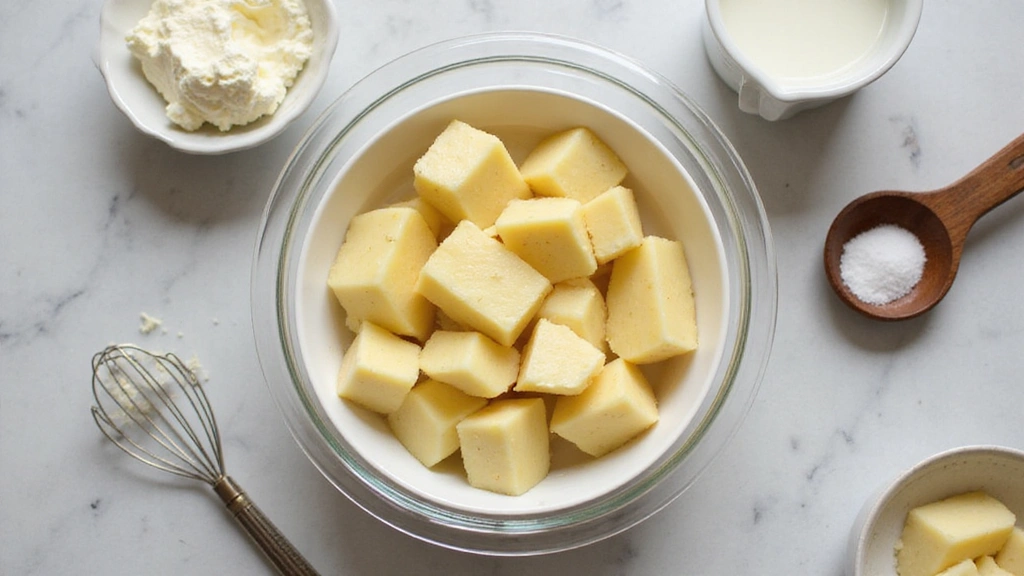
Peel and cube the russet potatoes.
Ensure the pieces are uniform for even cooking.
Place them in a large bowl of cold water to prevent browning.
Gather and measure all other ingredients for smooth preparation.
Step 2: Boil Potatoes
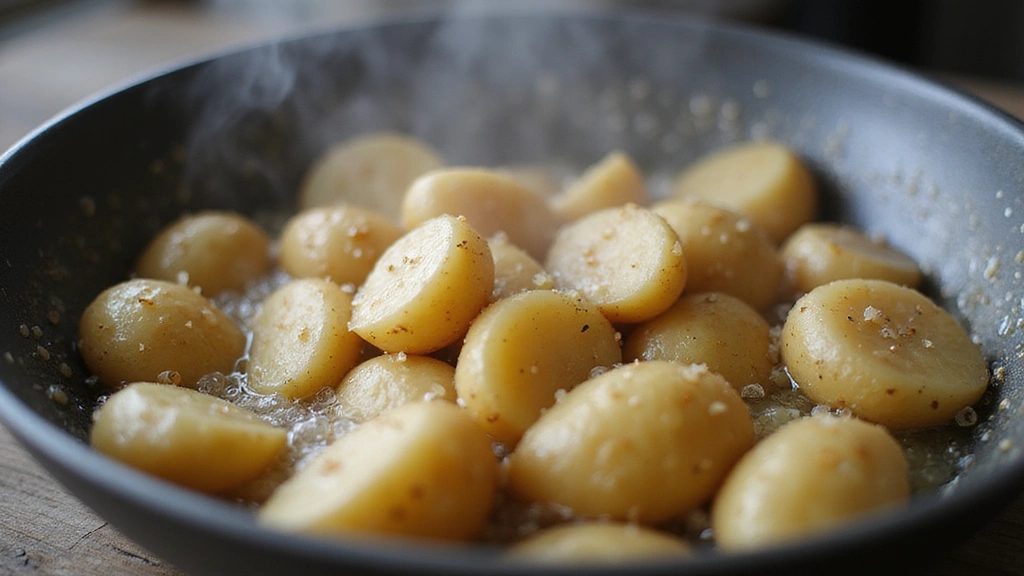
Transfer the potatoes to a large saucepan and cover with cold water.
Add a pinch of salt to the water for flavor.
Bring to a boil over medium-high heat, then reduce to a simmer.
Cook until potatoes are fork-tender, about 15 minutes.

Step 3: Drain and Dry Potatoes
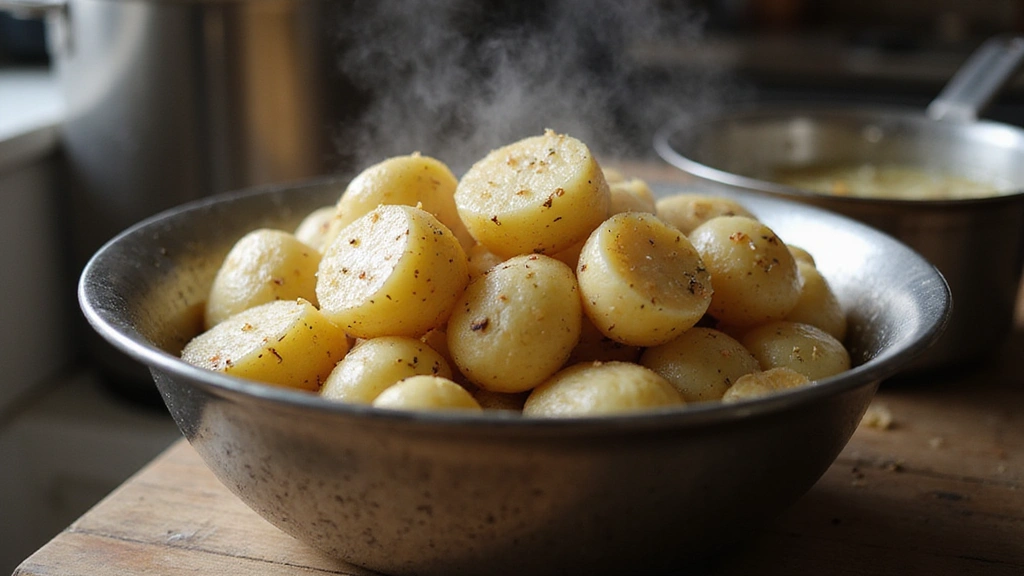
Carefully drain the boiled potatoes using a colander.
Return the potatoes to the saucepan over low heat.
Allow them to dry for a minute to remove excess water.
Stir gently to prevent sticking to the bottom.
Step 4: Add Cream Cheese and Butter
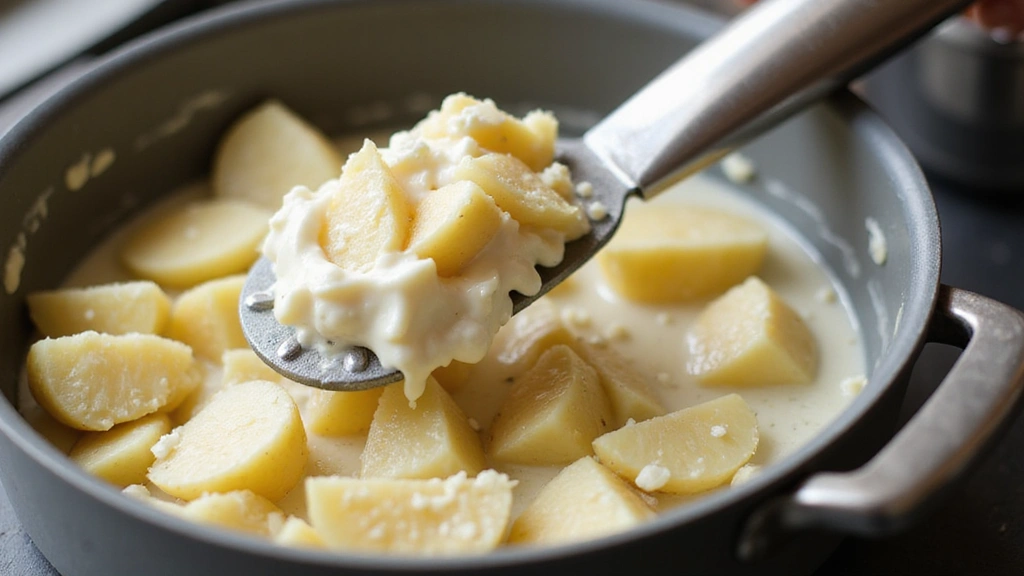
Add softened cream cheese and melted butter to the hot potatoes.
Use a potato masher to begin mashing and incorporating the ingredients.
Ensure the cream cheese melts completely for a smooth mixture.
Continue until the potatoes are mostly mashed.


Step 5: Incorporate Warm Milk
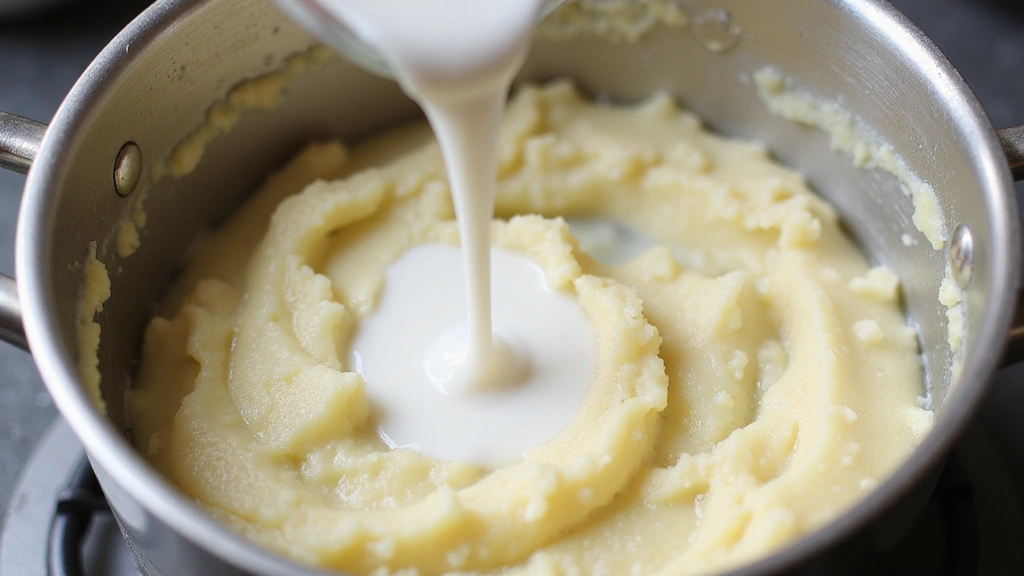
Gently heat the milk until warm but not boiling.
Pour the milk gradually into the mashed potato mixture.
Stir continuously to achieve a creamy consistency.
Adjust the amount of milk based on desired texture.
Step 6: Season to Taste
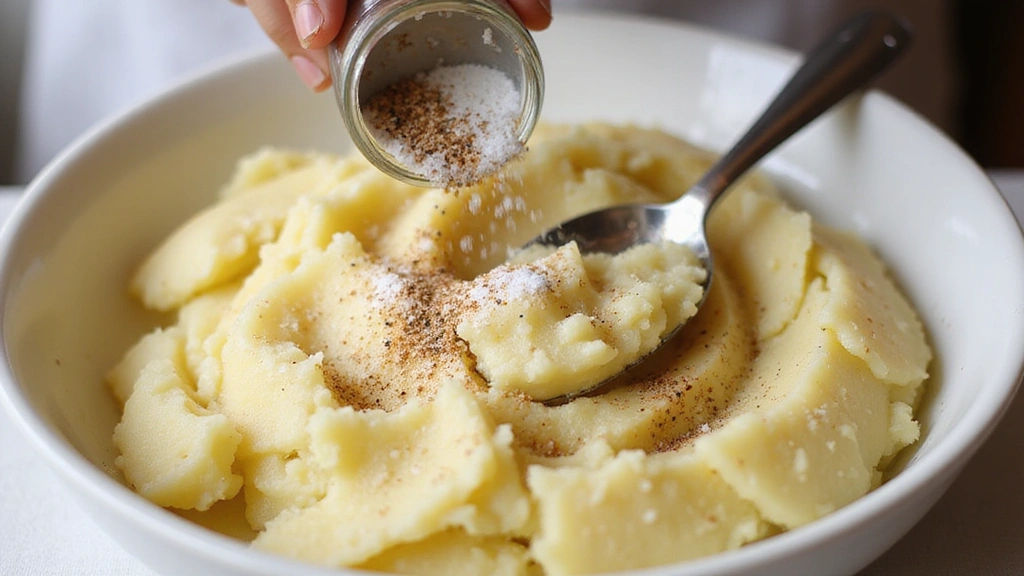
Add salt and freshly ground black pepper to the potatoes.
Stir well to distribute the seasoning evenly throughout the mash.
Taste and adjust seasoning as needed, keeping in mind the creaminess of the dish.
Ensure all ingredients are fully combined for a harmonious flavor.


Step 7: Final Mash and Texture Check
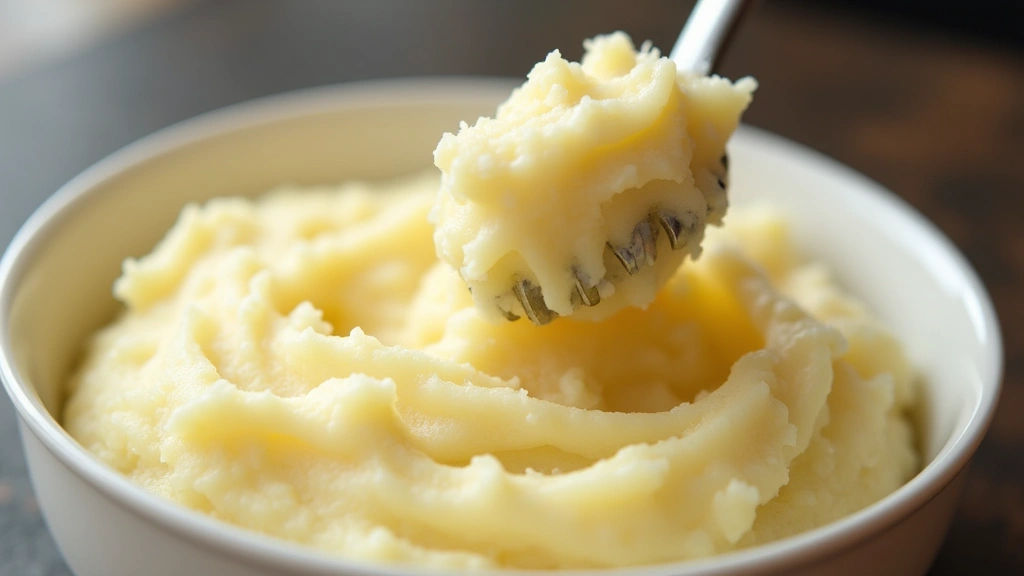
Use the masher to perform a final mash, checking for any lumps.
Aim for a smooth, creamy texture without overworking the potatoes.
Look for a silky consistency that holds its shape slightly.
Adjust seasoning if necessary before serving.
Step 8: Serve and Garnish
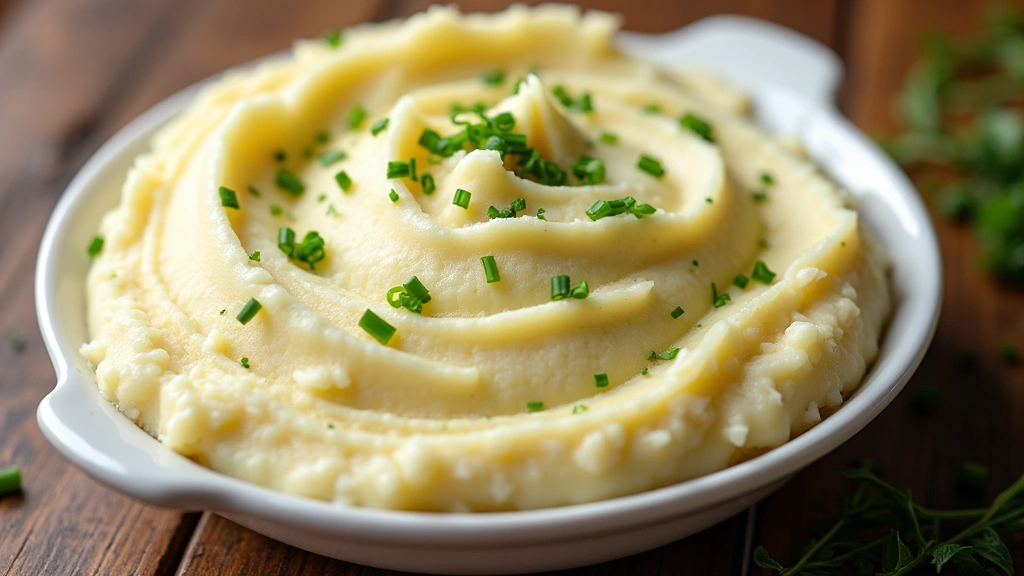
Transfer the mashed potatoes to a serving dish.
Use a spatula to create decorative swirls on top.
Garnish with fresh chives or parsley for color.
Serve hot as a comforting side dish.



Critical Timing and Temperature Guide
Boiling Potatoes: Boil potatoes for exactly 15-20 minutes, checking for fork-tenderness. Avoid overcooking, which leads to waterlogged potatoes.
Incorporating Dairy: Ensure butter and cream cheese are at room temperature, and milk is warmed. This prevents the potatoes from cooling too quickly and maintains a creamy texture.
Final Mash: Perform the final mash while potatoes are still warm. Cold potatoes result in a gummy texture. Avoid over-mashing to keep them light and fluffy.
Pro Tips for Mashed Potatoes with
• Ingredient Selection: Choose russet potatoes for their high starch content, which ensures a fluffy texture. Fresh, high-quality cream cheese enhances the flavor profile.
• Preparation Secret: A surprising tip is to dry the potatoes briefly on low heat after boiling, which prevents a watery mash.
• Temperature Management: Keep all ingredients warm during preparation to achieve a smooth and cohesive mix.
• Texture Enhancement: Use a fine mesh sieve for an ultra-smooth texture, similar to restaurant-quality mashed potatoes.
• Flavor Layering: Consider adding roasted garlic or herbs during the final mash for a depth of flavor.
• Make-Ahead Strategies: Prepare the potatoes a day in advance and reheat gently over low heat, adding a splash of milk to restore creaminess.
• Restaurant-Quality Finishing Touches: Top with a pat of butter and freshly chopped herbs right before serving for an elegant presentation.
• Equipment Optimization: Use a food processor sparingly, as over-processing can lead to a gummy texture.
Troubleshooting Common Issues
• Texture Too Dense: This often results from over-mashing or using the wrong type of potatoes. Opt for a potato masher instead of a food processor and choose starchy potatoes like russets.
• Flavors Unbalanced: If the flavors seem off, adjust the salt and pepper. A small amount of acid, like a splash of lemon juice, can brighten the dish.
• Potatoes Too Watery: This occurs if the potatoes are overcooked or not dried properly. Reduce liquid added during mashing and dry the potatoes on low heat after draining.
• Gummy Texture: Over-mixing can cause this issue. Mash gently and stop as soon as the desired consistency is reached.
• Lumpy Result: Ensure potatoes are thoroughly cooked and use a sieve if necessary to remove lumps.
• Bland Taste: Under-seasoning is the culprit. Add salt incrementally and taste frequently to achieve the right flavor.
Variations and Regional Differences
• French Pommes Purée: This version uses equal parts butter and potatoes, creating a richer, silkier texture. It often includes garlic-infused cream.
• Irish Colcannon: Incorporates kale or cabbage into the mash, adding a nutritional boost and a unique flavor profile.
• British Bubble and Squeak: Leftover mashed potatoes are fried with vegetables like cabbage and carrots for a crispy, savory dish.
• American Garlic Mashed Potatoes: Roasted garlic is blended into the mash for a robust, aromatic flavor.

Food Science Behind the Recipe
• Starch Gelatinization: As potatoes cook, starches absorb water and swell, creating a thickened network that contributes to the creamy texture.
• Emulsion Formation: The blending of butter and cream cheese with the potato starches creates a stable emulsion, resulting in a smooth and creamy consistency.
• Protein Denaturation: Heating cream cheese softens its proteins, allowing it to integrate seamlessly with the mashed potatoes, enhancing the texture.
Frequently Asked Questions
What's the most common mistake people make when preparing Mashed Potatoes with Cream Cheese? Over-mashing the potatoes, which can lead to a gummy consistency.
Can I use a different type of potato? Yes, but russet potatoes are preferred for their starchy content, which gives the best texture.
How can I make this dish ahead of time? Prepare the mash a day in advance and reheat gently, adding a little milk to restore creaminess.
What's the best way to reheat leftovers? Reheat in a saucepan over low heat, adding a splash of milk or cream and stirring constantly.
Can I freeze mashed potatoes? Yes, freeze in an airtight container for up to a month, but thaw slowly for best texture.
How do I adjust the recipe for dietary restrictions? Use plant-based milk and cream cheese for a dairy-free version.
What can I add for extra flavor? Try adding roasted garlic, herbs, or a sprinkle of cheese for additional flavor.



Serving and Presentation Guide
• Traditional Presentation: Serve in a large bowl with a pat of butter melting on top and a sprinkle of fresh chives.
• Casual Family Style: Present in a rustic dish with a spoon or ladle to encourage family-style serving.
• Individual Servings: Pipe or spoon into individual ramekins for a sophisticated touch.
• Gourmet Plating: Use a ring mold to shape the mashed potatoes on a plate, then top with herbs or a drizzle of truffle oil.



Conclusion
With its rich, creamy texture and delightful flavor, these mashed potatoes with cream cheese are sure to become a new favorite.
Whether you're hosting a holiday feast or simply enjoying a cozy dinner at home, this dish promises comfort and satisfaction.
Give this recipe a try and experience the luxurious taste that elevates traditional mashed potatoes to a whole new level.