


Microwave Mashed Potatoes bring a modern twist to a classic comfort food, making it quicker and easier to prepare than ever before.
The creamy texture and rich flavor are achieved without the need for a stove, perfect for those busy weeknights.
I stumbled upon this method during a bustling holiday season when stovetop space was at a premium.
Whether you’re a seasoned chef or a kitchen novice, this recipe offers foolproof results with minimal effort.
The convenience of the microwave doesn’t compromise the traditional taste that everyone loves.
The History and Cultural Significance
• Microwave Mashed Potatoes trace their origins to the late 20th century, where it was developed as a quick alternative to traditional methods.
• The dish evolved over decades as microwave technology improved, allowing for better texture and flavor.
• In American culture, mashed potatoes frequently appear at Thanksgiving and Christmas dinners, symbolizing warmth and togetherness.
• While many variations exist across different regions, the authentic version maintains a creamy consistency that sets it apart from imitations.
Recipe Overview
Nutritional Information (per serving)
Essential Equipment Guide
Microwave-Safe Bowl: This is crucial for safe cooking in the microwave. Alternatives include glass or ceramic bowls that are labeled as microwave-safe. Look for a bowl with a lid or a vented cover to prevent splattering.
Potato Masher: Essential for achieving the right texture, though a fork or ricer can be used as alternatives. Choose one with a comfortable handle and sturdy construction for the best results.
Microwave: Obviously essential for this recipe, ensure your microwave is clean and functions properly. A turntable feature is beneficial for even cooking.
Ingredients
For the Base
|
|
| Amount | Ingredient | Notes |
|---|---|---|
| 4 medium | russet potatoes | peeled, for smooth texture |
| 1 cup | milk | adds creaminess |
| 3 tablespoons | butter | adds richness |
Seasonings
| Amount | Ingredient | Notes |
|---|---|---|
| 1 teaspoon | salt | enhances flavor |
| 1/2 teaspoon | black pepper | adds depth |
| 1 tablespoon | chives | finely chopped, for garnish |



Preparation Methods
Peeling and Chopping Potatoes: Properly peel and chop potatoes into even pieces, ensuring they cook uniformly in the microwave. Use a sharp peeler and be consistent with the size for best results.
Microwave Steaming: This technique involves cooking the potatoes with a small amount of water in a covered bowl to steam them. It preserves the potato's moisture and flavor. Ensure the lid is slightly vented to avoid pressure build-up.
Mashing Technique: Use a potato masher for a classic texture, ensuring not to over-mash as this can lead to a gluey consistency. For added creaminess, whip lightly with a fork or hand mixer.


Step 1: Prepare Ingredients
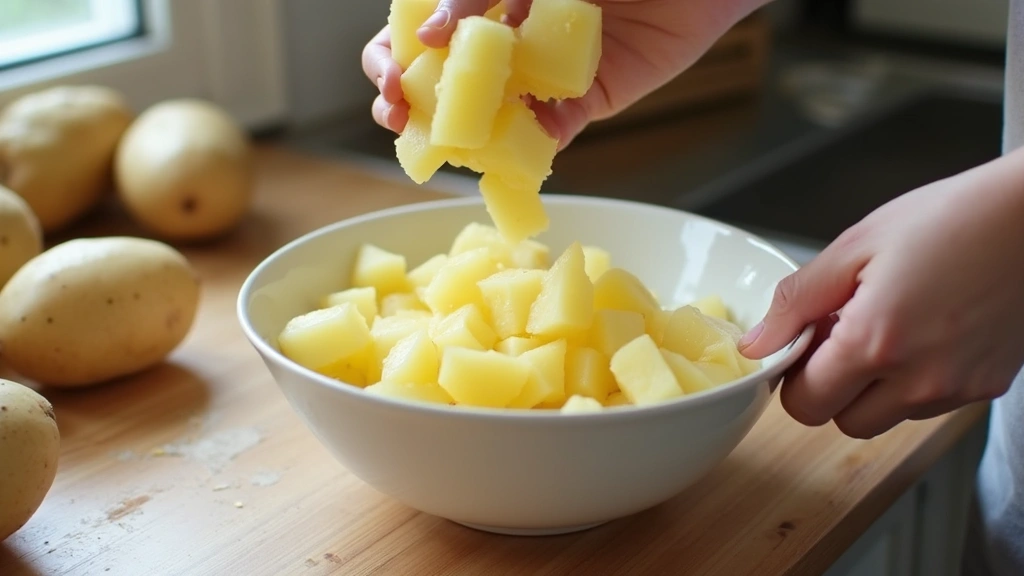
Begin by peeling the potatoes and cutting them into uniform chunks.
Ensure each piece is roughly the same size for even cooking.
This step is crucial for achieving an even texture.
Place the chopped potatoes into a microwave-safe bowl.
Step 2: Add Water and Cover
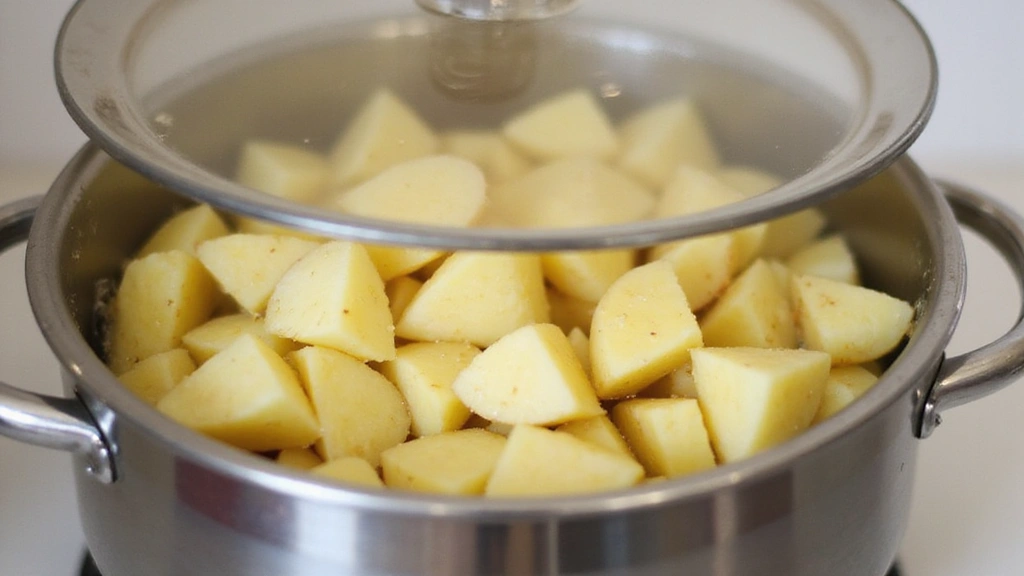
Add about 1/4 cup of water to the bowl with potatoes.
Cover the bowl with a microwave-safe lid or plastic wrap with a vent.
This helps steam the potatoes evenly in the microwave.
Ensure the cover is secure but allows steam to escape.
Step 3: Microwave Potatoes
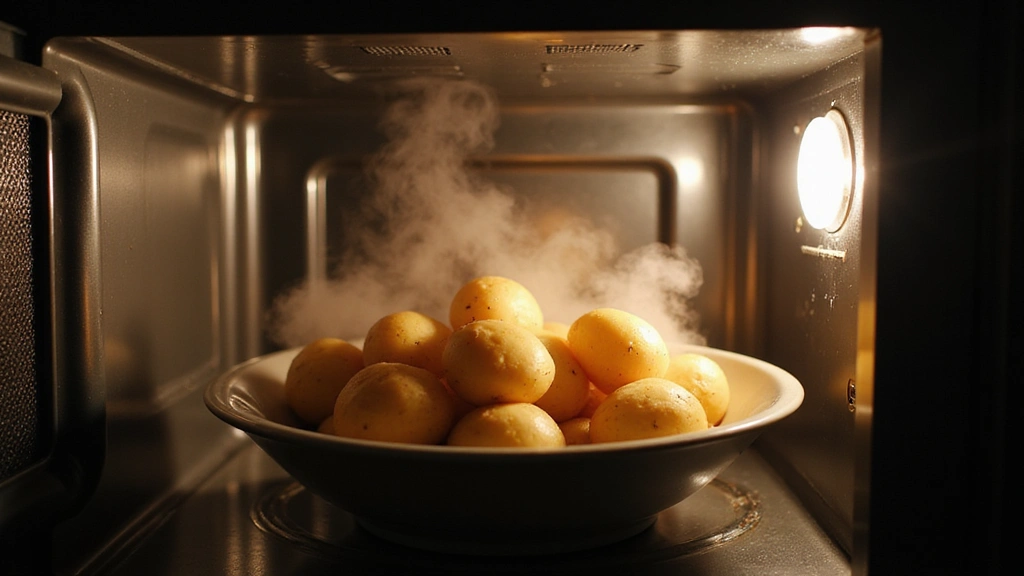
Place the covered bowl in the microwave.
Set the microwave to high and cook for 10 minutes.
Check the potatoes for tenderness by piercing with a fork.
They should be soft and break apart easily.
Step 4: Drain and Season
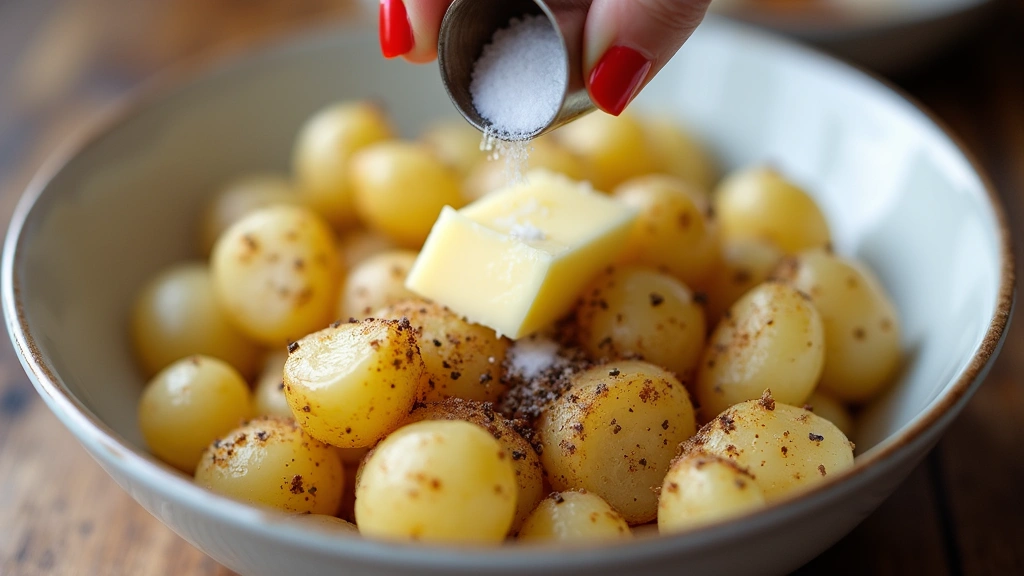
Carefully remove the bowl from the microwave using oven mitts.
Drain any excess water from the potatoes.
Add butter, salt, and pepper to the bowl.
These seasonings enhance the natural flavor of the potatoes.


Step 5: Mash the Potatoes
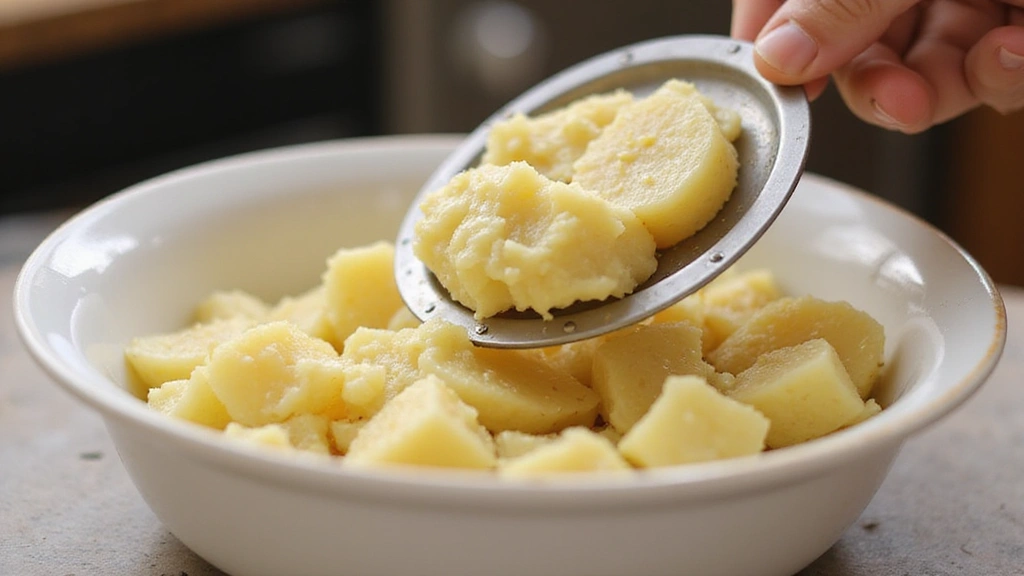
Use a potato masher to begin mashing the seasoned potatoes.
Mash until the desired texture is reached, smooth but slightly chunky.
This step is key for achieving the right consistency.
Be careful not to over-mash, which can lead to a gluey texture.
Step 6: Heat Milk
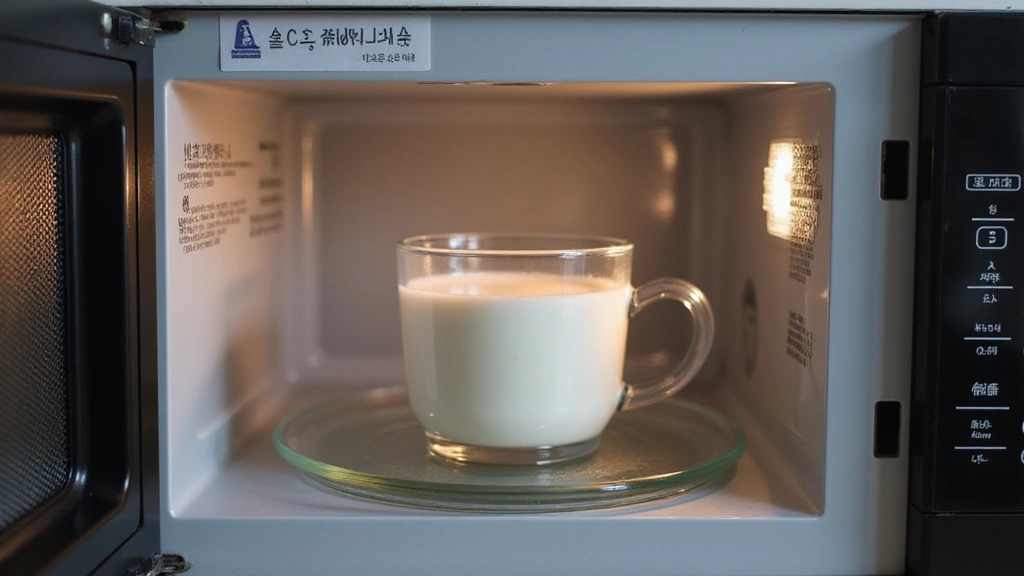
In a separate microwave-safe cup, heat the milk for 30 seconds.
Warm milk incorporates more smoothly into the potatoes.
Ensure the milk is warm but not boiling.
This prevents curdling when mixed with potatoes.


Step 7: Combine Milk with Potatoes
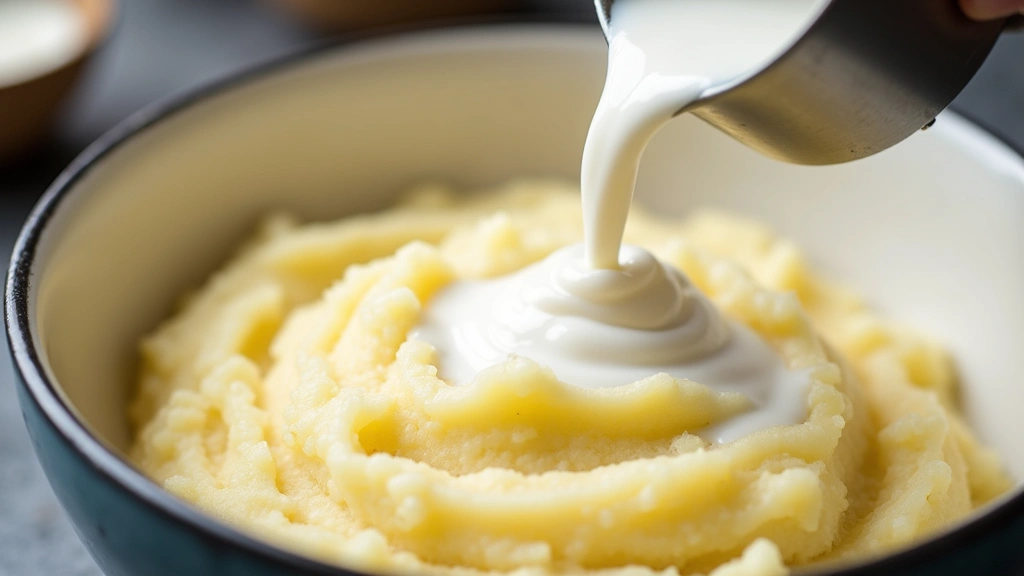
Pour the warm milk into the mashed potatoes.
Stir gently to combine until smooth and creamy.
The milk adds moisture and creaminess to the dish.
Mix thoroughly to ensure even distribution of ingredients.
Step 8: Garnish and Serve

Sprinkle chopped chives over the mashed potatoes for garnish.
The chives add a fresh flavor and a pop of color.
Serve the mashed potatoes warm as a side dish.
Enjoy the creamy and flavorful result with your meal.
Critical Timing and Temperature Guide
Steaming Potatoes: Cook the potatoes for exactly 10 minutes on high. Look for tender potatoes that break apart easily with a fork. Avoid undercooking, which results in a lumpy texture.
Heating Milk: Heat milk to warm (not boiling) for 30 seconds. Warm milk incorporates smoothly into potatoes. Avoid overheating to prevent curdling.
Mashing Potatoes: Mash potatoes immediately after steaming while they're hot. This ensures the butter melts properly and flavors blend well. Avoid letting them cool before mashing.
Pro Tips for Microwave Mashed Potatoes
• Ingredient Selection: Choose russet potatoes for their starchy quality, which gives a fluffier result. Avoid waxy potatoes which yield a denser mash.
• Preparation Secret: Let the potatoes rest for a minute after microwaving to ensure even steaming.
• Temperature Management: Always work with warm ingredients—cold butter or milk can cause the mash to stiffen.
• Texture Enhancement: For a smoother texture, pass the potatoes through a ricer before mashing.
• Flavor Layering: Incorporate roasted garlic or herbs during the mashing stage for depth of flavor.
• Make-Ahead Strategies: Prepare potatoes ahead and store in an airtight container. Reheat gently with added milk to refresh the texture.
• Restaurant-Quality Finishing Touches: Finish with a drizzle of truffle oil or a pat of high-quality butter before serving.
• Equipment Optimization: If using a microwave with a lower wattage, adjust cooking times accordingly for optimal results.



Troubleshooting Common Issues
• Texture Too Dense: Often caused by over-mashing or using the wrong type of potato. Use russet potatoes and mash only until combined.
• Lumpy Consistency: Results from undercooked potatoes. Ensure potatoes are thoroughly cooked and tender before mashing.
• Flavors Unbalanced: Can occur if seasoning is not adjusted to taste. Taste as you go and adjust salt and pepper as needed.
• Gluey Texture: Over-mixing can make potatoes gluey. Mash gently and avoid overworking the potatoes.
• Potatoes Dry Out: This happens if potatoes are not stored properly. Cover tightly and add a splash of milk when reheating to restore moisture.
Variations and Regional Differences
• French Style: Incorporates cream and garlic for a richer flavor profile, often finished with a drizzle of olive oil.
• Irish Style: Known as colcannon, this version includes cabbage or kale for added texture and flavor.
• American Southern Style: Typically includes cream cheese or sour cream for extra creaminess and tang.
• Indian Style: Features spices like cumin and turmeric, offering a unique flavor and vibrant color.


Food Science Behind the Recipe
• Starch Gelatinization: Understanding how starches absorb water and swell is key to achieving a fluffy texture.
• Maillard Reaction: Although not directly involved here, knowing how browning enhances flavor can inform ingredient choices like browned butter.
• Emulsion Science: The process of emulsifying butter into the potatoes is crucial for a creamy texture.
Frequently Asked Questions
What's the most common mistake people make when preparing Microwave Mashed Potatoes? Over-mashing the potatoes, which can lead to a gluey consistency.
Can I use different types of potatoes? Yes, but russet potatoes are recommended for their starchy quality that produces a fluffier mash.
How can I make this recipe vegan? Substitute the milk with a plant-based alternative and the butter with vegan margarine.
How do I store leftovers? Store in an airtight container in the refrigerator for up to 3 days. Reheat with a bit of milk to restore moisture.
Can I freeze mashed potatoes? Yes, but the texture may change. Freeze in an airtight container and reheat gently.
Why do you heat the milk? Warm milk incorporates better into the potatoes, preventing a sticky texture.
How do I make the mashed potatoes extra creamy? Use a ricer before mashing and incorporate more butter and milk.
Serving and Presentation Guide
• Traditional Presentation: Serve in a large, shallow bowl with a pat of butter melting on top.
• Individual Portions: Pipe or spoon into ramekins for a refined, portion-controlled presentation.
• Rustic Style: Serve in a cast-iron skillet for a homely, rustic look.
• Buffet Style: Present in a heated chafing dish to keep warm during gatherings.
Conclusion
With this easy Microwave Mashed Potatoes recipe, you'll enjoy the classic comfort of mashed potatoes in a fraction of the time.
The convenience of the microwave and the richness of traditional flavors make it a side dish you'll return to time and again.
Try this recipe today and experience the delicious simplicity of microwave cooking.