


Red Mashed Potatoes bring a rustic charm to any meal with their vibrant color and earthy flavor.
The creamy texture combined with the slight hint of sweetness from the red potatoes makes this dish a comforting favorite.
Originating from regions where potatoes are a staple, this recipe has evolved to become a beloved side dish worldwide.
Whether paired with a hearty roast or served alongside a simple grilled chicken, Red Mashed Potatoes never fail to impress.
Their versatility allows them to be dressed up for a special occasion or kept simple for a cozy family dinner.
Dive into the world of these mashed wonders and discover why they are a staple in so many kitchens.
The History and Cultural Significance
• Red Mashed Potatoes trace their origins to South America, where they were originally cultivated by the Incas.
• The dish evolved over decades as European explorers brought potatoes back to their homeland, eventually becoming the beloved version we know today.
• In many cultures, this dish traditionally appears at harvest festivals and family gatherings, symbolizing abundance and comfort.
• While many variations exist across different regions, the authentic version maintains a creamy texture and vibrant color that sets it apart from imitations.


Recipe Overview
Nutritional Information (per serving)

Essential Equipment Guide
Potato Masher: This tool is essential for achieving the perfect rustic texture in your mashed potatoes. A ricer can be used as an alternative if you prefer a smoother finish. Look for a sturdy masher with a comfortable grip for best results.
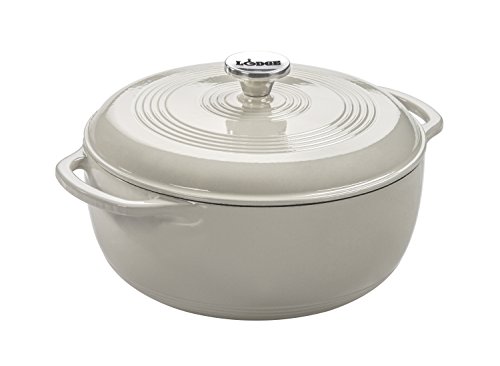
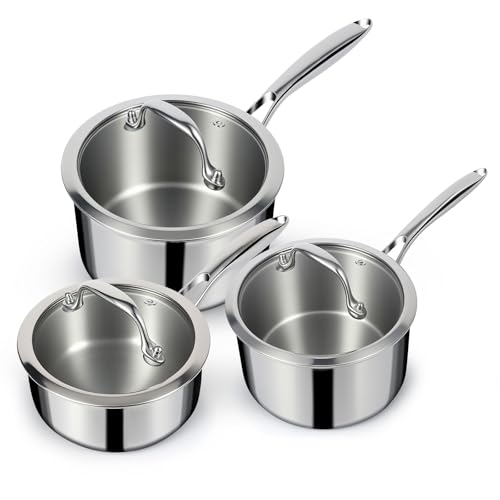
Large Pot: A large pot allows for even boiling of the potatoes, ensuring uniform cooking. Make sure it has a heavy bottom to prevent sticking. A Dutch oven can serve as a good alternative.
Mixing Bowl: A large mixing bowl is important for combining all ingredients thoroughly. Stainless steel or glass bowls are preferable for easy cleaning and durability.




Ingredients
For the Base
|
|
| Amount | Ingredient | Notes |
|---|---|---|
| 2 pounds | red potatoes | unpeeled, for added texture and color |
| 1 cup | milk | adds creaminess |
| 4 tablespoons | butter | adds richness |
| 1 teaspoon | salt | enhances flavor |
Seasonings
| Amount | Ingredient | Notes |
|---|---|---|
| 1 teaspoon | black pepper | freshly ground, for a slight kick |
| 2 cloves | garlic | minced, for depth of flavor |
Garnish
| Amount | Ingredient | Notes |
|---|---|---|
| 2 tablespoons | chives | chopped, for a fresh finish |
| 1 teaspoon | parsley | chopped, optional for garnish |


Preparation Methods
Boiling: Boiling is a straightforward technique that ensures the potatoes are cooked evenly. It is crucial for achieving the right texture in mashed potatoes. Start with cold water and bring to a boil to cook the potatoes evenly.
Mashing: Mashing is a technique that combines the ingredients while breaking down the potatoes to the desired consistency. This step is essential for creating the creamy yet chunky texture that defines this dish. Avoid over-mixing to prevent a gummy texture.
Infusing: Infusing involves adding garlic to the butter, allowing flavors to meld together. This technique adds a depth of flavor that takes the dish to the next level. Be cautious not to burn the garlic, as it can turn bitter.


Step 1: Prepare Ingredients
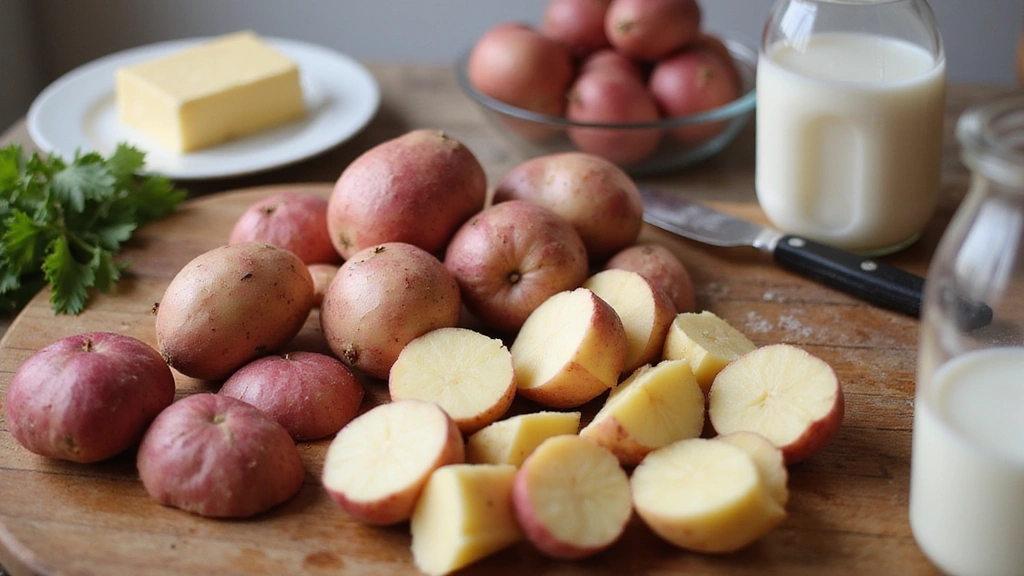
Wash the red potatoes thoroughly to remove any dirt.
Do not peel the potatoes to retain their rustic texture and color.
Cut the potatoes into even-sized chunks to ensure even cooking.
Gather all other ingredients and have them ready for use.
Step 2: Boil Potatoes
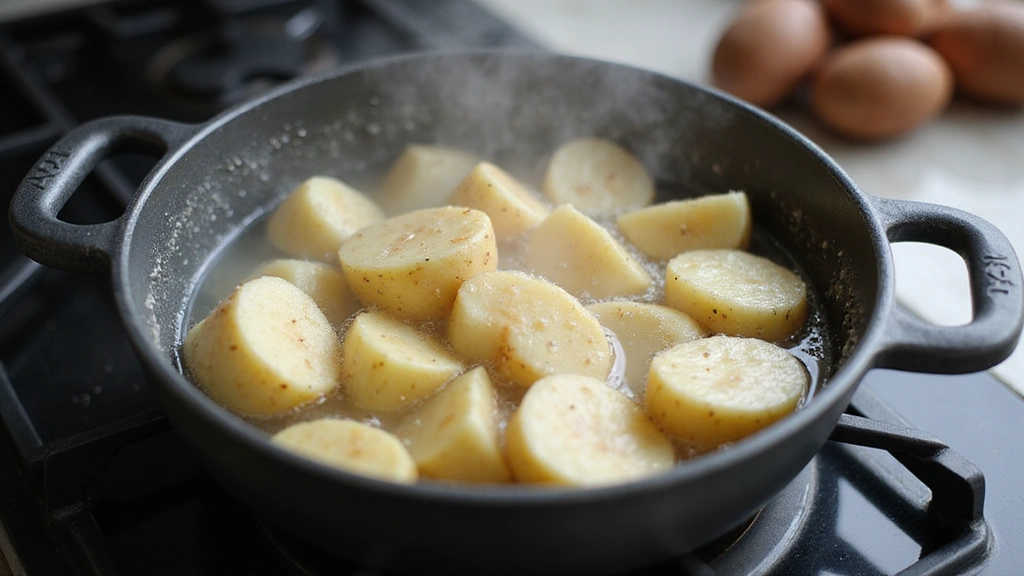
Place the potato chunks in a large pot and cover with cold water.
Add a pinch of salt to the water to enhance the flavor.
Bring the water to a boil over high heat, then reduce to a simmer.
Cook until the potatoes are tender when pierced with a fork, about 15-20 minutes.
Step 3: Drain Potatoes
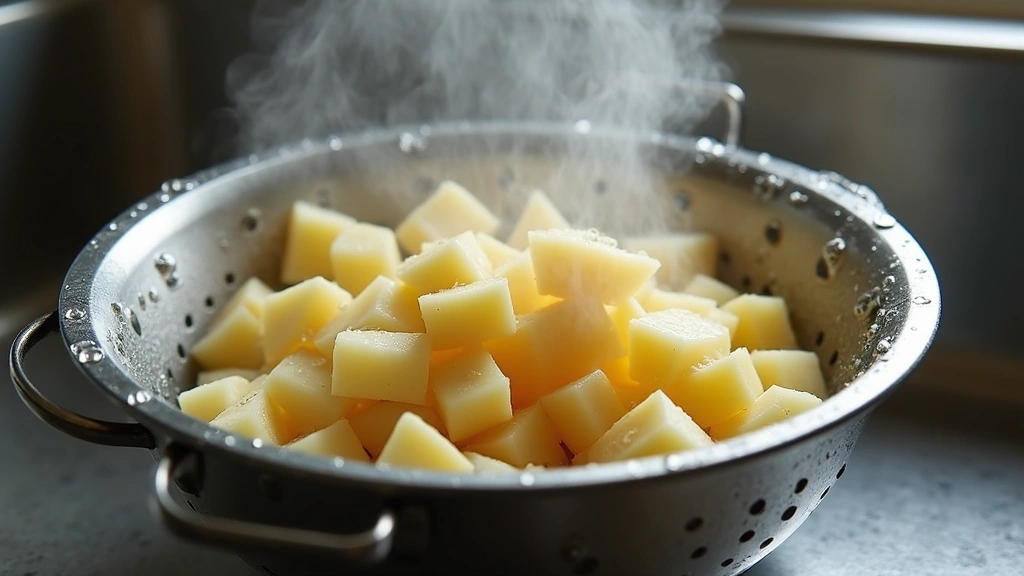
Once the potatoes are tender, remove them from heat.
Carefully drain the potatoes using a colander.
Allow any excess water to evaporate before returning them to the pot.
This step ensures the potatoes are not watery, which can affect the final texture.

Step 4: Infuse Garlic in Butter
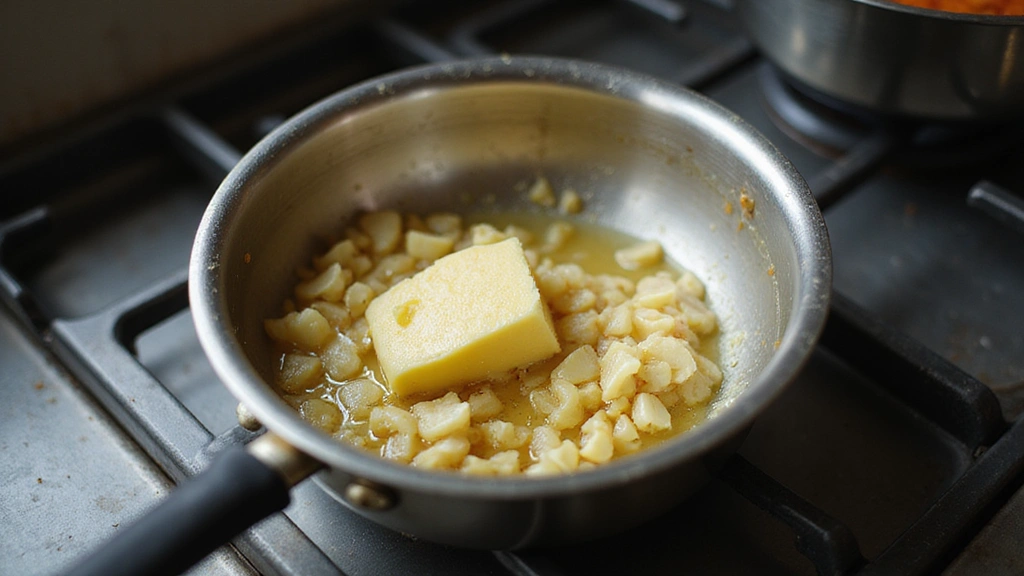
In a small saucepan, melt the butter over low heat.
Add the minced garlic to the melted butter.
Allow the garlic to infuse gently, stirring occasionally, for about 2 minutes.
Be careful not to let the garlic burn, as it should be golden and aromatic.



Step 5: Mash Potatoes
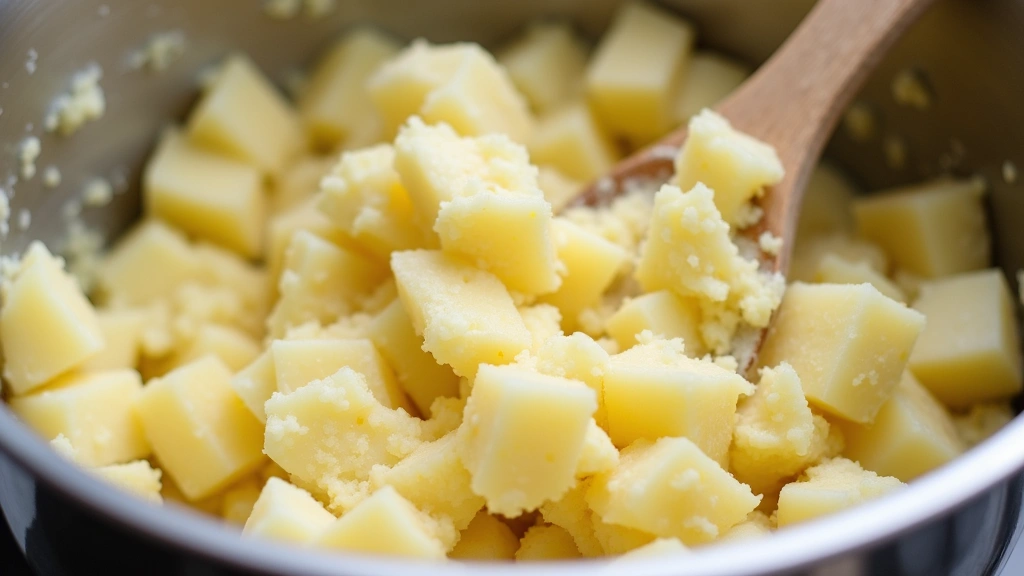
Return the drained potatoes to the pot or a large mixing bowl.
Using a potato masher, begin mashing the potatoes.
Add the infused garlic butter to the potatoes as you mash.
Continue until the potatoes reach your desired level of smoothness, with some chunks remaining for texture.

Step 6: Add Milk
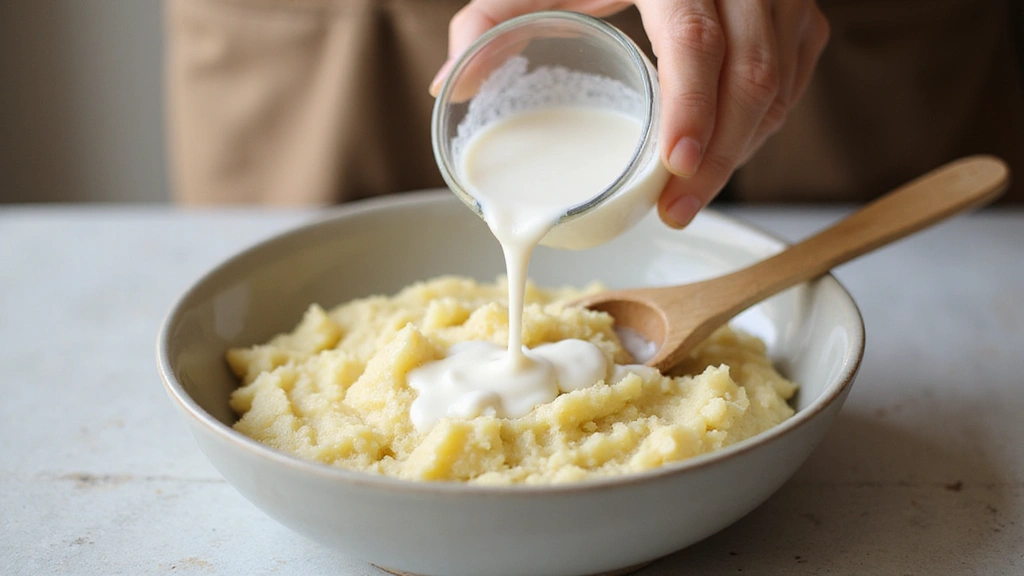
Warm the milk slightly to prevent cooling the potatoes.
Gradually pour the warm milk into the mashed potatoes.
Stir gently with a wooden spoon to incorporate the milk evenly.
Adjust the amount of milk to achieve the desired creaminess.


Step 7: Season the Potatoes
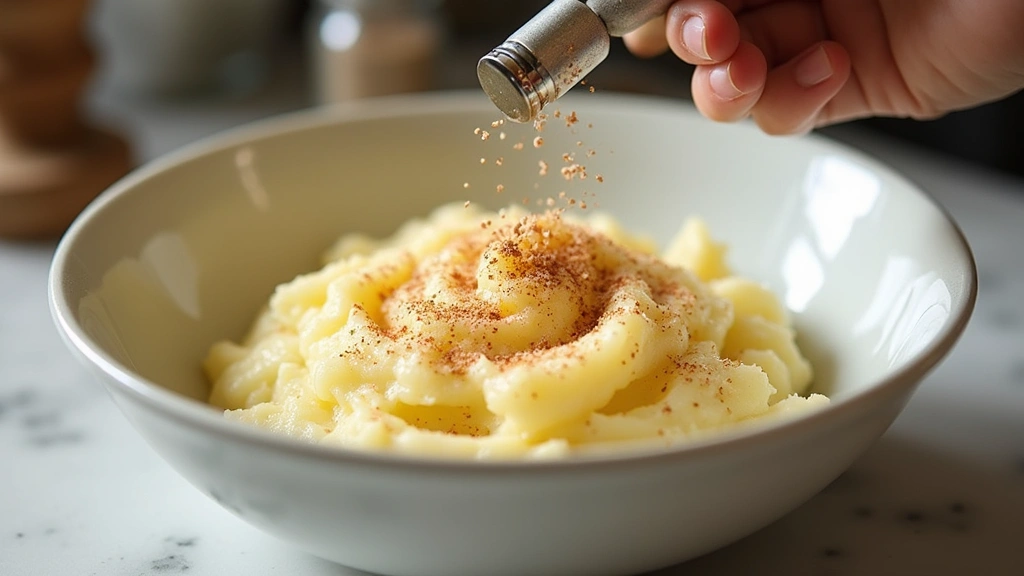
Add salt and freshly ground black pepper to the mashed potatoes.
Taste and adjust the seasoning as needed.
Incorporate the spices thoroughly to ensure even distribution.
This step enhances and balances the flavor of the dish.
Step 8: Garnish and Serve
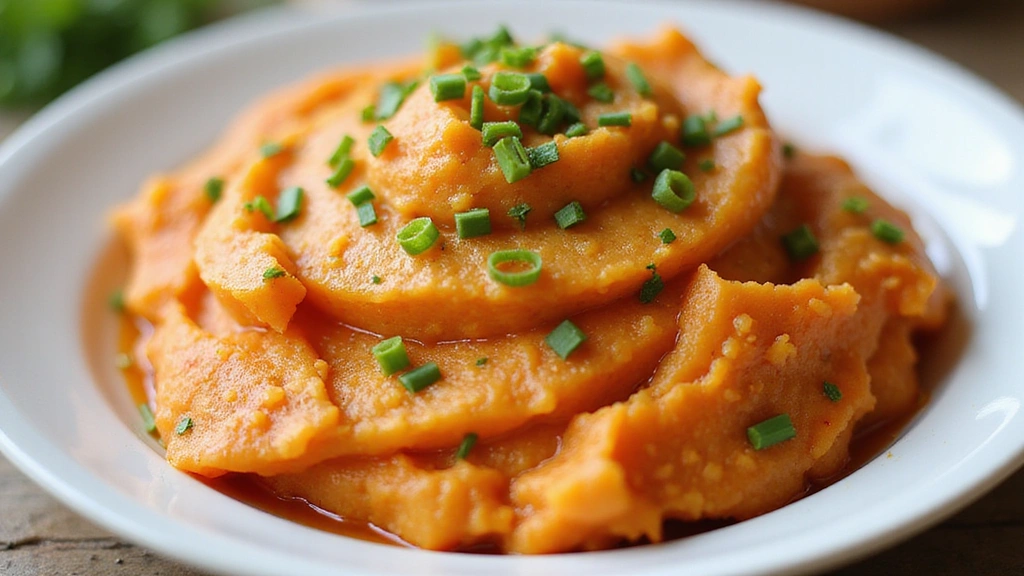
Transfer the mashed potatoes to a serving dish.
Sprinkle chopped chives and parsley over the top for garnish.
Serve immediately while warm for the best texture and flavor.
Enjoy as a side dish to complement your favorite main course.
Critical Timing and Temperature Guide
Boiling Potatoes: Boil the potatoes for 15-20 minutes until fork-tender. Overcooking can lead to waterlogged potatoes, which result in a gluey texture.
Infusing Garlic: Infuse garlic in butter over low heat for 2 minutes. Look for a golden color and aromatic scent. Burnt garlic will add bitterness.
Mashing Potatoes: Mash potatoes while they are still hot for a smoother texture. Cold potatoes can become lumpy and difficult to mash evenly.
Pro Tips for Red Mashed Potatoes
• Ingredient Selection: Choose fresh, firm red potatoes with smooth skin for the best texture and flavor.
• Preparation Secret: Leaving the skins on adds a rustic texture and enhances the dish's visual appeal.
• Temperature Management: Use warm milk and butter to keep the potatoes from cooling during preparation.
• Texture Enhancement: For a fluffier texture, avoid over-mashing the potatoes.
• Flavor Layering: Infusing garlic in butter before adding it to the potatoes builds a rich, layered flavor.
• Make-Ahead Strategies: Prepare the mashed potatoes in advance and store in an airtight container in the refrigerator. Reheat gently on the stovetop with a splash of milk to restore creaminess.
• Restaurant-Quality Finishing Touches: A sprinkle of freshly chopped chives or parsley adds a pop of color and freshness.
• Equipment Optimization: A potato masher works best for a rustic texture, while a ricer can be used for a smoother finish.
Troubleshooting Common Issues
• Texture Too Dense: This issue is often caused by over-mashing or using cold potatoes. To fix, add a bit more warm milk and gently mash until desired texture is achieved.
• Flavors Unbalanced: If the potatoes taste bland, check the seasoning. Adding a bit more salt and pepper can enhance the overall flavor.
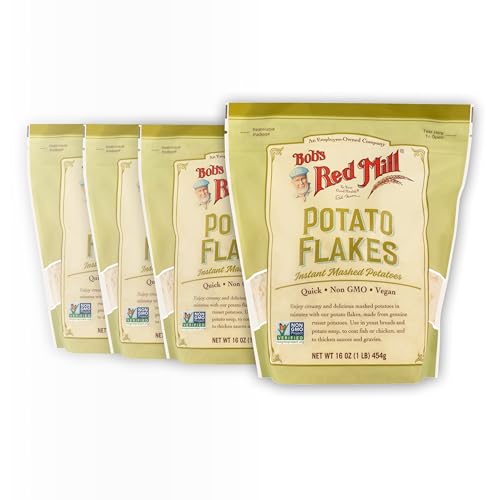
• Potatoes Too Watery: This can result from overcooking or not draining thoroughly. Allow excess moisture to evaporate before mashing, or fold in a spoonful of instant potato flakes to thicken.
• Garlic Taste Too Strong: If garlic overpowers the dish, balance it by adding more butter or cream to mellow the flavor.
• Potatoes Cooling Too Quickly: This can happen if the milk or butter is too cold. Keep all ingredients warm during mixing to maintain the temperature.
• Uneven Texture: Lumpy potatoes can result from uneven boiling or insufficient mashing. Ensure even-sized potato chunks and mash thoroughly while still hot.


Variations and Regional Differences
• Irish Colcannon: This variation includes kale or cabbage mixed into the mashed potatoes, adding a unique flavor and texture.
• French Pommes Purée: A smoother, creamier version using a ricer, with more butter and cream for a luxurious finish.
• American Loaded Mashed Potatoes: Incorporates ingredients like bacon, cheddar cheese, and sour cream for a rich, indulgent twist.
• Indian Masala Mashed Potatoes: Features spices like cumin and coriander, giving it a warm, spicy flavor profile.
Food Science Behind the Recipe
• Starch Gelatinization: The process of cooking potatoes breaks down starches, making them gelatinize, which is crucial for a creamy texture.
• Emulsion Formation: When butter is added to the potatoes, it forms an emulsion with the starches, contributing to the smooth texture.
• Flavor Compounds: Infusing garlic in butter releases volatile flavor compounds, enhancing the aroma and taste of the dish.
Frequently Asked Questions
What's the most common mistake people make when preparing Red Mashed Potatoes? Over-mashing the potatoes, which can lead to a gluey texture.
Can I use a different type of potato? Yes, but red potatoes are preferred for their waxy texture, which holds up well in mashing.
How do I store leftover mashed potatoes? Store in an airtight container in the refrigerator for up to 3 days, and reheat gently with a splash of milk.
Why do my mashed potatoes taste bland? Proper seasoning is key; don't forget to salt the boiling water and adjust seasoning after mashing.
Can I make this dish vegan? Yes, substitute plant-based milk and butter for a vegan version.
What can I add for extra flavor? Consider adding roasted garlic, herbs like rosemary, or cheeses like Parmesan.
How can I prevent lumps in my mashed potatoes? Ensure even boiling, thorough mashing, and use of warm ingredients for a smooth consistency.


Serving and Presentation Guide
• Traditional Presentation: Serve in a rustic bowl, garnished with chives and placed at the center of the dining table.
• Modern Plating: Use a ring mold to shape the mashed potatoes into a neat circle on each plate, topped with a drizzle of herb oil.
• Family-Style Serving: Present in a large serving dish, with a spoon for easy self-service, and a sprinkle of crispy bacon bits.
• Elegant Touch: Pipe the mashed potatoes using a pastry bag with a star tip for a decorative twist on individual plates.
Conclusion
Red Mashed Potatoes offer a comforting and flavorful side dish that complements any meal.
With simple ingredients and a straightforward preparation, they are easy to master for cooks of all levels.
Explore the variations and let your creativity shine in making this dish your own.
Enjoy the satisfaction of serving a classic dish with a touch of rustic elegance.