
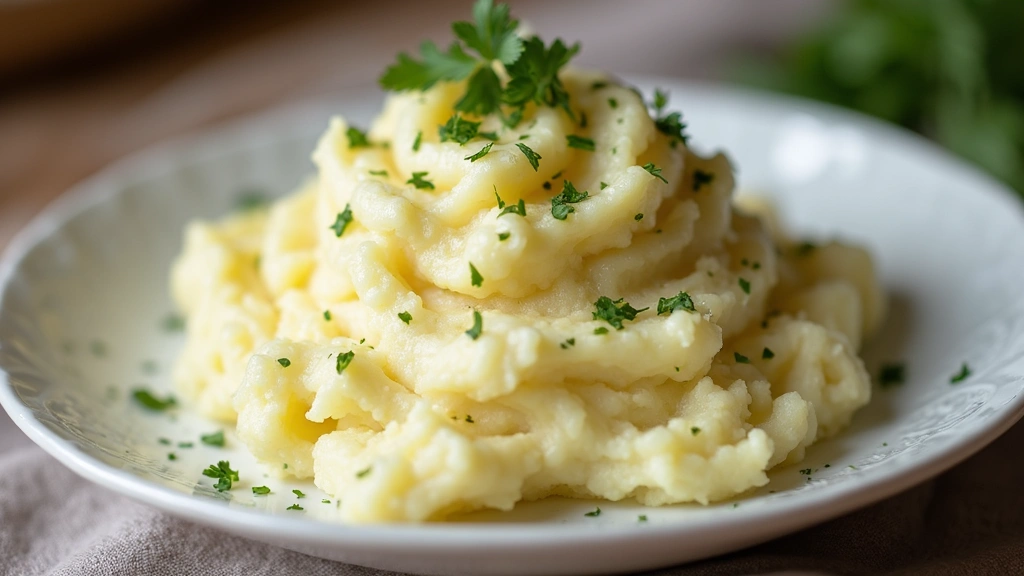
There’s something remarkably comforting about a steaming bowl of mashed potatoes, especially when enriched with the tang of buttermilk.
The creamy texture combined with the slight tartness provides an unexpected twist that elevates this classic side dish.
I first encountered buttermilk mashed potatoes at a rustic family dinner, where they were the highlight of the meal.
This dish is perfect for those chilly evenings when you’re craving something hearty yet sophisticated.
Whether served at a holiday feast or a weekday dinner, these mashed potatoes are sure to impress.
Prepare to delight your taste buds with a unique blend of flavors that is both familiar and novel.
The History and Cultural Significance
• Buttermilk Mashed Potatoes traces its origins to the southern United States, where it was originally created by home cooks seeking to use up extra buttermilk.
• The dish evolved over decades as chefs experimented with different potato varieties and buttermilk types, eventually becoming the beloved version we know today.
• In Southern culture, this dish traditionally appears at family gatherings and holiday meals, symbolizing comfort and togetherness.
• While many variations exist across different regions, the authentic version maintains the tangy creaminess that sets it apart from imitations.
Recipe Overview
Nutritional Information (per serving)
Essential Equipment Guide
Potato Masher: A potato masher is crucial for achieving the right texture in mashed potatoes, allowing you to control the consistency. Alternatives like a ricer can also be used for a smoother result. Look for a masher with a sturdy handle and wide mashing plate.
Large Pot: A large pot is essential for boiling the potatoes evenly without overcrowding. An alternative is a pressure cooker, but this might alter the texture slightly. Select a pot with a heavy base for even heat distribution.
Mixing Bowl: A sturdy mixing bowl helps in combining the ingredients thoroughly. Stainless steel bowls are preferred for their durability. Ensure it is large enough to hold all the mashed potatoes comfortably.
Ingredients
For the Base
|
|
| Amount | Ingredient | Notes |
|---|---|---|
| 2 pounds | Russet potatoes | peeled and quartered |
| 1 cup | buttermilk | adds tangy richness |
| 4 tablespoons | unsalted butter | adds creaminess |
Seasonings
| Amount | Ingredient | Notes |
|---|---|---|
| 1 teaspoon | salt | enhances flavor |
| 1/2 teaspoon | black pepper | adds depth |
| 1 tablespoon | fresh chives | chopped, for garnish |


Preparation Methods
Boiling the Potatoes: Ensuring potatoes are boiled to the right softness is key to achieving a smooth mash. Start with cold water and bring to a boil for even cooking. Test doneness with a fork; they should be tender but not falling apart.
Incorporating Buttermilk: Gradually adding buttermilk while mashing helps control the consistency. It should be slightly warmed to prevent cooling the potatoes too quickly. Stir gently to avoid overworking the starch.
Butter Integration: Fold in softened butter towards the end of mashing for a rich flavor. This technique helps create a silky texture as the butter emulsifies with the buttermilk.




Step 1: Prepare Ingredients
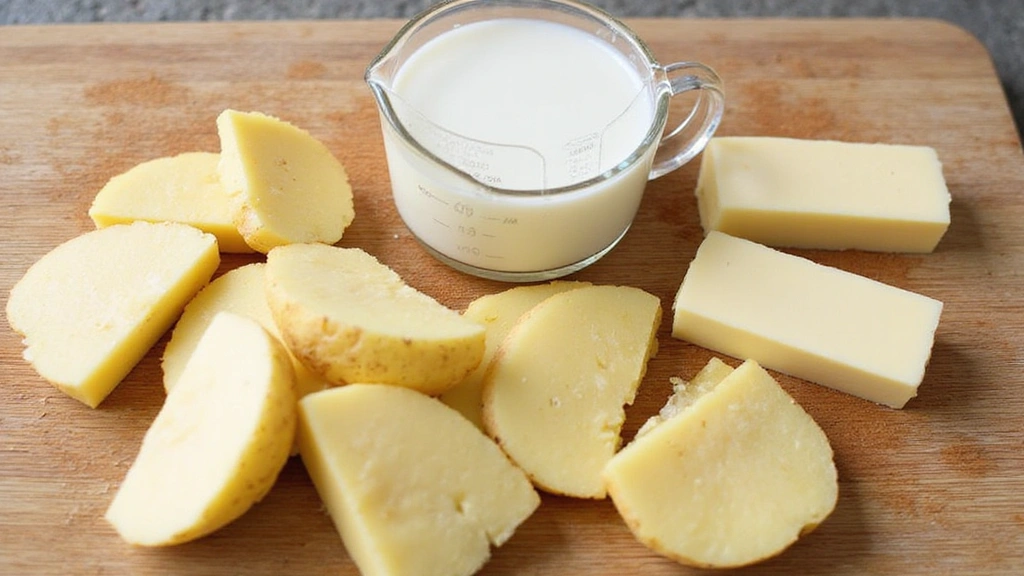
Peel and quarter the Russet potatoes.
Measure out one cup of buttermilk and four tablespoons of unsalted butter.
Chop fresh chives for garnish and set aside.
Gather salt and black pepper for seasoning.
Step 2: Boil the Potatoes
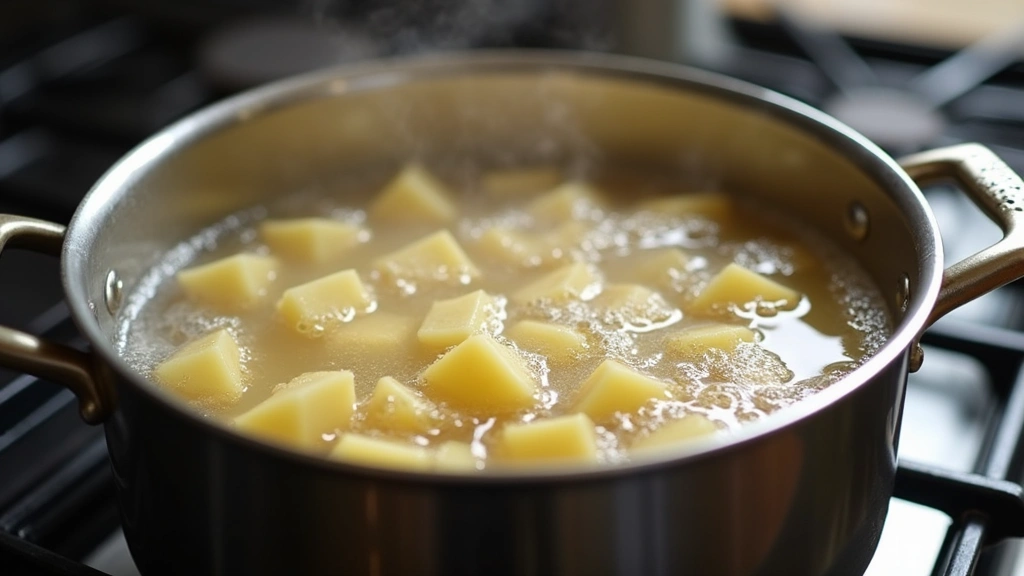
Place the potatoes in a large pot and cover with cold water.
Add a pinch of salt to the water for flavor.
Bring to a boil over medium-high heat, then reduce to a simmer.
Cook until the potatoes are tender, about 15 minutes.
Step 3: Drain and Dry the Potatoes
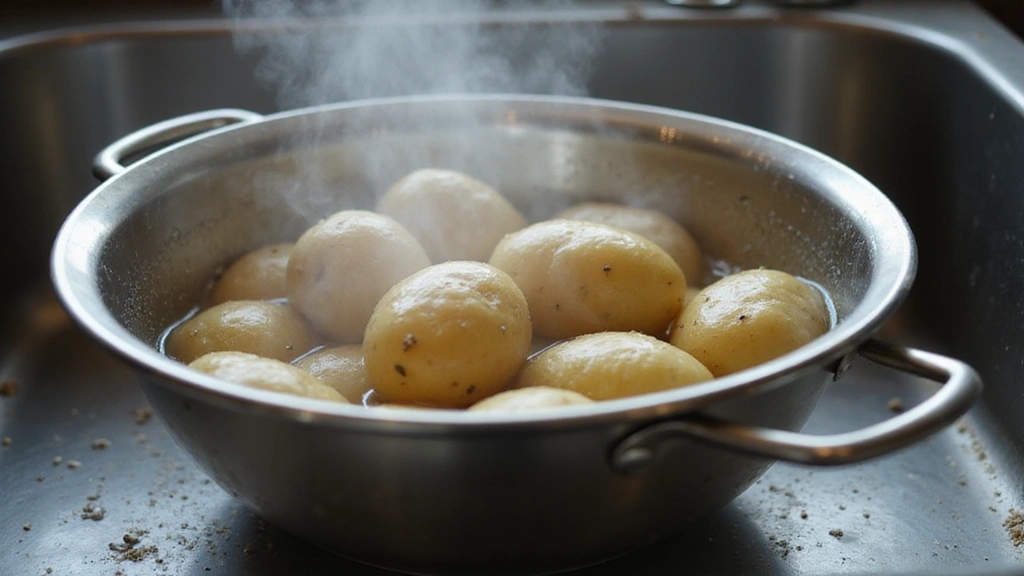
Drain the potatoes in a colander, shaking off excess water.
Return them to the warm pot to dry off residual moisture.
Allow them to steam in the pot for a minute or two.
This step ensures a fluffier texture by removing excess moisture.
Step 4: Mash the Potatoes
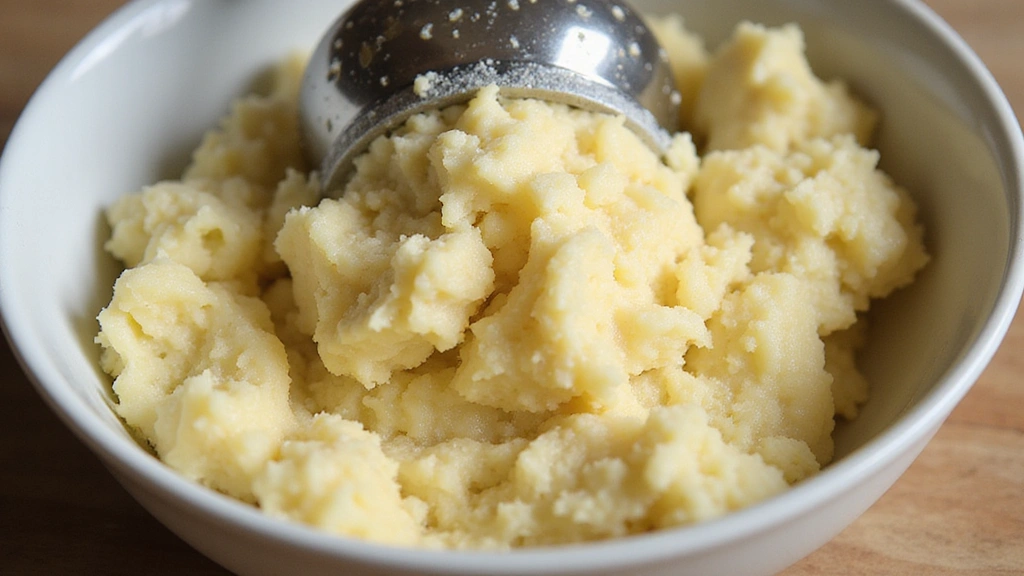
Transfer the potatoes to a mixing bowl.
Use a potato masher to begin mashing them.
Aim for a coarse texture initially before adding other ingredients.
This creates a base that absorbs liquids evenly.


Step 5: Warm the Buttermilk
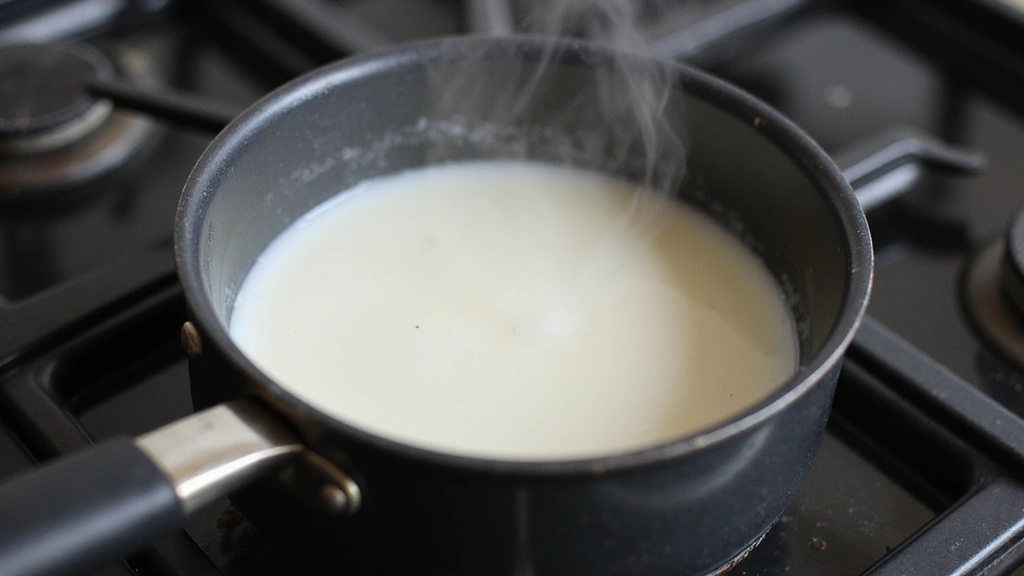
Gently warm the buttermilk in a small saucepan over low heat.
Stir occasionally to prevent scalding.
Ensure it is warm but not hot to avoid curdling.
This step helps in smooth incorporation into the potatoes.


Step 6: Combine Buttermilk and Potatoes
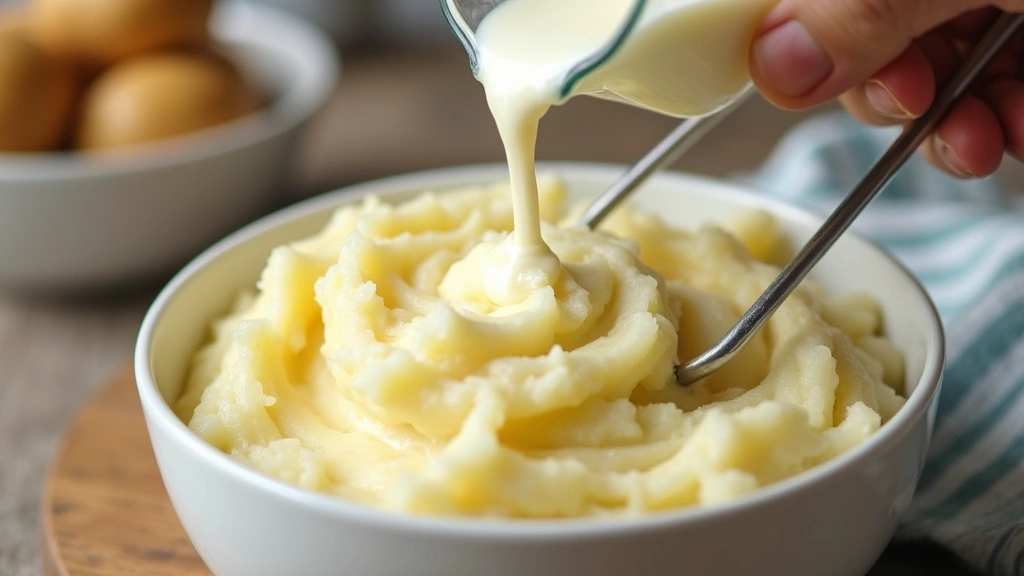
Gradually add warm buttermilk to the mashed potatoes.
Mash continuously to incorporate the liquid evenly.
Check the consistency as you pour, stopping when desired texture is achieved.
This ensures a smooth, creamy result.


Step 7: Integrate the Butter
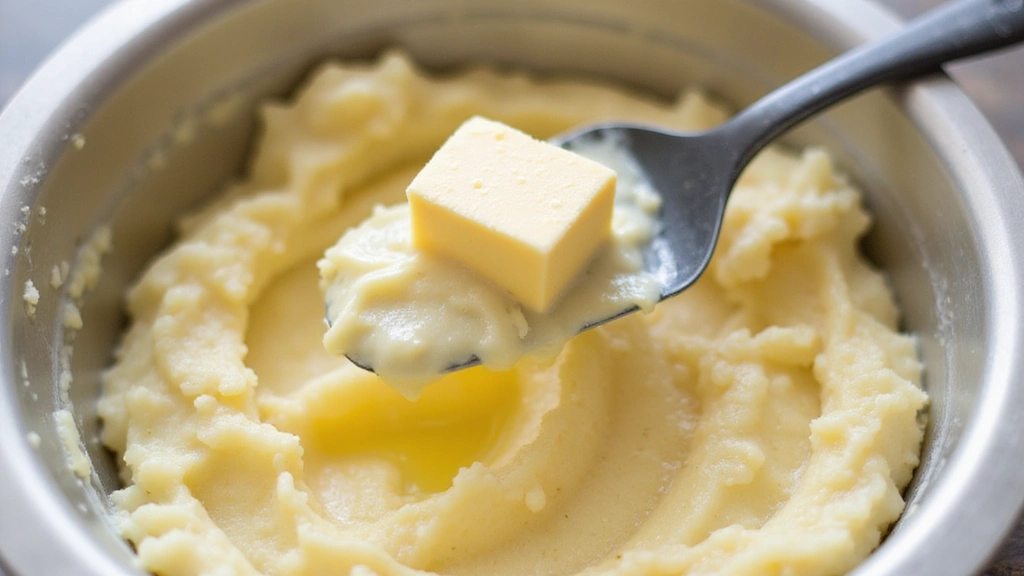
Add softened butter to the mashed potato mixture.
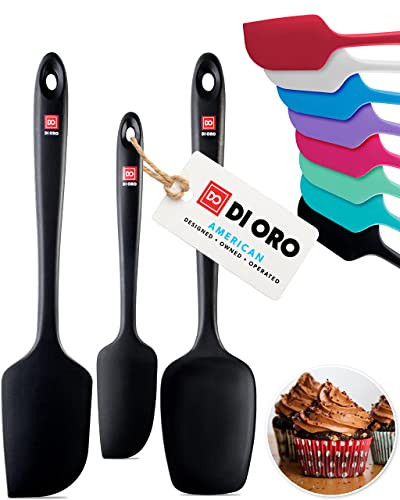
Fold gently with a spatula to combine thoroughly.
The butter should melt and blend smoothly into the potatoes.
This step enhances the richness and flavor.


Step 8: Season and Serve
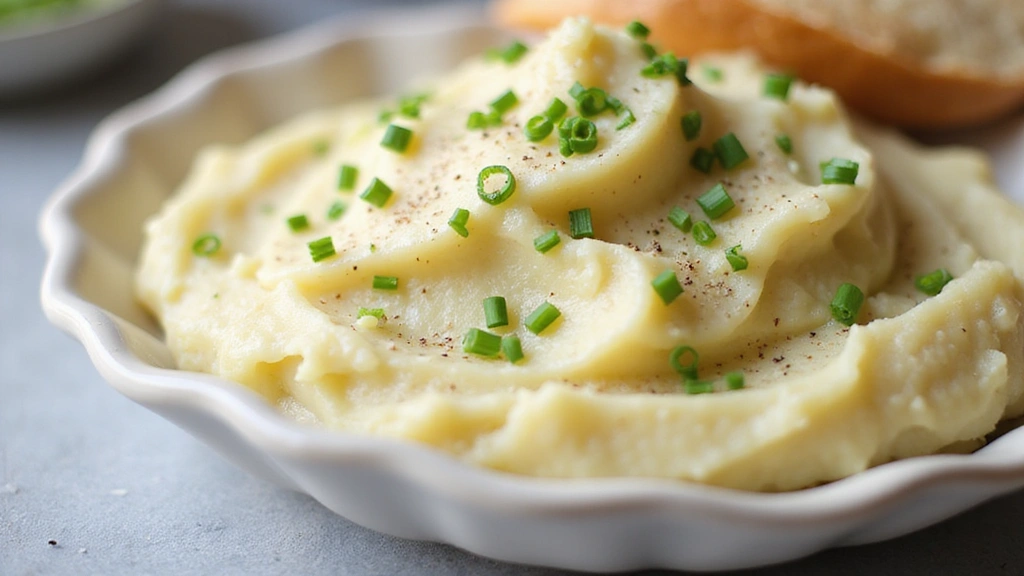
Season the mashed potatoes with salt and black pepper to taste.
Transfer to a serving dish, smoothing the surface.
Garnish with freshly chopped chives for color and flavor.
Serve immediately while hot for best taste.
Critical Timing and Temperature Guide
Boiling Potatoes: Boil for 15 minutes until fork-tender. Avoid overcooking, which can make them waterlogged.
Buttermilk Warming: Warm over low heat, ensuring it doesn't boil to prevent curdling. Look for gentle steam as an indicator.
Butter Integration: Fold in at room temperature or slightly warm for smooth emulsification. Cold butter can clump and not integrate properly.
Pro Tips for Buttermilk Mashed Potatoes
• Ingredient Selection: Use Russet potatoes for their high starch content, which yields a fluffier mash.
• Preparation Secret: Let the potatoes dry in the pot after draining to eliminate excess moisture for a better texture.
• Temperature Management: Ensure all ingredients are at a similar temperature to blend seamlessly without cooling the mixture.
• Texture Enhancement: Use a ricer for ultra-smooth potatoes, especially if you prefer a silkier consistency.
• Flavor Layering: Add roasted garlic or caramelized onions for an additional depth of flavor.
• Make-Ahead Strategies: Prepare the mashed potatoes a day in advance, then reheat gently in the oven with additional butter.
• Restaurant-Quality Finishing Touches: Top with a drizzle of truffle oil or a sprinkle of smoked paprika for an elegant presentation.
• Equipment Optimization: If using a mixer, avoid overmixing as it can lead to gummy potatoes.
Troubleshooting Common Issues
• Texture Too Dense: Caused by overworking the potatoes. Use a ricer or masher gently and add more buttermilk to lighten.
• Flavors Unbalanced: Too much tang can occur if buttermilk is overused. Balance with extra butter or a pinch of sugar.
• Potatoes Too Lumpy: Insufficient mashing or uneven boiling. Ensure potatoes are fully tender and mash thoroughly.
• Potatoes Too Watery: Overboiling can saturate the potatoes. Drain well and let steam dry before mashing.
• Lack of Flavor: Under-seasoning is common. Taste frequently and adjust salt and pepper levels as needed.
Variations and Regional Differences
• Irish Colcannon: Includes cabbage or kale mixed into the potatoes, reflecting Irish culinary traditions.
• Garlic Mashed Potatoes: Features roasted garlic blended into the mash, offering a sweet, nutty flavor.
• French Purée de Pommes de Terre: Uses cream and butter for a richer, silkier version typical in French cuisine.
• Indian Aloo Bharta: Incorporates mustard oil, cumin, and green chilies for a spicy, aromatic twist.
Food Science Behind the Recipe
• Starch Gelatinization: Cooking potatoes causes starch granules to swell and gelatinize, contributing to the fluffy texture.
• Emulsion Formation: Butter and buttermilk combine to form a stable emulsion, giving the mash its creamy consistency.
• Acid's Role: Buttermilk's acidity helps break down potato starches, enhancing smoothness and tanginess.
Frequently Asked Questions
What's the most common mistake people make when preparing Buttermilk Mashed Potatoes? Overworking the potatoes, which can result in a gluey texture, is the most common mistake.
Can I substitute regular milk for buttermilk? Yes, but the tangy flavor will be less pronounced; consider adding a splash of lemon juice.
How can I make this dish vegan? Use plant-based butter and a non-dairy milk like almond milk with a bit of lemon juice for acidity.
How do I store leftovers? Keep in an airtight container in the refrigerator for up to three days.
Can I freeze Buttermilk Mashed Potatoes? Yes, freeze in a sealed container for up to one month and thaw in the refrigerator before reheating.
What's the best way to reheat mashed potatoes? Gently reheat in a saucepan over low heat, adding a bit more butter or milk to restore creaminess.
Why did my potatoes turn out lumpy? Potatoes may not have been boiled long enough or mashed thoroughly.

Serving and Presentation Guide
• Traditional Presentation: Serve in a large, warmed bowl with a sprinkling of fresh chives and a pat of melting butter on top.
• Elegant Buffet Style: Pipe into individual serving dishes using a pastry bag for a refined appearance.
• Family Style: Place in a rustic serving dish for a homey, comforting look, ideal for family gatherings.
• Holiday Spread: Decorate with edible flowers or herbs for a festive touch that complements other holiday dishes.


Conclusion
With this recipe, you'll master the art of creating Buttermilk Mashed Potatoes that are both tangy and smooth.
Each bite offers a perfect balance of flavors, making it the ideal accompaniment to any meal.
Take the time to try this recipe, and it will surely become a staple in your culinary repertoire.