
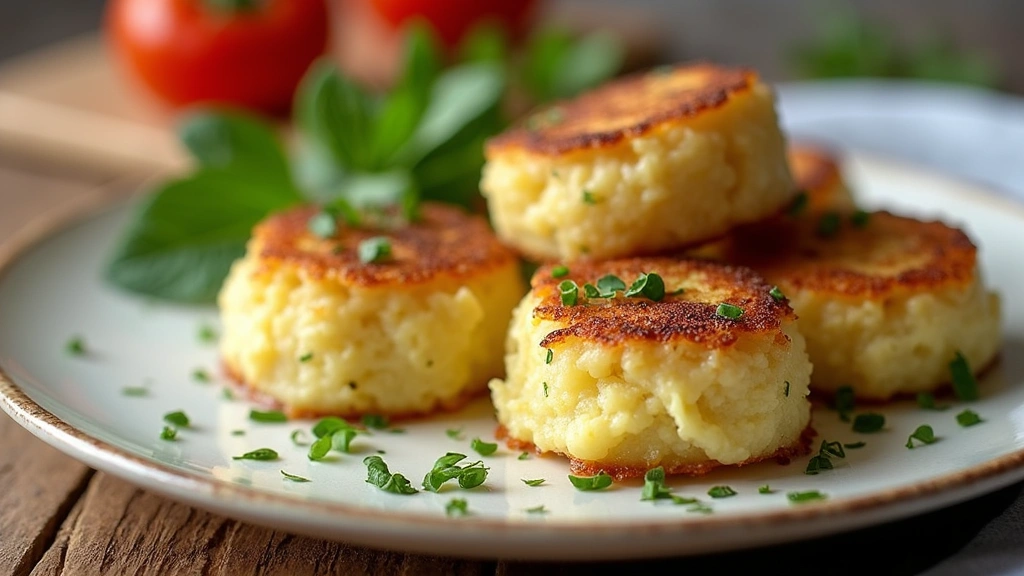
These Mashed Potato Cakes bring together the comfort of classic mashed potatoes with the delightful texture of a crispy cake.
The savory, golden-brown crust gives way to a soft and flavorful interior that melts in your mouth.
I first stumbled upon this recipe during a chilly fall evening, perfectly complementing the season’s rustic flavors.
Whether served as a side or a main dish, these cakes are sure to impress with their simple elegance.
The combination of herbs and spices in the recipe elevates the humble potato to a gourmet level.
Perfect for cozy family dinners or as a unique addition to your holiday table.
The History and Cultural Significance
• Mashed Potato Cakes trace their origins to Ireland, where they were originally created by resourceful cooks looking to use leftover potatoes.
• The dish evolved over decades as different regions added their own spices and herbs, eventually becoming the beloved version we know today.
• In Irish culture, this dish traditionally appears at family gatherings, symbolizing warmth and togetherness.
• While many variations exist across different regions, the authentic version maintains a crispy exterior that sets it apart from imitations.



Recipe Overview
Nutritional Information

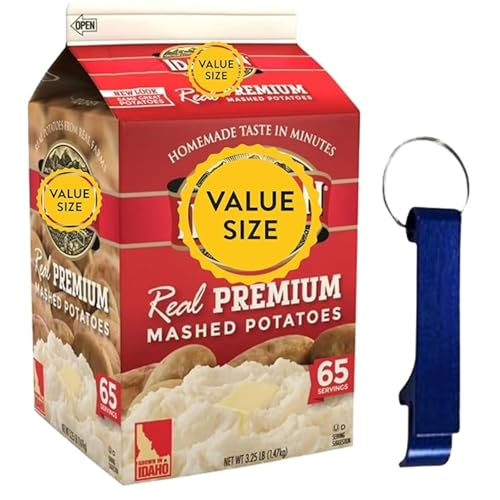


Essential Equipment Guide
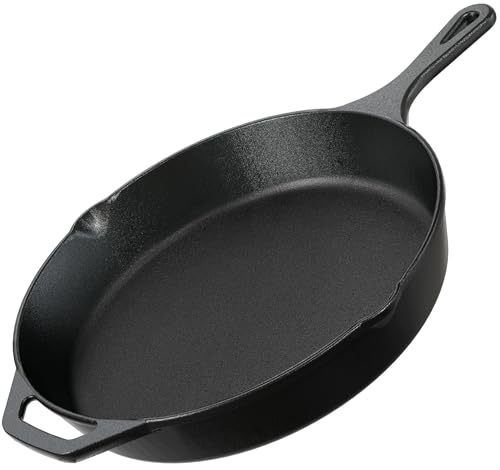
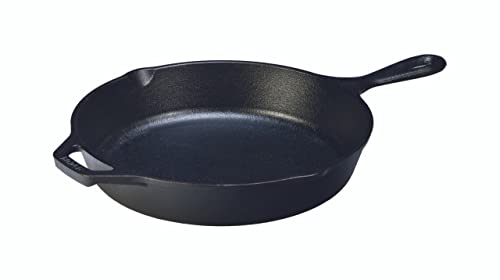
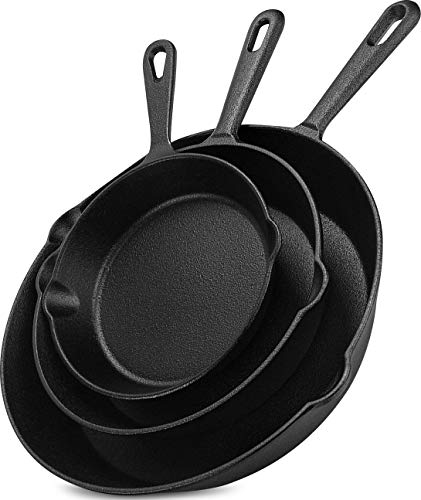
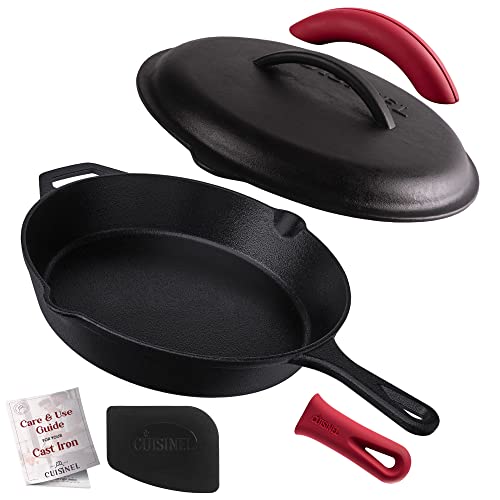
Non-stick skillet: A non-stick skillet is crucial for achieving the perfect crispiness on the outside of the cakes without sticking. Cast iron or stainless steel can be used if carefully monitored.
Potato masher: Using a potato masher ensures a smooth yet slightly chunky texture necessary for the cakes. A fork can be used as an alternative, but it requires more effort.
Mixing bowl: A large mixing bowl is essential to combine all ingredients thoroughly. Ensure it has enough space for easy mixing and folding.


Ingredients
For the Base
|
|
| Amount | Ingredient | Notes |
|---|---|---|
| 2 cups | mashed potatoes | leftover or freshly made |
| 1 large | egg | beaten, acts as a binder |
Seasonings
| Amount | Ingredient | Notes |
|---|---|---|
| 1 teaspoon | salt | enhances flavor |
| 1/2 teaspoon | black pepper | adds subtle heat |
| 1 tablespoon | chopped chives | for freshness |
| 1 tablespoon | parsley | adds color and flavor |
Coating
| Amount | Ingredient | Notes |
|---|---|---|
| 1/2 cup | breadcrumbs | for a crispy coating |
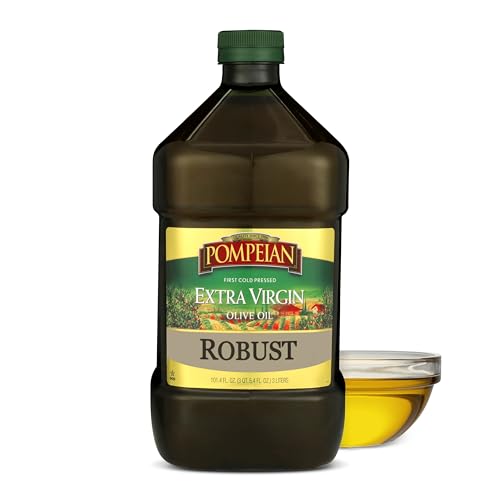
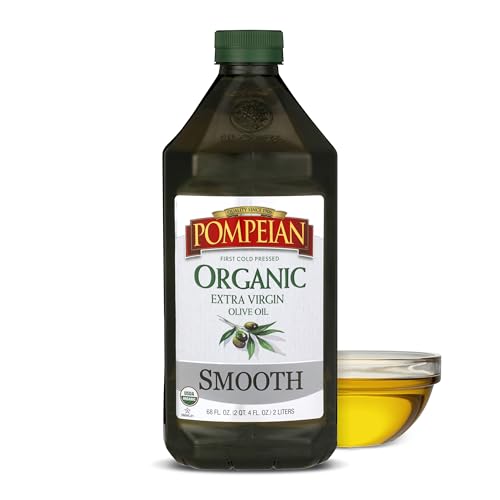
| 2 tablespoons | olive oil | for frying |


Preparation Methods
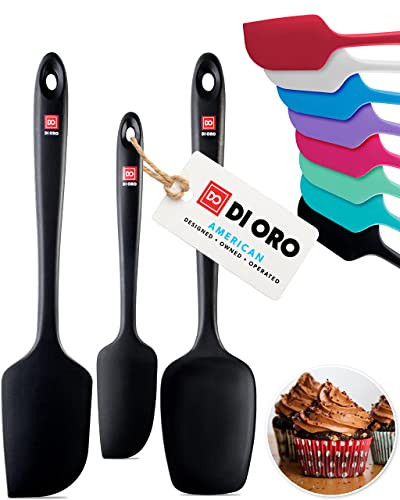
Mixing Technique: Ensure even distribution of ingredients by gently folding the mixture with a spatula. This helps maintain the texture of the mashed potatoes while evenly incorporating the seasonings.
Shaping the Cakes: Use your hands to form the mixture into uniform patties. This ensures even cooking and a consistent presentation.
Frying Technique: Fry the cakes in a preheated skillet over medium heat to achieve a golden crust without burning. Flip gently to prevent breaking.


Step 1: Prepare Ingredients
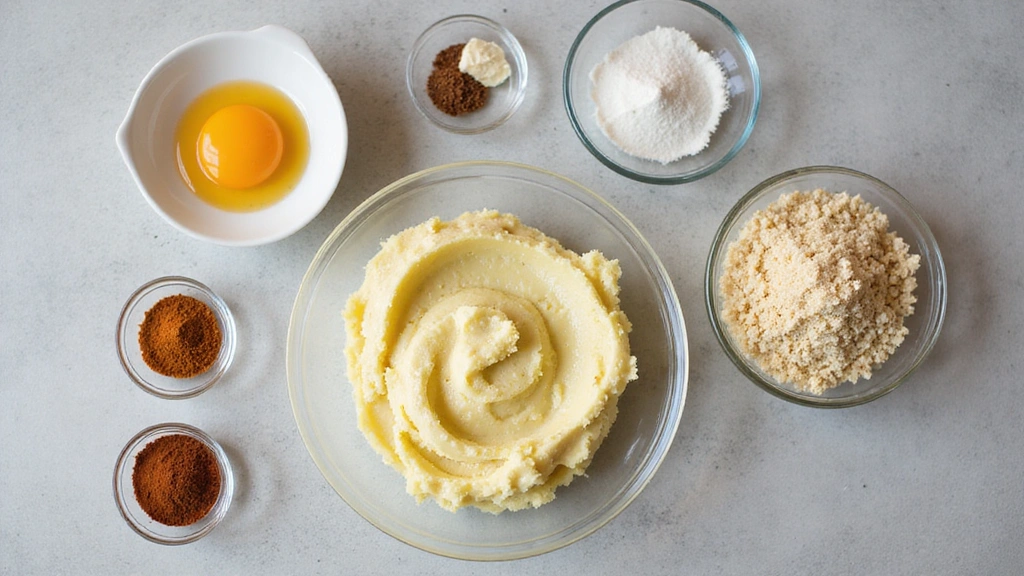
Gather all ingredients and equipment.
Ensure mashed potatoes are at room temperature for easy mixing.
Measure and have spices and seasonings ready.
Set up your workstation for efficient preparation.


Step 2: Mix Ingredients
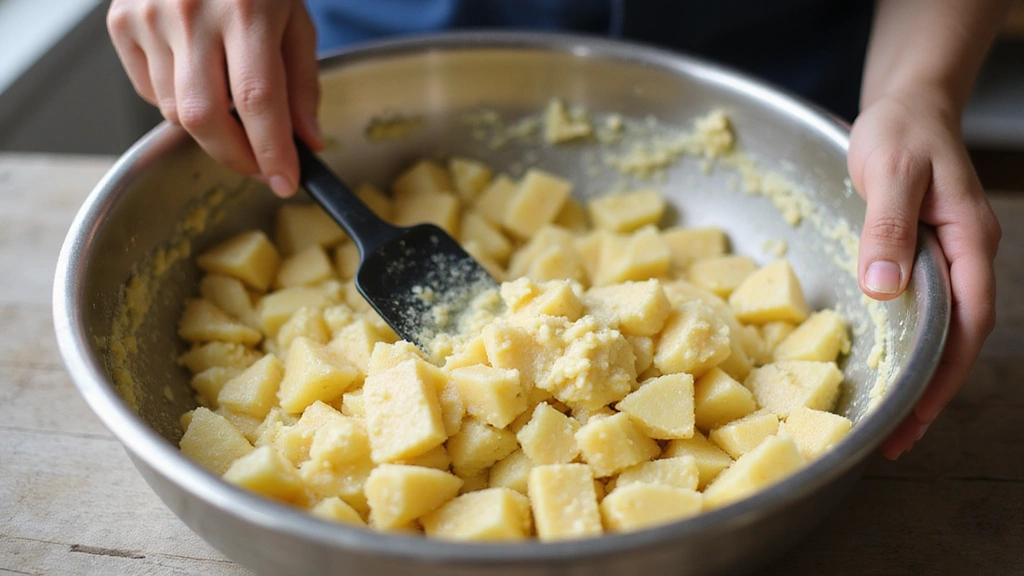
In a large mixing bowl, combine mashed potatoes, beaten egg, salt, pepper, chives, and parsley.
Use a spatula to fold the ingredients together gently.
Ensure the mixture is well combined but not overworked.
The mixture should hold together when pressed between your fingers.


Step 3: Shape the Cakes
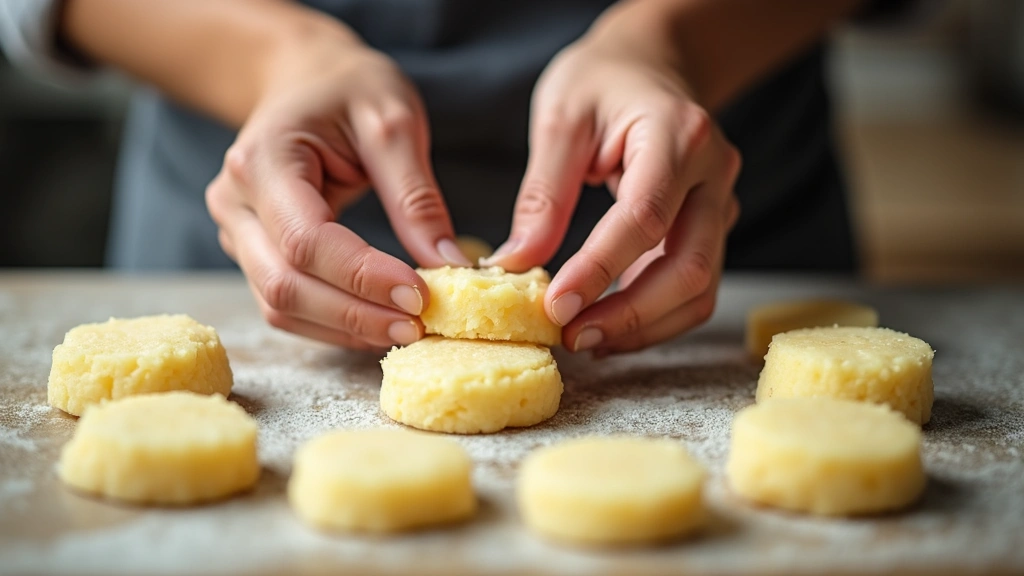
Divide the potato mixture into equal portions.
Using your hands, shape each portion into a patty about 1 inch thick.
Ensure the edges are smooth to prevent crumbling during frying.
Place each formed patty on a plate lined with parchment paper.
Step 4: Coat with Breadcrumbs
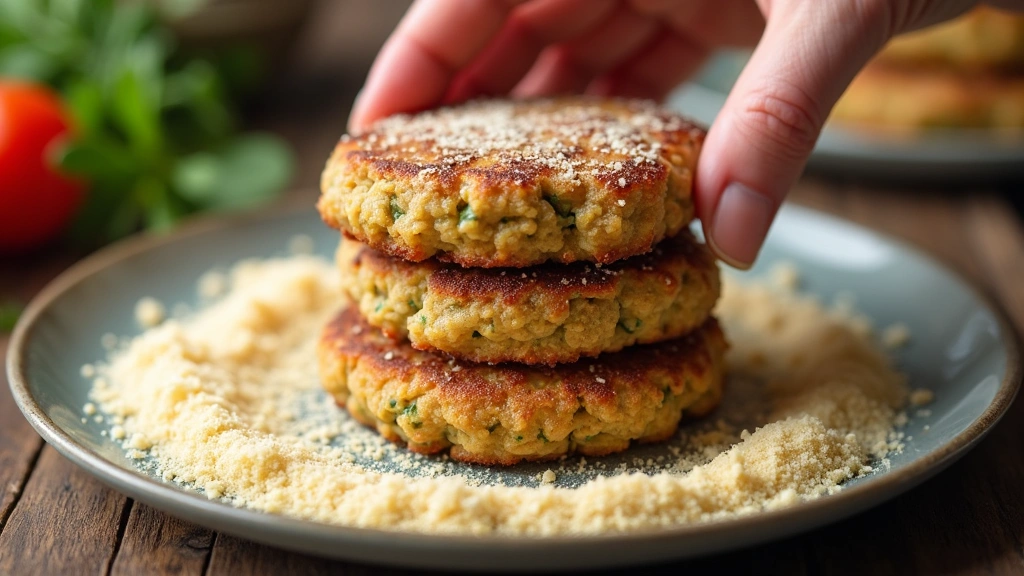
Pour breadcrumbs onto a shallow plate.
Gently press each patty into the breadcrumbs to coat evenly.
Ensure both sides are well covered for a uniform crisp.
Place coated patties back on the parchment-lined plate.
Step 5: Preheat the Skillet
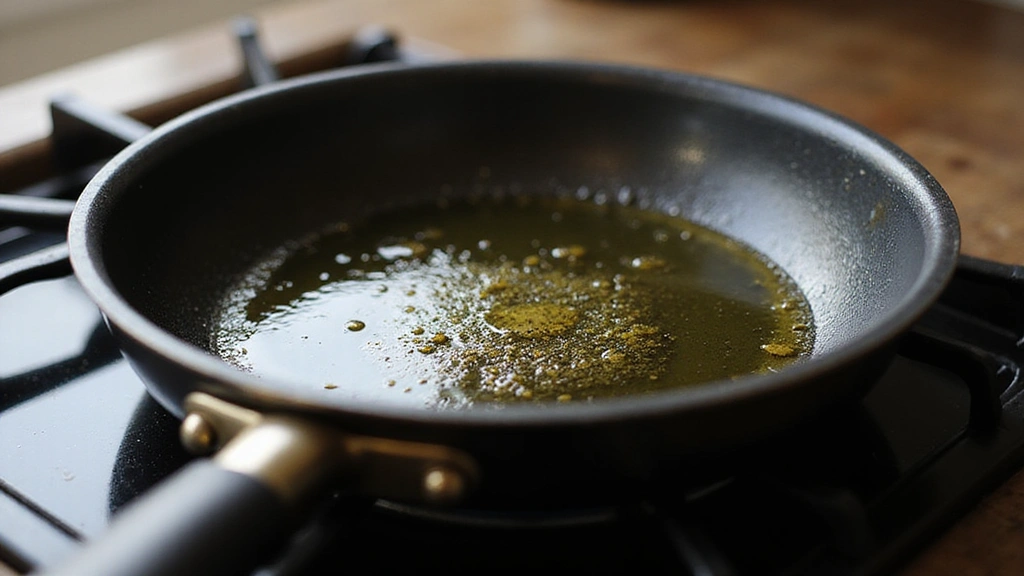
Place a non-stick skillet on the stove over medium heat.
Add olive oil and allow it to heat until shimmering.
Check the temperature with a small breadcrumb; it should sizzle immediately.
Adjust heat as necessary to maintain even cooking.


Step 6: Fry the Cakes
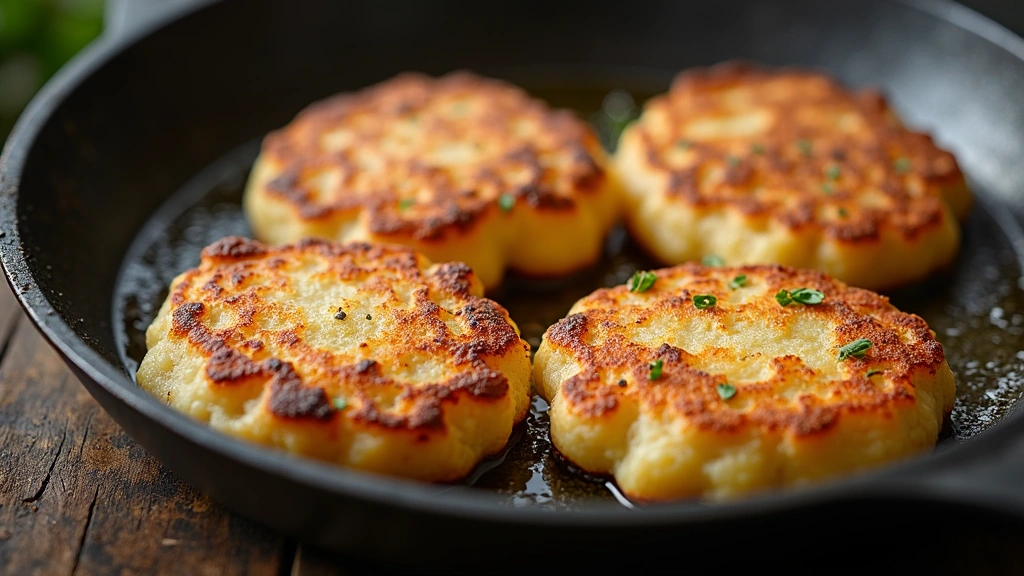
Gently place a few potato cakes into the hot skillet.
Cook for 3-4 minutes on each side until golden brown.
Avoid overcrowding to ensure even cooking.
Carefully flip each cake using a spatula to prevent breaking.


Step 7: Drain and Cool
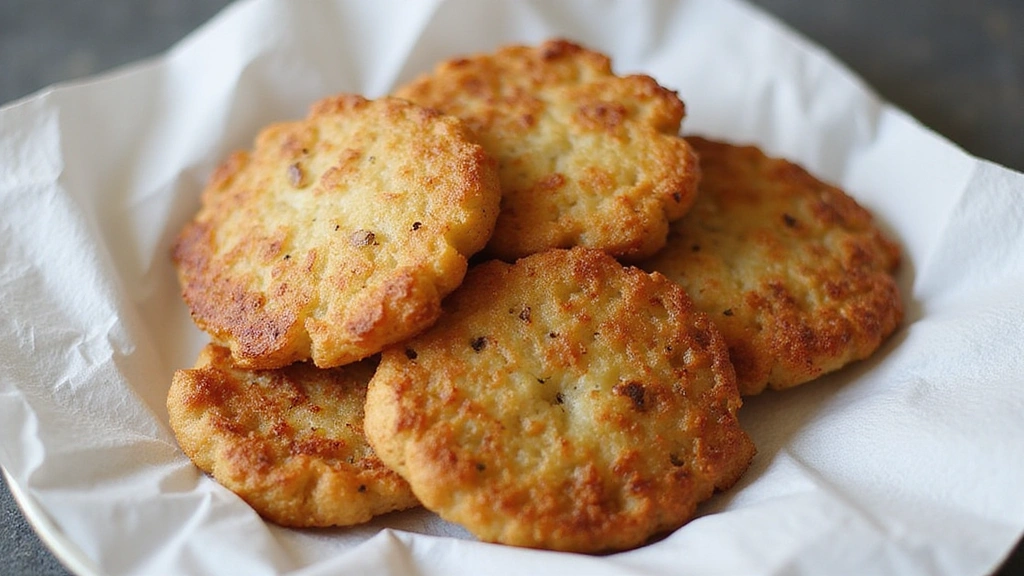
Remove cakes from the skillet and place them on a paper towel-lined plate.
Allow excess oil to drain off for a less greasy finish.
Let the cakes cool slightly before serving.
This helps the texture firm up for better handling.
Step 8: Garnish and Serve
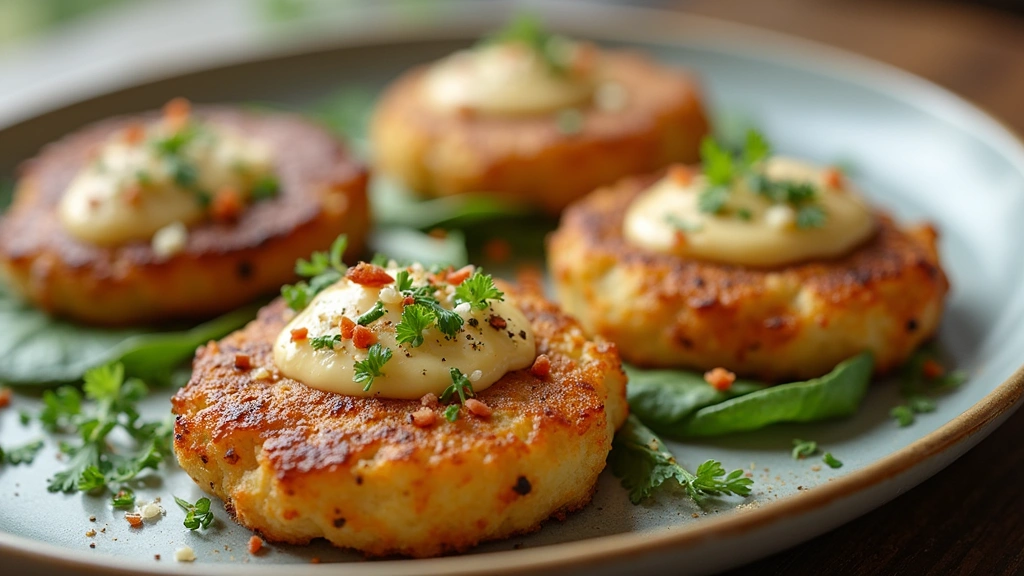
Transfer the cakes to a serving platter.
Garnish with additional chopped chives and parsley for color.
Serve warm as a side dish or main course.
Enjoy the crispy, flavorful delight of homemade mashed potato cakes.
Critical Timing and Temperature Guide
Preheating the Skillet: Heat the skillet to medium before adding the oil, ensuring the oil reaches a shimmering state. This prevents sticking and ensures even browning. Avoid overheating, which can lead to burning.
Frying the Cakes: Maintain medium heat to achieve a golden crust in 3-4 minutes per side. Overcrowding the pan can lower the temperature, leading to uneven cooking.
Resting the Cakes: Allow cakes to rest on a paper towel for 2-3 minutes to drain excess oil and set the texture. Skipping this step can result in soggy cakes.
Pro Tips for Mashed Potato Cakes
• Ingredient Selection: Use starchy potatoes like Russets for the best texture; they absorb flavors well and provide a creamy interior.
• Preparation Secret: Allow mashed potatoes to cool completely before forming cakes to help them hold shape better.
• Temperature Management: Ensure oil is hot enough before frying to prevent cakes from absorbing too much oil.
• Texture Enhancement: For a fluffier interior, whip the mashed potatoes slightly before mixing in other ingredients.
• Flavor Layering: Add a pinch of nutmeg or garlic powder for an extra depth of flavor.
• Make-Ahead Strategies: Prepare the patties in advance and freeze them. Fry directly from frozen, adjusting cooking time slightly.
• Restaurant-Quality Finishing Touches: Serve with a dollop of sour cream or a sprinkle of grated cheese for added indulgence.
• Equipment Optimization: If using a cast-iron skillet, preheat it well to ensure even heat distribution for the perfect crust.

Troubleshooting Common Issues
• Texture Too Dense: Overmixing the potato mixture can lead to dense cakes. Mix until just combined and handle gently.
• Cakes Fall Apart: Ensure the potato mixture is not too wet. Adding an extra egg or more breadcrumbs can help bind the mixture.
• Lack of Crispiness: If the oil is not hot enough, the cakes will not crisp up properly. Test the oil temperature before frying.
• Uneven Browning: Ensure cakes are of uniform size for even cooking. Adjust heat as needed to prevent burning.
• Flavors Unbalanced: Taste the potato mixture before forming cakes and adjust seasonings as necessary.
• Greasy Finish: Drain cakes on paper towels immediately after frying to remove excess oil.
Variations and Regional Differences
• Irish Style: Uses leftover colcannon (mashed potatoes with cabbage) for a heartier, more traditional version.
• American Southern Style: Includes chopped scallions and cheese in the mixture, often served with a spicy dipping sauce.
• Indian Aloo Tikki: Incorporates spices like cumin and coriander, served with chutney for a flavorful twist.
• German Kartoffelpuffer: Similar to potato pancakes, these are thinner and include onions, often served with applesauce.


Food Science Behind the Recipe
• Starch Gelatinization: Understanding how starches in potatoes absorb water helps achieve the desired creamy interior.
• Maillard Reaction: This chemical reaction between amino acids and reducing sugars gives the cakes their golden-brown crust.
• Emulsification: The egg acts as an emulsifier, helping bind the potato mixture and maintain structure during cooking.
Frequently Asked Questions
What's the most common mistake people make when preparing Mashed Potato Cakes? Overmixing the potato mixture, which can lead to dense cakes.
Can I use instant mashed potatoes? While possible, fresh mashed potatoes provide better texture and flavor.
How do I store leftover potato cakes? Store in an airtight container in the refrigerator for up to 3 days or freeze for up to 3 months.
What can I serve with mashed potato cakes? They pair well with a side salad, roasted vegetables, or as a side to grilled meats.
How can I make them gluten-free? Use gluten-free breadcrumbs or crushed rice crackers for the coating.
Why do my cakes always stick to the pan? Ensure the skillet and oil are adequately heated before adding the cakes.
Can I bake these instead of frying? Yes, bake at 400°F (200°C) for 20-25 minutes, flipping halfway through for even browning.
Serving and Presentation Guide
• Traditional Presentation: Serve on a rustic wooden platter garnished with fresh herbs.
• Modern Twist: Stack the cakes in a tower, drizzled with a creamy herb sauce.
• Family-Style Serving: Place on a large serving dish with a variety of dipping sauces in small bowls.
• Individual Plates: Serve each guest two cakes on a small plate with a side of mixed greens.
Conclusion
With their crispy exterior and soft, flavorful interior, these Mashed Potato Cakes are a delightful addition to any meal.
Their versatility and ease of preparation make them a go-to recipe for any occasion.
Try this recipe today and enjoy the comforting taste of homemade goodness in every bite.