


There’s nothing quite like a warm, creamy Mashed Potato Casserole to bring comfort to the soul.
The rich, buttery flavors paired with a crisp, golden topping make it irresistible to anyone who loves a hearty side dish.
This recipe has been a family favorite for generations, bringing smiles around the dinner table during every holiday and special occasion.
Whether it’s a chilly autumn evening or a festive family gathering, Mashed Potato Casserole is the perfect dish to serve.
Imagine the satisfaction of scooping into a layer of perfectly mashed potatoes, topped with melted cheese and a hint of garlic.
Get ready to create a dish that’s as delightful to make as it is to eat.
The History and Cultural Significance
• Mashed Potato Casserole traces its origins to 19th century Europe, where it was originally created by resourceful home cooks looking to use leftover potatoes.
• The dish evolved over decades as new ingredients like cheese and garlic were added, eventually becoming the beloved version we know today.
• In many American households, this dish traditionally appears at Thanksgiving and Christmas dinners, symbolizing warmth and togetherness.
• While many variations exist across different regions, the authentic version maintains its creamy texture and savory flavor that sets it apart from imitations.
Recipe Overview
Nutritional Information (per serving)
Essential Equipment Guide
Potato Masher: A potato masher is crucial for achieving the perfect creamy texture in your mashed potatoes. An electric mixer can work as an alternative, but it may make the potatoes gummy if overused. Look for a masher with a sturdy handle and wide mashing surface.
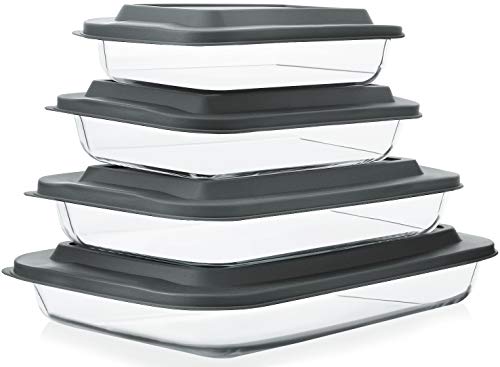
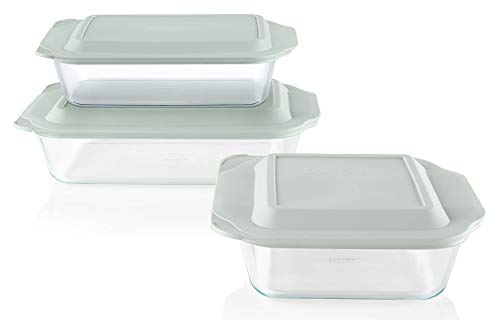
Baking Dish: A good-quality baking dish ensures even cooking and a delightful crispy topping. Ceramic or glass dishes are preferred for their heat retention properties. Choose a dish with a capacity of at least 2 quarts.
Oven: An oven with precise temperature control is essential for baking the casserole to perfection. If using a convection oven, adjust the temperature as needed. Ensure your oven is preheated for consistent results.





Ingredients
For the Base
|
|
| Amount | Ingredient | Notes |
|---|---|---|
| 4 large | potatoes | peeled and quartered |
| 1 cup | milk | warmed, adds creaminess |
| 1/2 cup | butter | melted, enhances richness |
| 1 teaspoon | salt | enhances flavor |
| 1/2 teaspoon | black pepper | adds subtle heat |
Toppings
| Amount | Ingredient | Notes |
|---|---|---|
| 1 cup | cheddar cheese | shredded, provides a golden crust |
| 1/4 cup | breadcrumbs | for a crispy topping |


Preparation Methods
Boiling Potatoes: Boiling potatoes until tender is key to achieving a smooth mash. Start with cold water, bringing it to a gentle boil to ensure even cooking. Test doneness by piercing with a fork—it should slide through easily.
Warming Dairy: Warm the milk and butter before adding to the potatoes. This helps the fats emulsify smoothly, resulting in a creamier texture. Avoid overheating to prevent curdling.
Layering: Carefully layer the mashed potatoes and toppings in the baking dish. This technique ensures the toppings cook evenly, creating a perfect crust. Use a spatula to spread the layers smoothly.



Step 1: Prepare Ingredients
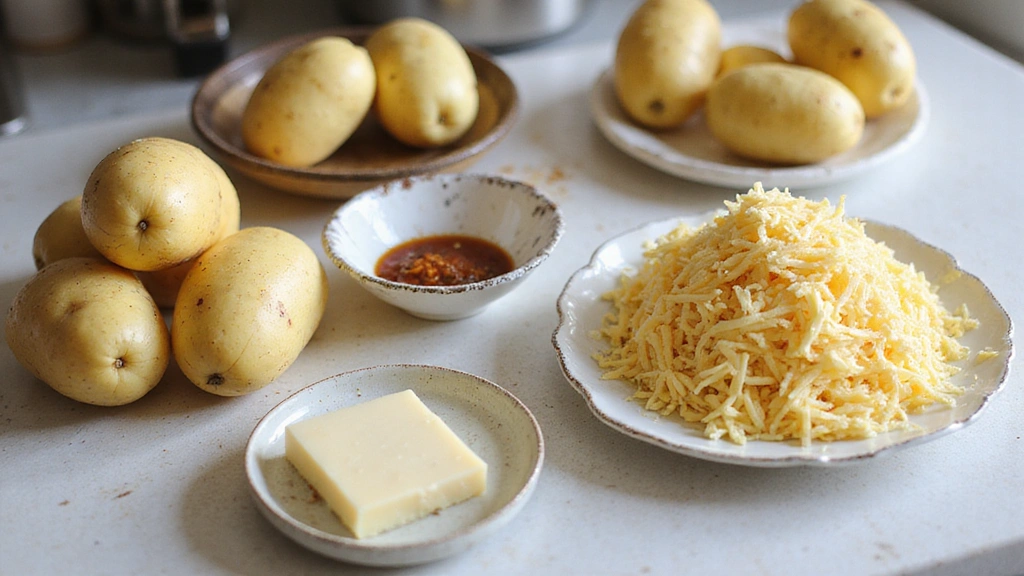
Peel and quarter the potatoes.
Gather and measure all ingredients before starting.
Ensure cheese is shredded and butter is melted.
Have your baking dish ready for later use.
Step 2: Boil Potatoes
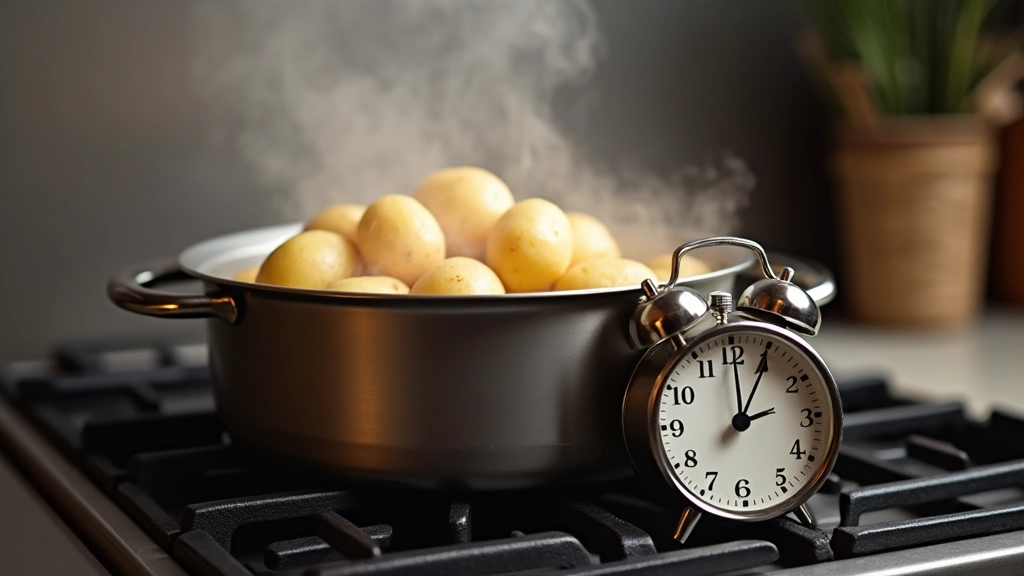
Place the potatoes in a large pot.
Cover with cold water and bring to a boil over medium-high heat.
Reduce heat and simmer until potatoes are tender, about 15-20 minutes.
Drain the potatoes thoroughly in a colander.

Step 3: Mash Potatoes
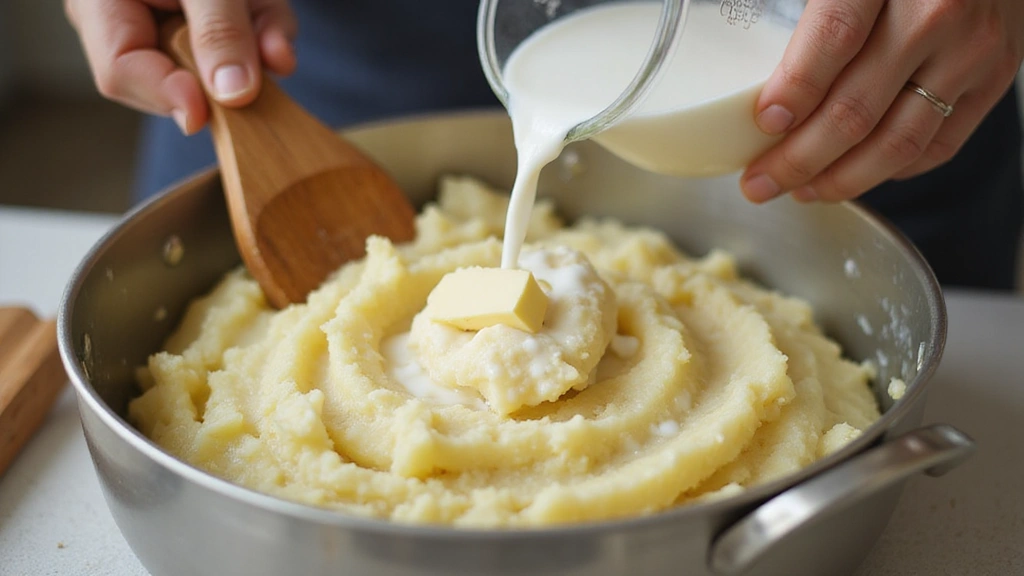
Return drained potatoes to the pot.
Use a potato masher to mash until smooth.
Add warmed milk and melted butter gradually.
Season with salt and pepper, mixing well.
Step 4: Preheat Oven
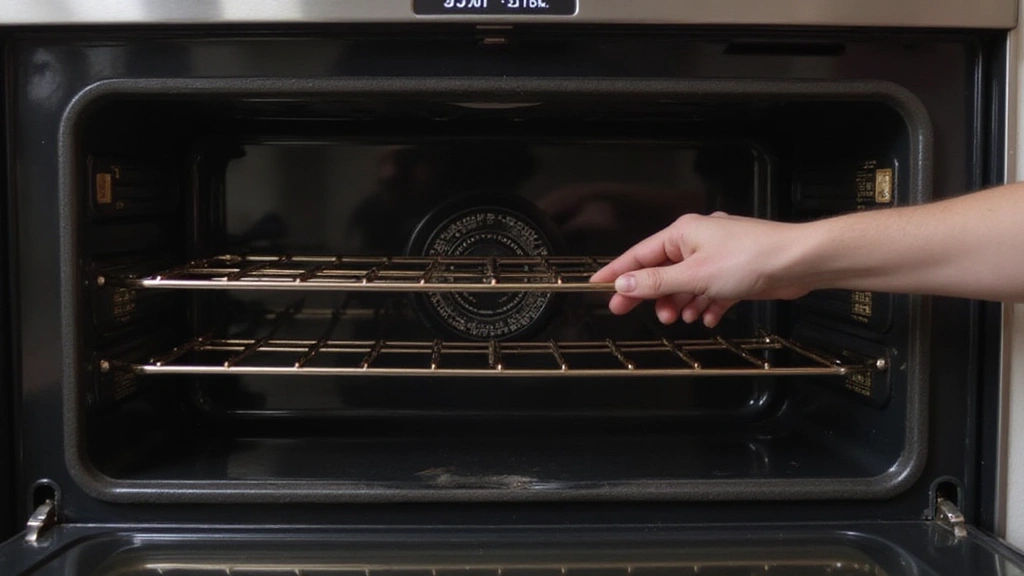
Preheat your oven to 375°F (190°C).
Ensure the oven rack is in the middle position.
This ensures even baking of the casserole.
Check your oven thermometer to confirm the correct temperature.
Step 5: Assemble Casserole
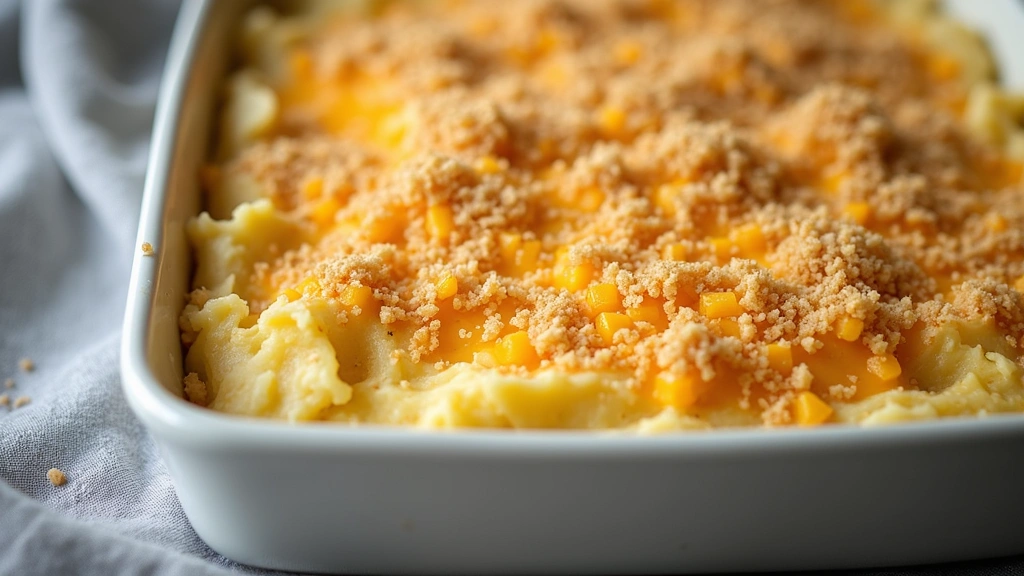
Transfer the mashed potatoes into a greased baking dish.
Spread evenly using a spatula to create a smooth surface.
Sprinkle shredded cheddar cheese over the top.
Evenly distribute breadcrumbs for a crunchy finish.


Step 6: Bake Casserole
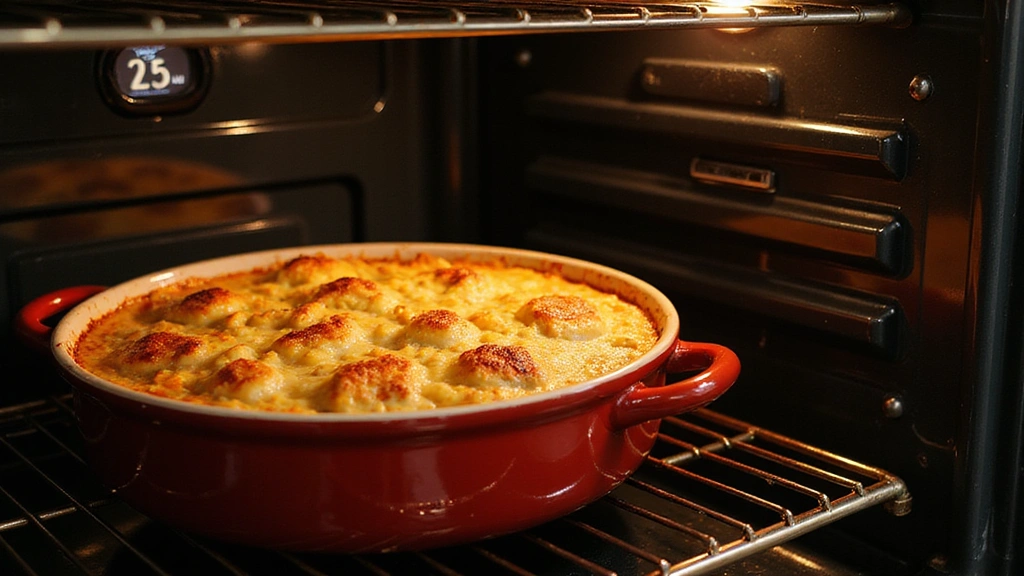
Place the baking dish in the preheated oven.
Bake for 25-30 minutes until the cheese is melted and bubbly.
The topping should be golden brown and crisp.
Remove from oven and let it rest for a few minutes.


Step 7: Garnish and Serve
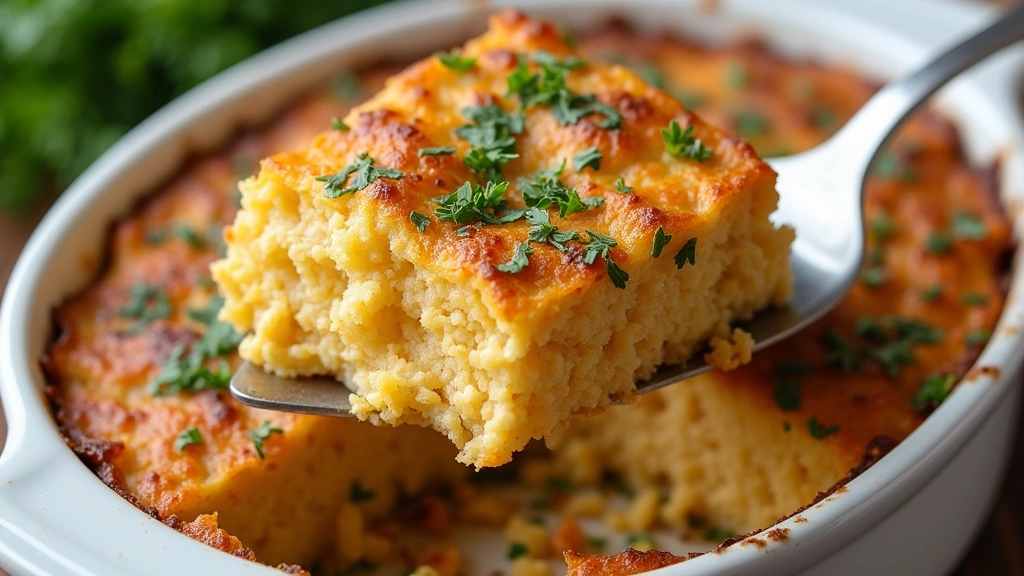
Sprinkle fresh herbs like parsley or chives over the casserole.
This adds a pop of color and freshness.
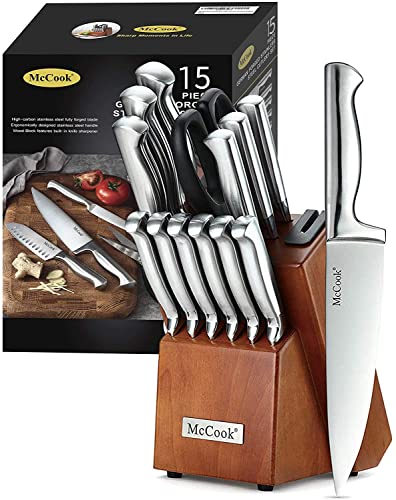
Cut into portions with a sharp knife.
Serve warm, pairing well with mains like roasted meats.





Critical Timing and Temperature Guide
Boiling Potatoes: Boil for 15-20 minutes until fork-tender. Avoid overboiling to prevent waterlogged potatoes, which can lead to a gummy texture.
Baking Casserole: Bake at 375°F (190°C) for 25-30 minutes. Look for a golden, bubbly top as a visual indicator of doneness.
Resting Time: Let the casserole rest for 5-10 minutes post-baking. This helps the layers set, making it easier to serve.
Pro Tips for Mashed Potato Casserole
• Ingredient Selection: Use starchy potatoes like Russets for the fluffiest mash, and opt for high-quality cheddar for the best flavor.
• Preparation Secret: Add a pinch of baking soda to the boiling water to enhance the tenderness of the potatoes.
• Temperature Management: Ensure milk and butter are warmed to prevent cooling the potatoes, which can affect texture.
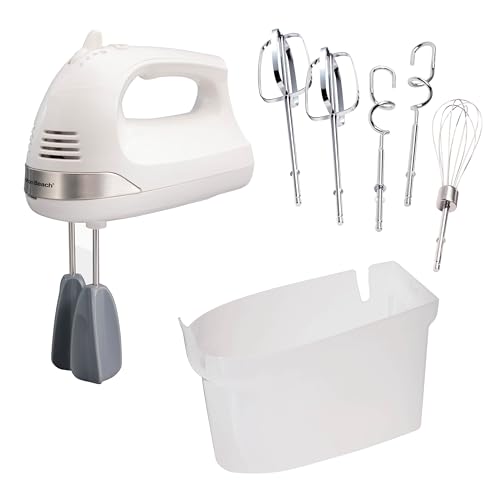
• Texture Enhancement: For extra creaminess, whip the mashed potatoes with a hand mixer on low speed.
• Flavor Layering: Incorporate roasted garlic into the mash for a deeper flavor profile.
• Make-Ahead Strategies: Prepare the mashed potatoes a day in advance and store in the fridge, then assemble and bake on the day of serving.
• Restaurant-Quality Finishing Touches: Broil the casserole for 2-3 minutes at the end to achieve a restaurant-style crispy top.
• Equipment Optimization: Use a ricer for the smoothest mashed potatoes if a masher isn't available.



Troubleshooting Common Issues
• Texture Too Dense: This can occur if potatoes are over-mixed. Use a gentle hand when mashing and mixing to maintain a light texture.
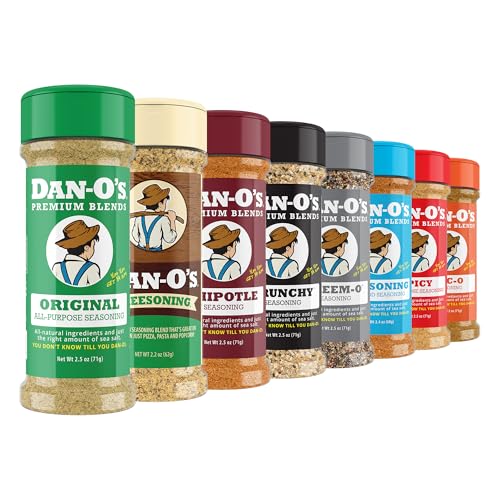
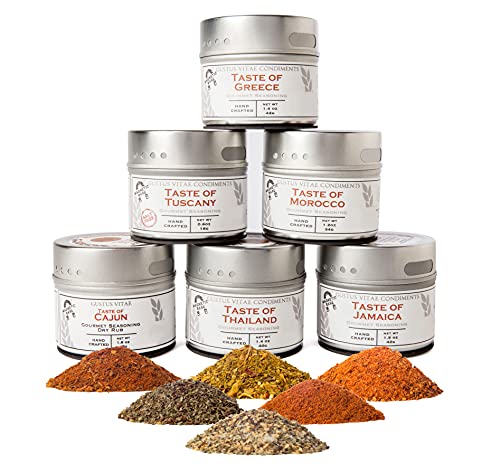
• Flavors Unbalanced: If the casserole tastes bland, check the seasoning of your mashed potatoes before baking. Adjust salt and pepper to taste.
• Topping Not Crispy: If the topping is not browning, increase oven temperature slightly or finish with a broil for a crispy finish.
• Potatoes Lumpy: Ensure potatoes are boiled until tender before mashing. If lumps remain, use a ricer or sieve them.
• Soggy Casserole: Prevent excess moisture by draining potatoes well and avoiding adding too much milk or butter.


Variations and Regional Differences
• French Gratin Style: Incorporates cream and Gruyère cheese, resulting in a richer, more decadent dish.
• Southern U.S. Variation: Often includes bacon bits and green onions for an added smoky flavor.
• Irish Colcannon Twist: Mixes in sautéed cabbage or kale, adding texture and nutrition.
• Italian-Inspired Version: Uses Parmesan and garlic, with a sprinkle of rosemary for a Mediterranean touch.
Food Science Behind the Recipe
• Starch Gelatinization: During boiling, the starches in potatoes absorb water and swell, creating a creamy texture when mashed.
• Emulsification of Fats: Warming milk and butter before adding to potatoes helps fats emulsify, leading to a smoother, creamier mash.
• Maillard Reaction: The browning of cheese and breadcrumbs during baking enhances flavor through this chemical reaction, providing a savory crust.


Frequently Asked Questions
What's the most common mistake people make when preparing Mashed Potato Casserole? Over-mixing the potatoes, which can make them gummy.
Can I use other types of potatoes? Yes, but Russets are recommended for their high starch content.
How do I prevent my casserole from being too runny? Ensure potatoes are well-drained and adjust milk/butter amounts.
Can this casserole be frozen? It's best enjoyed fresh, but can be frozen before baking for up to one month.
How can I add more flavor? Incorporate roasted garlic, herbs, or different cheeses for varied flavors.
Should I cover the casserole while baking? No, leaving it uncovered allows the top to crisp and brown.
Is there a dairy-free version? Use almond milk and vegan butter as substitutes for a dairy-free option.


Serving and Presentation Guide
• Traditional Presentation: Serve family-style directly from the baking dish, garnished with fresh herbs.
• Individual Portions: Scoop into ramekins for individual servings, perfect for dinner parties.
• Layered Plating: Serve alongside roasted meats, with the casserole as the hearty side.
• Garnish with Flair: Top with a sprinkle of paprika or fresh chives for a pop of color.
Conclusion
Now that you have the ultimate Mashed Potato Casserole recipe, it's time to bring comfort to your table.
With its creamy texture and savory flavors, this dish is sure to become a family favorite.
Enjoy the process of making it and the joy it brings when you share it with loved ones.
Happy cooking and even happier eating!