


This classic Mashed Potatoes with Heavy Cream brings together centuries of culinary tradition with modern techniques to create a dish that’s both comforting and elegant.
The harmonious balance of rich creaminess and buttery smoothness creates a memorable dining experience that will have everyone asking for your secret.
I discovered this recipe during my travels through Europe, where local chefs have perfected it through generations of careful refinement.
Whether you’re preparing a casual family dinner or hosting a special celebration, this ultra-creamy mashed potatoes recipe delivers impressive results with straightforward preparation.
The History and Cultural Significance
• Mashed Potatoes traces its origins to the Andes region, where it was originally created by indigenous peoples who first domesticated potatoes.
• The dish evolved over decades as cream and butter were incorporated, eventually becoming the beloved version we know today.
• In American culture, this dish traditionally appears at Thanksgiving and other festive gatherings, symbolizing comfort and abundance.
• While many variations exist across different regions, the authentic version maintains a smooth and creamy texture that sets it apart from imitations.
Recipe Overview
Nutritional Information (per serving)
Essential Equipment Guide
Potato Masher: A good potato masher is vital for achieving a smooth yet slightly textured consistency in your mashed potatoes. Alternatives include a ricer or even a stand mixer with a paddle attachment, but be cautious not to overwork the potatoes.
Heavy-Duty Saucepan: A sturdy saucepan ensures even cooking of the potatoes without burning. Look for one with a thick base and high sides to prevent spills.
Fine Mesh Sieve: For the ultimate creamy texture, a fine mesh sieve can be used to push the mashed potatoes through, removing any lumps and creating a silky finish.
Ingredients
For the Base
|
|
| Amount | Ingredient | Notes |
|---|---|---|
| 2 pounds | Yukon Gold potatoes | peeled and quartered |
| 1 cup | heavy cream | adds richness |
| 4 tablespoons | unsalted butter | provides creaminess |
| 1 teaspoon | salt | enhances flavor |
Seasonings
| Amount | Ingredient | Notes |
|---|---|---|
| 1/4 teaspoon | white pepper | adds subtle heat |
| 1 tablespoon | fresh chives | finely chopped for garnish |
Preparation Methods
Boiling Potatoes Evenly: Cut potatoes into uniform pieces to ensure they cook at the same rate. This prevents some pieces from becoming too soft while others remain undercooked.
Infusing Cream with Flavor: Warm the heavy cream with a garlic clove and a bay leaf before mixing with the potatoes. This infuses subtle flavors without overpowering the dish.
Gentle Mashing: Use a potato masher and a gentle hand to combine ingredients. Over-mashing can lead to a gummy texture, so stop when the mixture is smooth and fluffy.
Step 1: Prepare Ingredients
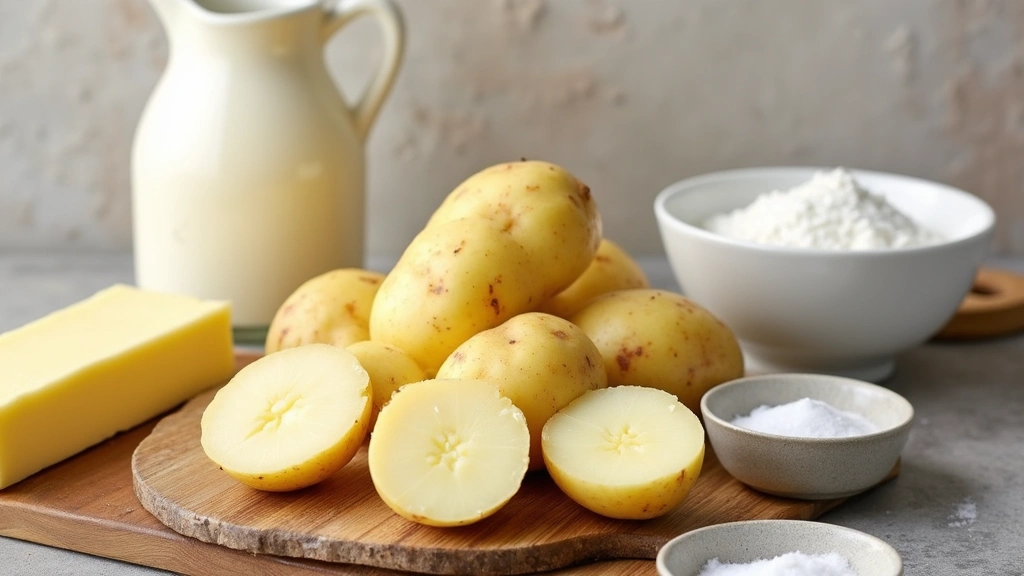
Peel and quarter the Yukon Gold potatoes.
Gather the butter, heavy cream, and seasonings.
Ensure all ingredients are at room temperature for even cooking.
Set aside fresh chives for garnish.
Step 2: Boil the Potatoes
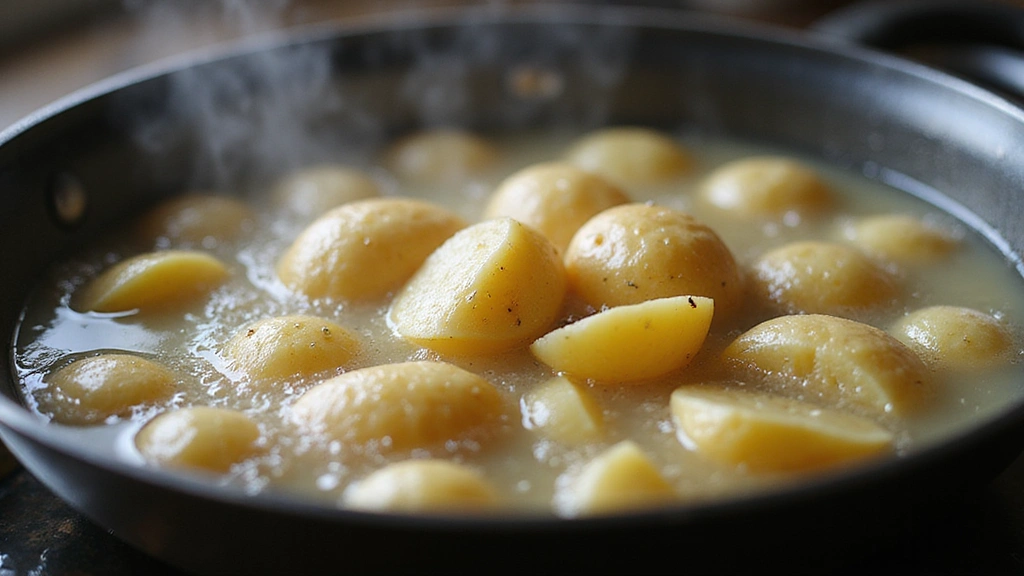
Place potatoes in a large saucepan and cover with cold water.
Add a teaspoon of salt to the water.
Bring to a boil over medium-high heat and cook until fork-tender, about 15-20 minutes.
Drain well and return to the saucepan.
Step 3: Infuse the Cream
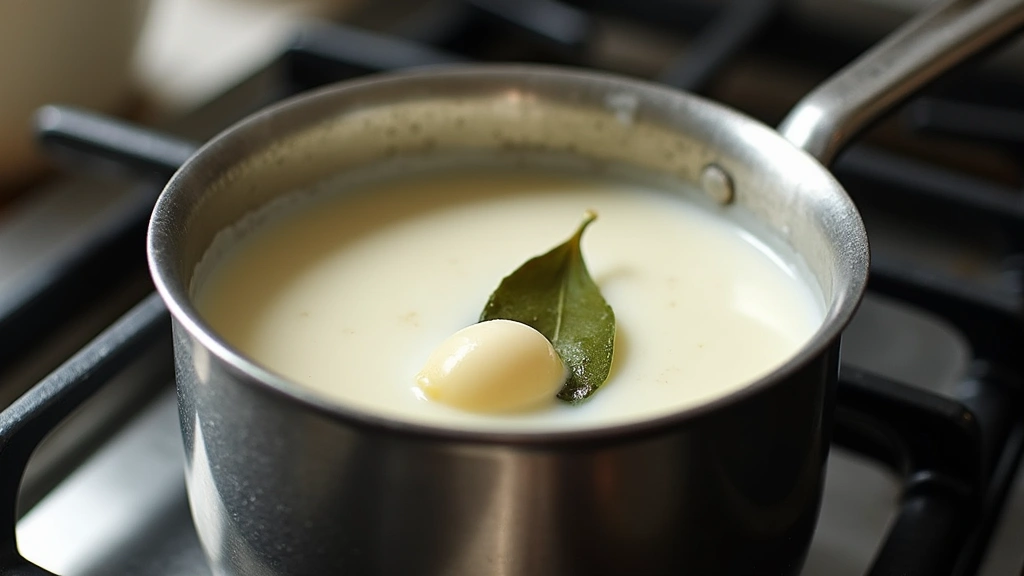
In a small saucepan, combine heavy cream with a smashed garlic clove and a bay leaf.
Warm over low heat until just steaming.
Remove from heat and let it steep for 5 minutes.
Discard the garlic and bay leaf before using.
Step 4: Mash the Potatoes
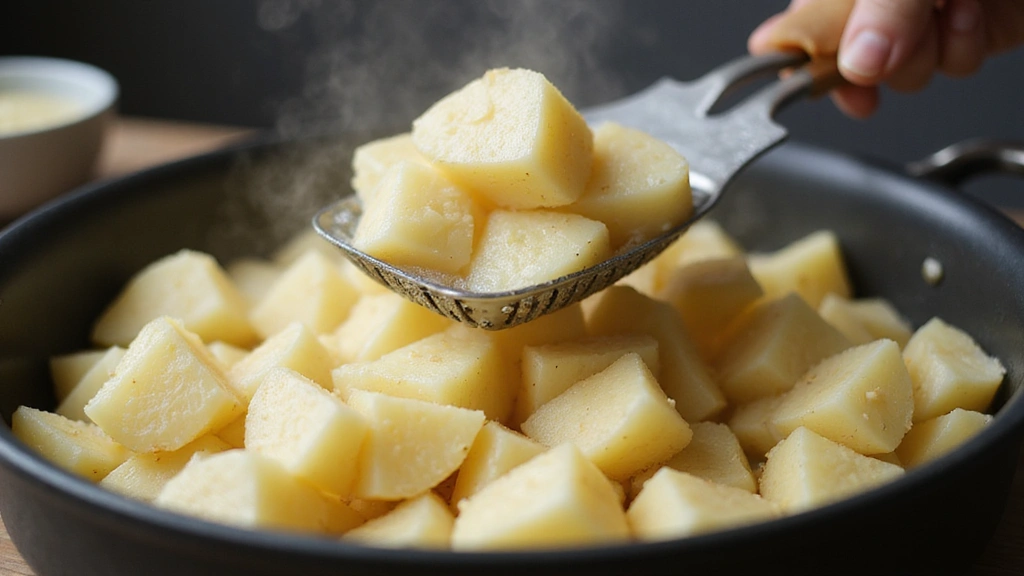
Use a potato masher to break down the cooked potatoes.
Add the cubed butter to the hot potatoes.
Mash until the butter is fully incorporated and the potatoes are smooth.
Be careful not to over-mash to avoid a gummy texture.
Step 5: Combine with Cream
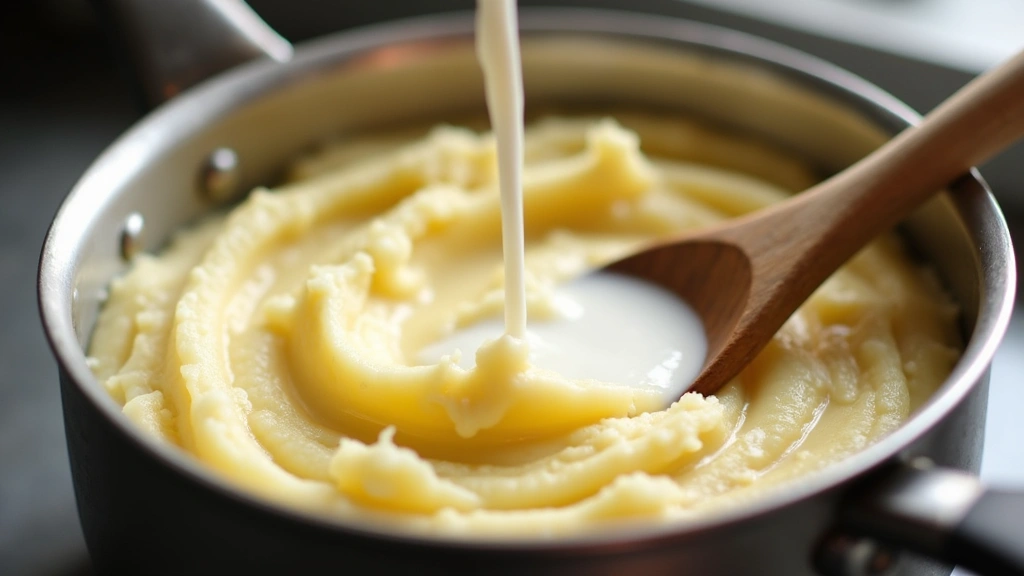
Slowly add the infused cream to the mashed potatoes.
Stir gently to fully incorporate the cream.
Ensure the mixture is smooth and creamy.
Adjust the seasoning with salt and white pepper to taste.
Step 6: Check Consistency
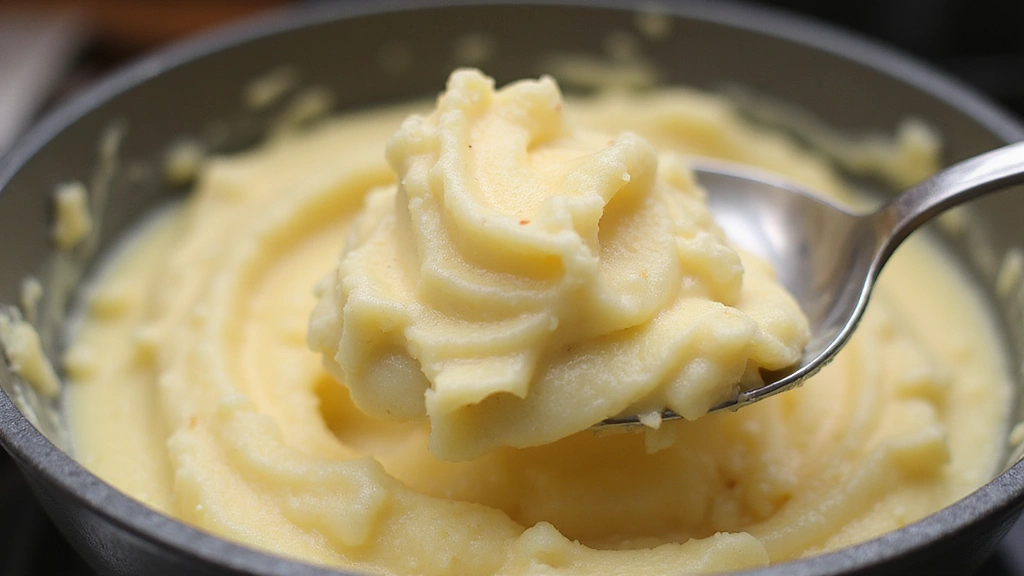
Assess the texture of the mashed potatoes.
They should be smooth with a slight fluffiness.
If too thick, add a bit more warm cream.
Stir gently to achieve the desired consistency.
Step 7: Garnish and Serve
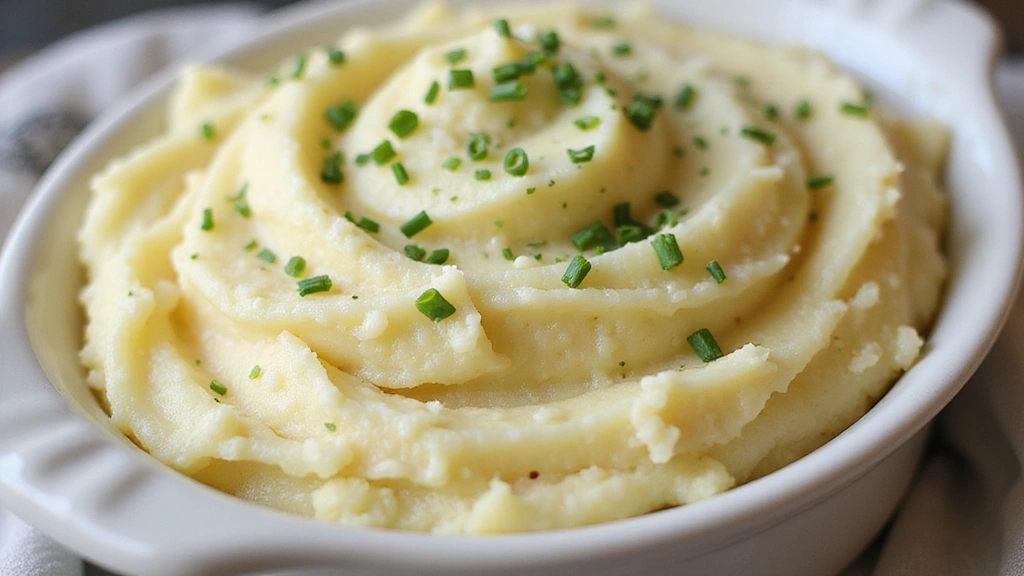
Transfer the mashed potatoes to a serving dish.
Sprinkle with freshly chopped chives for a pop of color.
Serve immediately while warm.
Enjoy as a side dish to your favorite meal.
Step 8: Store Leftovers
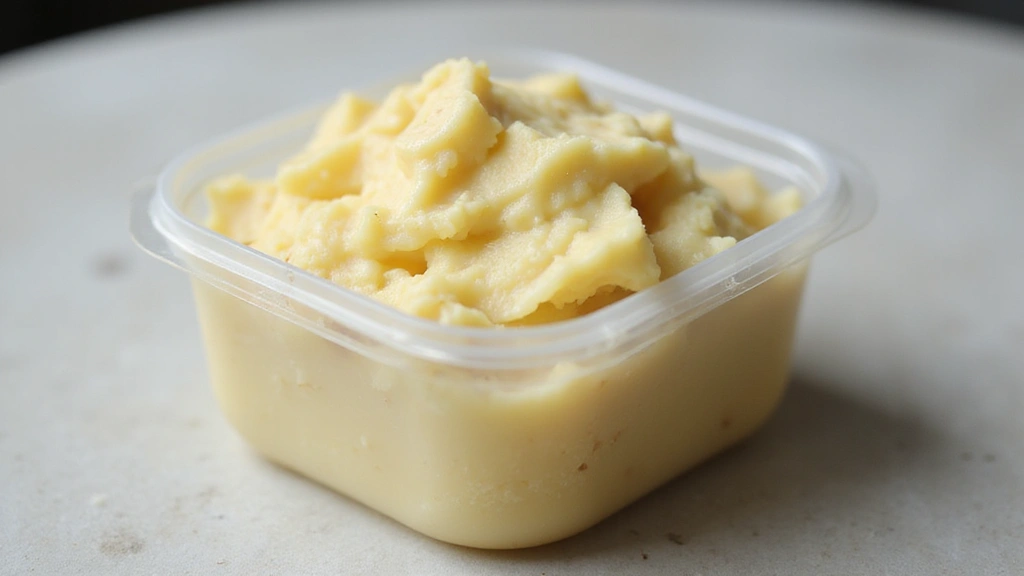
Allow any leftover mashed potatoes to cool completely.
Transfer to an airtight container.
Store in the refrigerator for up to 3 days.
Reheat gently on the stovetop or in the microwave before serving.
Critical Timing and Temperature Guide
Boiling: Potatoes should be boiled for 15-20 minutes until fork-tender. Avoid overcooking, which can lead to waterlogged potatoes.
Infusing Cream: Warm cream over low heat until steaming, not boiling. Steep for 5 minutes for optimal flavor infusion.
Mashing and Mixing: Mash potatoes while hot for the best texture. Mix in cream gradually to avoid a runny consistency.
Pro Tips for Mashed Potatoes
• Ingredient Selection: Choose Yukon Gold potatoes for their ideal texture and flavor profile, which contributes to a naturally creamy mash.
• Preparation Secret: Warming the cream before adding it to the potatoes prevents cooling and helps maintain a smooth consistency.
• Temperature Management: Ensure all ingredients are at room temperature before starting to facilitate even cooking and mixing.
• Texture Enhancement: Use a fine mesh sieve for the silkiest texture, pushing the mashed potatoes through gently.
• Flavor Layering: Infuse the cream with garlic and bay leaf for a subtle depth of flavor that elevates the dish.
• Make-Ahead Strategies: Prepare the mashed potatoes up to a day in advance, store in the fridge, and gently reheat with a splash of cream before serving.
• Restaurant-Quality Finishing Touches: Add a pat of butter on top just before serving for a luxurious finish.
• Equipment Optimization: Use a heavy-duty saucepan with a lid to retain heat and cook the potatoes evenly.
Troubleshooting Common Issues
• Texture Too Dense: This can occur if the potatoes are over-mashed. Recognize it by the gummy consistency and prevent it by stopping mashing as soon as the potatoes are smooth.
• Flavors Unbalanced: If the mashed potatoes taste flat, it often means under-seasoning. Taste and adjust salt and pepper gradually.
• Potatoes Too Watery: Caused by overcooking or not draining well. Remedy by reheating gently to evaporate excess moisture and mix thoroughly.
• Lumpy Texture: Often due to uneven potato pieces or insufficient mashing. Ensure uniform cuts and mash thoroughly but gently.
• Mashed Potatoes Too Thick: Add more warm cream gradually, stirring constantly until the desired consistency is achieved.
• Bland Flavor: Infuse additional flavor by incorporating roasted garlic or herbs into the cream before mixing.
Variations and Regional Differences
• Irish Champ: This version includes green onions (scallions) and is traditionally served with a well of melted butter in the center.
• French Purée de Pommes de Terre: Uses a higher butter-to-potato ratio and is typically passed through a food mill for a finer texture.
• American Southern Style: Often includes cream cheese or sour cream for an extra tangy and creamy flavor.
• German Kartoffelbrei: Sometimes includes nutmeg and is served alongside sausages and sauerkraut for a hearty meal.
Food Science Behind the Recipe
• Starch Gelatinization: Understanding how potato starches gelatinize during cooking helps achieve the perfect creamy texture.
• Emulsion Formation: The combination of butter and cream creates an emulsion that contributes to the richness and mouthfeel.
• Flavor Compounds: The use of warm cream allows for better incorporation of fat-soluble flavor compounds, enhancing the overall taste.
Frequently Asked Questions
What's the most common mistake people make when preparing mashed potatoes? Over-mashing, which can lead to a gummy texture due to the release of excess starch.
Can I prepare mashed potatoes in advance? Yes, you can prepare them a day ahead and reheat gently with additional cream or butter.
Why do my mashed potatoes always turn out lumpy? Uneven potato cuts or insufficient mashing can cause lumps. Ensure uniform pieces and mash thoroughly.
How can I make my mashed potatoes more flavorful? Infuse your cream with herbs or garlic, or add roasted garlic or cheese for added depth.
What's the best potato variety for creamy mashed potatoes? Yukon Gold potatoes are ideal due to their balance of starch and moisture.
How do I fix runny mashed potatoes? Reheat gently to reduce moisture or fold in more potatoes if available.
Is it necessary to peel the potatoes? Peeling is recommended for a smoother texture, but skins can be left on for a rustic feel.
Serving and Presentation Guide
• Traditional Presentation: Serve in a warm bowl with a pat of butter melting on top and a sprinkle of fresh chives.
• Rustic Style: Serve directly from the saucepan with a ladle, allowing guests to help themselves.
• Gourmet Plating: Pipe the mashed potatoes onto plates using a large star tip for a decorative effect.
• Family-Style Dish: Present in a large serving dish with a generous swirl of cream on top for added flair.
Conclusion
With its rich flavors and creamy texture, Mashed Potatoes with Heavy Cream is a timeless dish that elevates any meal.
By following this comprehensive guide, you can create a restaurant-quality side dish in the comfort of your home.
I encourage you to try this recipe and share it with loved ones, creating new memories and traditions around the table.