
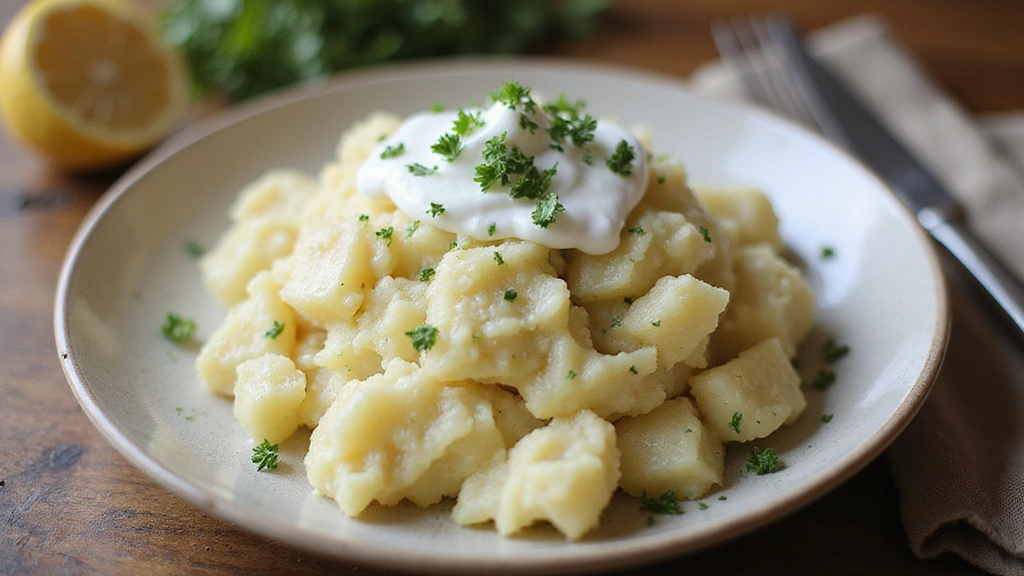
There’s nothing quite like a creamy, rich serving of mashed potatoes with sour cream to complete a meal.
This dish is a staple in many households, bringing warmth and comfort with every bite.
The tangy twist of sour cream adds a delightful depth that distinguishes it from regular mashed potatoes.
I first encountered this variation at a family gathering, where it quickly became a crowd favorite.
Perfect for holiday feasts or a simple weeknight dinner, these mashed potatoes offer a luxurious texture that is both fluffy and satisfying.
The History and Cultural Significance
• Mashed Potatoes trace their origins to the Andes Mountains, where potatoes were first cultivated by the Inca people.
• The dish evolved over decades as European settlers adapted it, eventually becoming the beloved version we know today with the addition of dairy.
• In American culture, this dish traditionally appears at Thanksgiving and other festive occasions, symbolizing comfort and abundance.
• While many variations exist across different regions, the authentic version maintains a creamy, fluffy texture that sets it apart from imitations.
Recipe Overview
Nutritional Information (per serving)
Essential Equipment Guide
Potato Masher: A potato masher is crucial for achieving the ideal texture of mashed potatoes. While a fork or spoon might work, a masher ensures even consistency. Look for one with a sturdy handle and a wide, flat mashing plate.
Large Pot: A large pot is necessary to boil the potatoes evenly. A pot that is too small may cause the potatoes to cook unevenly. Choose one with a heavy bottom to distribute heat properly.
Mixing Bowl: A large mixing bowl is essential for combining the ingredients without making a mess. Stainless steel or glass bowls are preferable for stability and ease of cleaning.
Ingredients
For the Base
|
|
| Amount | Ingredient | Notes |
|---|---|---|
| 3 pounds | russet potatoes | peeled and quartered |
| 1 cup | sour cream | adds tangy richness |
| 1/2 cup | butter | unsalted, melted for creaminess |
| 1/4 cup | milk | warmed, to adjust consistency |
Seasonings
| Amount | Ingredient | Notes |
|---|---|---|
| 1 1/2 teaspoons | salt | enhances overall flavor |
| 1/2 teaspoon | black pepper | freshly ground, for subtle heat |
Preparation Methods
Boiling Potatoes: This technique involves cooking the potatoes until they are tender enough to break apart with a fork. It's crucial to start with cold water and bring it to a boil to ensure even cooking. Avoid overcooking to prevent watery potatoes.
Mashing Technique: Mashing should be done while the potatoes are still hot for better absorption of the butter and sour cream. Use a gentle, consistent motion to avoid overworking, which can lead to gummy potatoes.
Flavor Balancing: Gradually incorporate seasonings while tasting frequently. This allows for adjustments to achieve the perfect balance, ensuring the sour cream does not overpower the dish.
Step 1: Prepare Ingredients
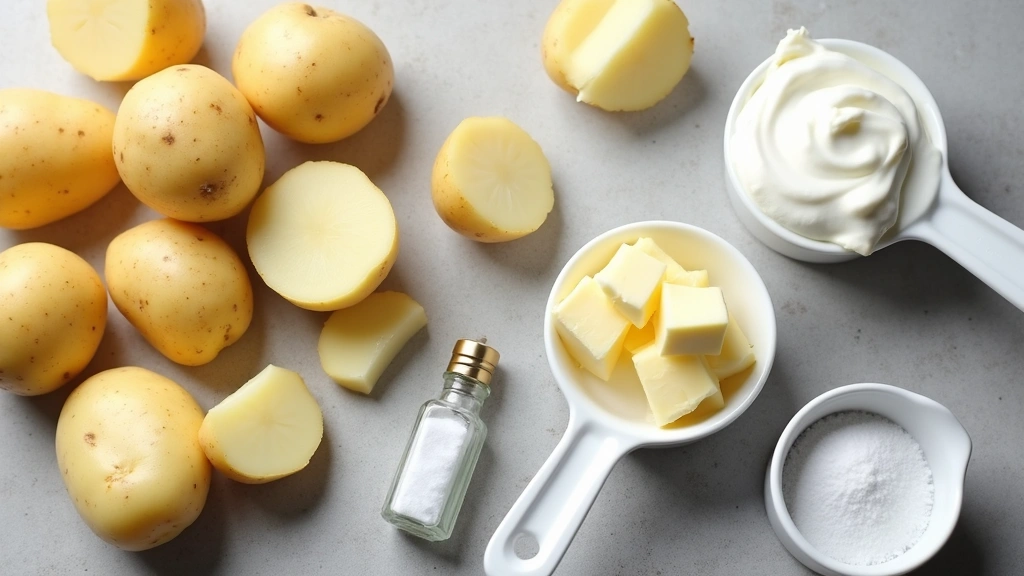
Begin by peeling the potatoes and cutting them into quarters.
Ensure all pieces are roughly the same size for even cooking.
Gather and measure all other ingredients before starting.
This preparation will streamline the cooking process.
Step 2: Boil Potatoes
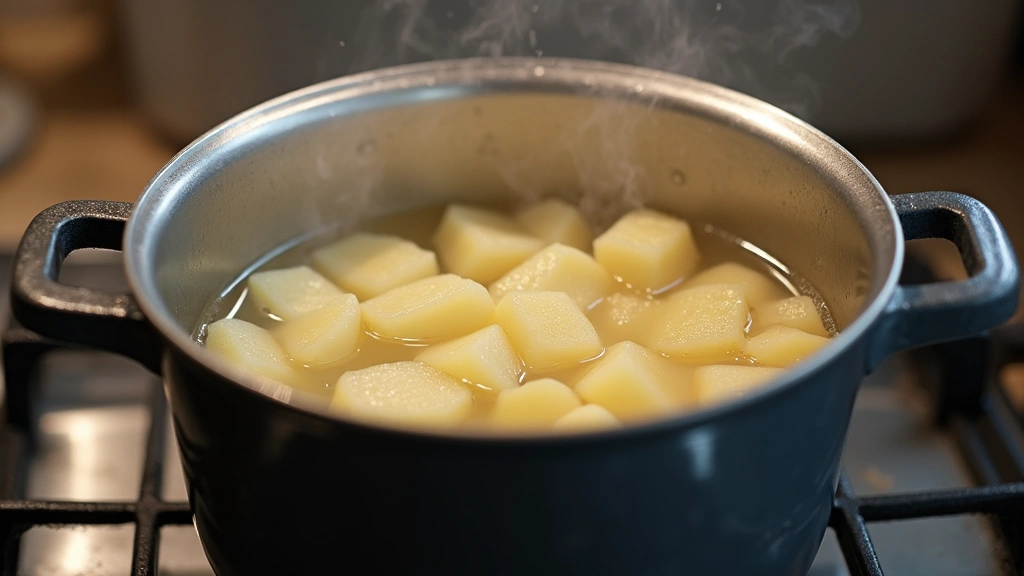
Place the potatoes in a large pot and cover them with cold water.
Add a pinch of salt to the water to enhance flavor during cooking.
Bring the pot to a boil over medium-high heat.
Cook until the potatoes are fork-tender, about 15-20 minutes.
Step 3: Drain Potatoes
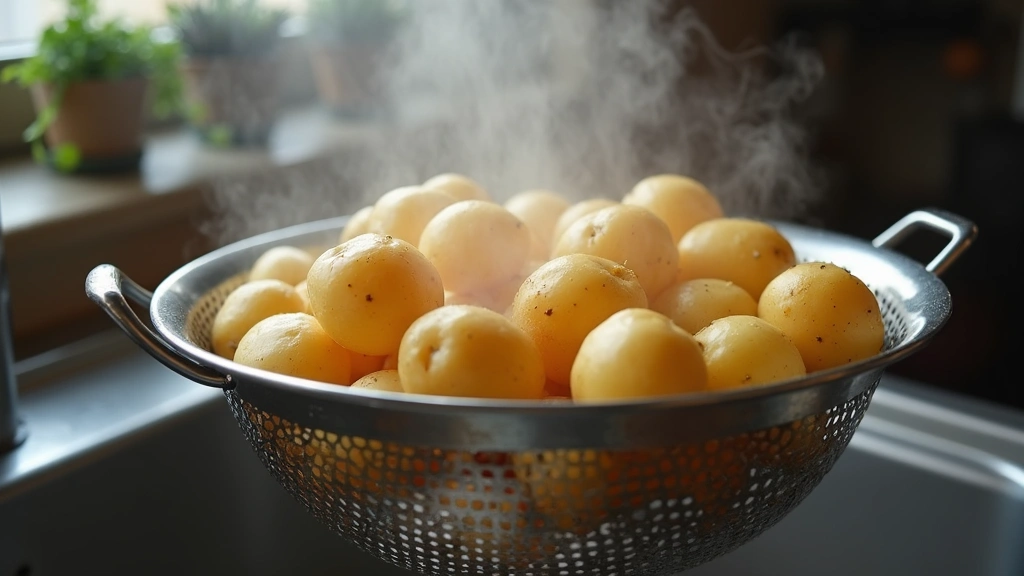
Once cooked, carefully drain the potatoes using a colander.
Allow them to sit briefly to steam off excess moisture.
This step is crucial to avoid watery mashed potatoes.
Return the potatoes to the pot for mashing.
Step 4: Mash Potatoes
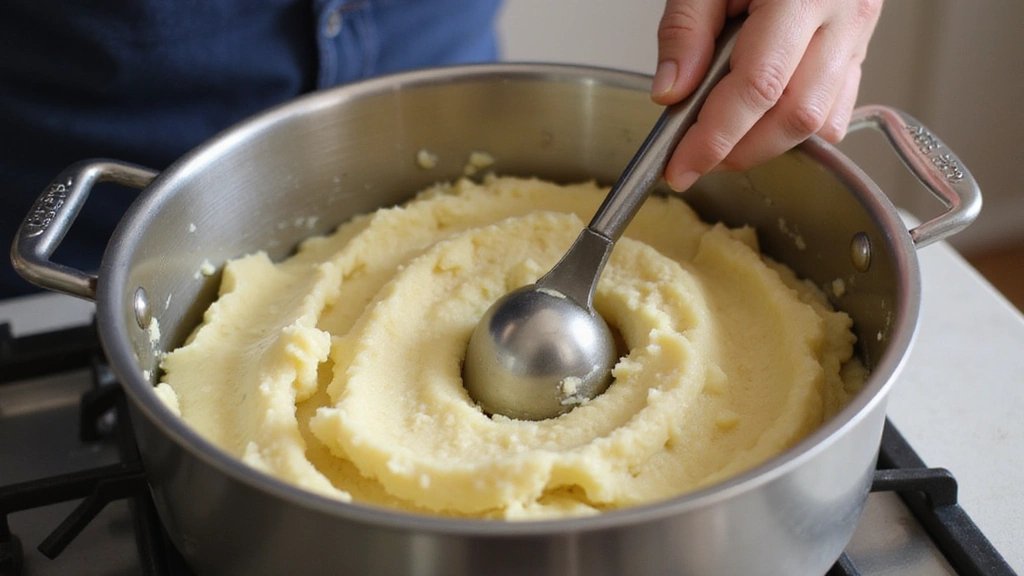
Using a potato masher, begin mashing the potatoes directly in the pot.
Ensure the potatoes are still hot to absorb ingredients more effectively.
Mash until they are mostly smooth with a few lumps for texture.
Avoid over-mashing to prevent a gummy texture.
Step 5: Add Butter

Pour melted butter into the mashed potatoes.
Stir well to incorporate the butter evenly throughout.
The butter will add richness and a silky texture.
Ensure it's fully mixed before adding other ingredients.
Step 6: Mix in Sour Cream
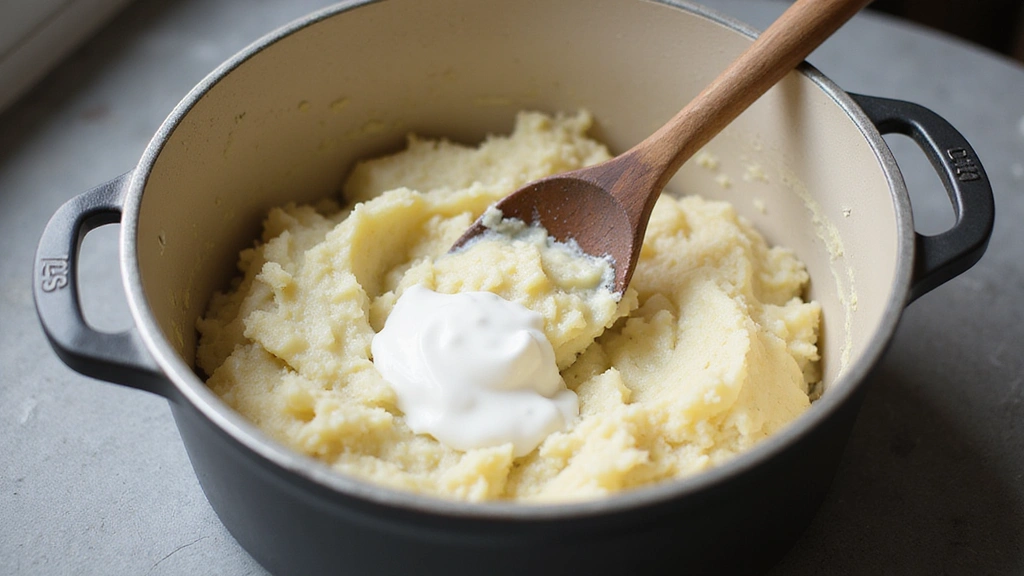
Add the sour cream to the potatoes in the pot.
Gently fold it into the mash for a creamy consistency.
Ensure the sour cream is evenly distributed for uniform flavor.
Taste and adjust seasoning as needed.
Step 7: Adjust Consistency
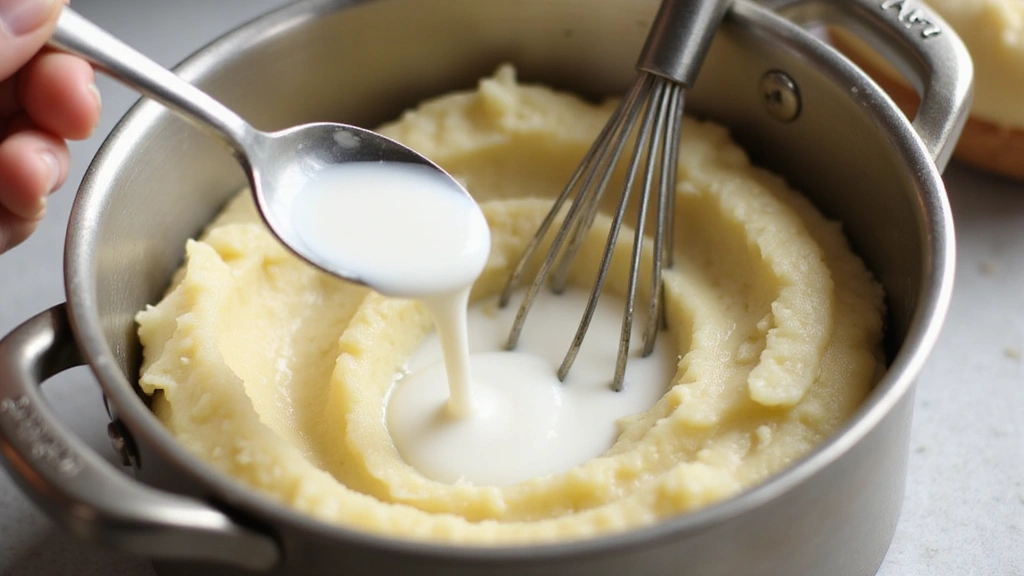
Pour in warmed milk gradually while stirring.
Continue to mix until desired consistency is achieved.
Milk adds creaminess and helps achieve a smooth texture.
Be cautious not to add too much, to avoid runny potatoes.
Step 8: Season to Taste
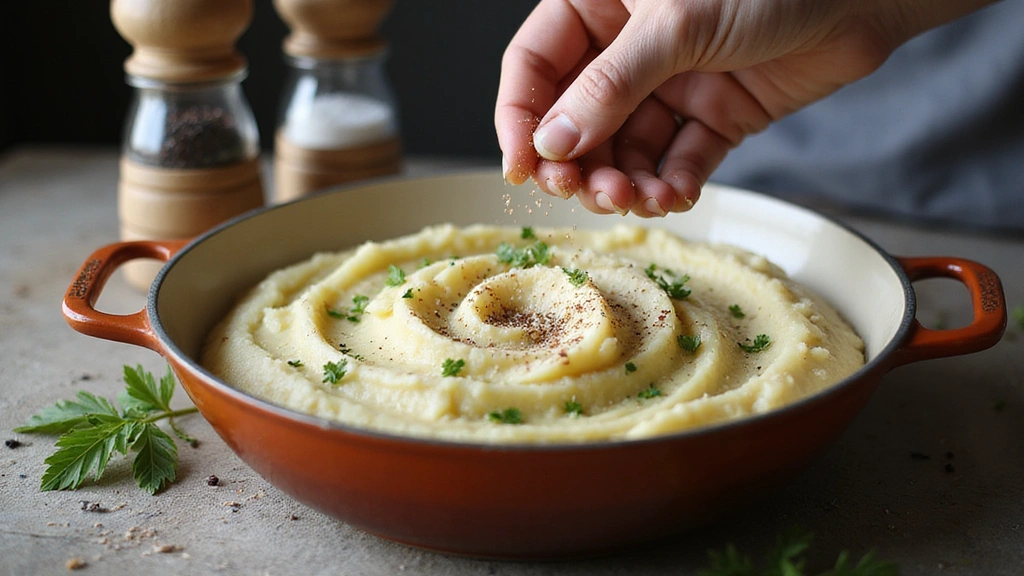
Sprinkle in salt and freshly ground black pepper.
Mix well to ensure even seasoning throughout.
Taste and adjust seasoning as necessary for balanced flavor.
Consider adding more pepper for a spicier kick.
Step 9: Final Stir
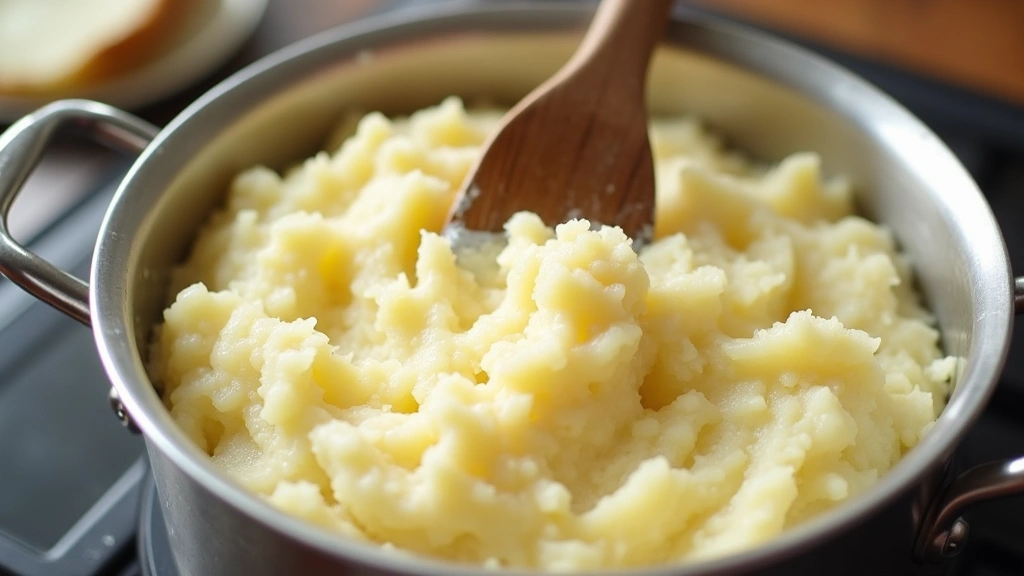
Give the mashed potatoes a final stir to ensure all ingredients are well combined.
Check for any lumps and mash further if needed.
The mixture should be smooth and fluffy at this stage.
Prepare to serve immediately while hot.
Step 10: Serve and Enjoy
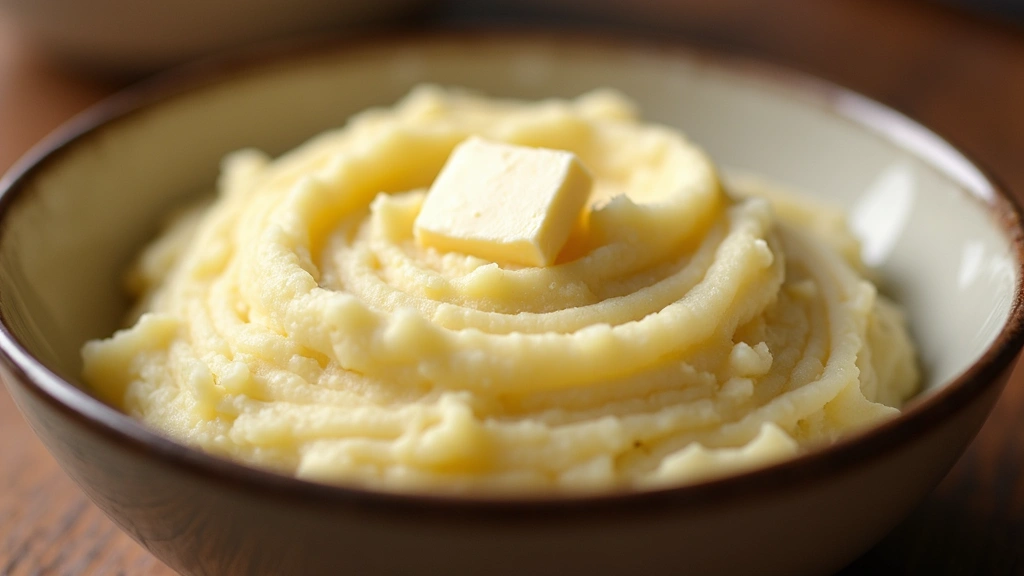
Transfer the mashed potatoes to a serving bowl.
Garnish with a pat of butter or fresh herbs if desired.
Serve hot alongside your favorite dishes.
Enjoy the creamy, rich flavor of homemade mashed potatoes.
Critical Timing and Temperature Guide
Boiling Potatoes: Boil for 15-20 minutes until fork-tender. Avoid undercooking, as this leads to lumpy potatoes.
Mashing Potatoes: Mash immediately while hot for best absorption of flavor. Cold potatoes will not absorb butter and cream properly.
Serving Temperature: Serve immediately to maintain warmth and texture. Reheating may alter the consistency.
Pro Tips for Mashed Potatoes
• Ingredient Selection: Choose starchy potatoes like russets for fluffiness. The quality of butter and sour cream also significantly affects flavor.
• Preparation Secret: Boil potatoes with the skin on, then peel for a deeper potato flavor.
• Temperature Management: Keep all ingredients warm before mixing to ensure smooth integration and prevent cooling the mash.
• Texture Enhancement: For extra fluffiness, consider using a ricer instead of a masher.
• Flavor Layering: Add roasted garlic or herbs like chives for additional depth and complexity.
• Make-Ahead Strategies: Prepare potatoes, then store in an oven-safe dish. Reheat gently in the oven at low temperature, covered, to retain moisture.
• Restaurant-Quality Finishing Touches: Top with a drizzle of truffle oil or a sprinkle of fresh herbs before serving.
• Equipment Optimization: Use a heavy-bottomed pot for even cooking and prevent sticking.
Troubleshooting Common Issues
• Texture Too Dense: Caused by over-mashing or using waxy potatoes. Use a ricer for a fluffier texture.
• Flavors Unbalanced: Often due to insufficient seasoning. Taste and adjust salt and pepper gradually.
• Watery Consistency: Result of overcooking potatoes. Drain thoroughly and add less milk.
• Gummy Texture: Over-mixing can cause this. Mash gently and avoid using a food processor.
• Cold Mashed Potatoes: Keep ingredients warm and serve immediately to maintain heat.
• Lack of Creaminess: Ensure enough butter and sour cream are incorporated. Adjust quantities as needed.
Variations and Regional Differences
• French Pommes Purée: Uses more butter, often double the amount, and is beaten to a silky smooth texture.
• Irish Champ: Incorporates scallions and a bit more milk for a lighter, onion-flavored mash.
• Southern American: Sometimes includes cream cheese and garlic for a richer, more robust taste.
• Swedish Potatismos: Adds nutmeg and white pepper for a spiced profile, often served with meatballs.
Food Science Behind the Recipe
• Starch Gelatinization: Understanding how heat and moisture affect potato starch assists in achieving the perfect texture.
• Emulsification: Knowledge of how to properly combine butter and milk helps create a creamy consistency.
• Flavor Compounds: Recognizing the role of lactic acid in sour cream enhances the tangy flavor profile.
Frequently Asked Questions
What's the most common mistake people make when preparing mashed potatoes with sour cream? Over-mashing, which can lead to a gummy texture, is the most common error.
Can I use another type of potato? Yes, but starchy potatoes like russets are best for a fluffy texture.
Is it okay to use salted butter? You can, but adjust the salt added to the potatoes accordingly.
How do I store leftovers? Store in an airtight container in the refrigerator for up to 3 days.
Can I freeze mashed potatoes? Yes, but the texture may change. Thaw overnight in the fridge and reheat gently.
How can I make them healthier? Use low-fat sour cream and reduce the amount of butter.
What can I add for extra flavor? Roasted garlic, herbs like chives or parsley, and even grated cheese can enhance flavor.
Can I make this recipe vegan? Substitute with vegan butter and dairy-free sour cream for a vegan version.
Serving and Presentation Guide
• Traditional Presentation: Serve in a large, shallow bowl with a pat of butter melting on top.
• Family Style: Present in a rustic dish, allowing guests to serve themselves.
• Individual Servings: Pipe mashed potatoes onto plates using a pastry bag for an elegant touch.
• Garnished Elegance: Top with a sprinkle of fresh herbs or a drizzle of truffle oil for a sophisticated look.
Conclusion
With their rich, creamy texture and tangy flavor, mashed potatoes with sour cream are a delightful addition to any meal.
This recipe offers a perfect balance of simplicity and elegance, making it accessible for cooks of all levels.
Try this recipe and enjoy the warmth and comfort of homemade mashed potatoes with a twist.