

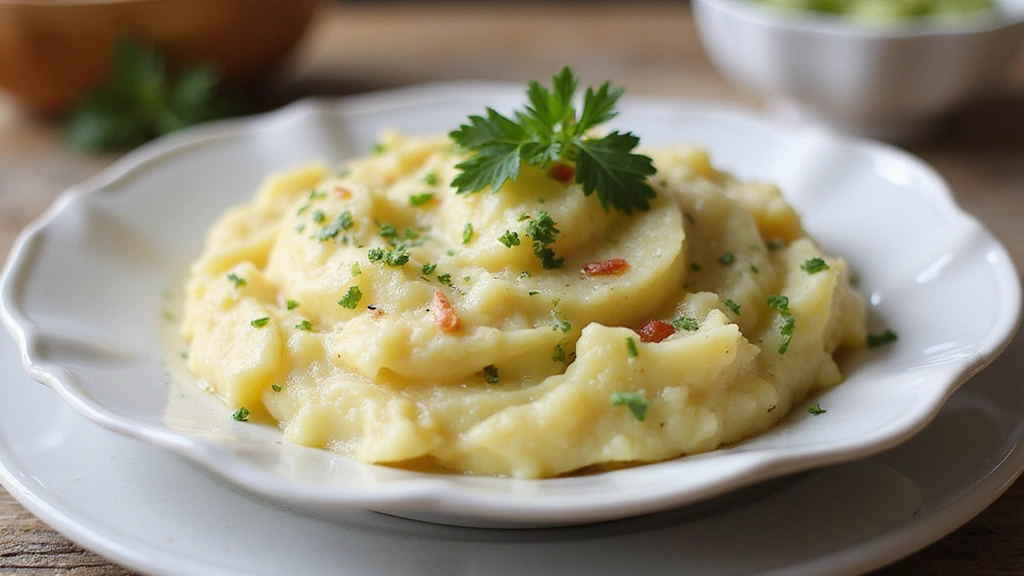
As the weather cools and the leaves begin to change, there’s nothing more comforting than a warm bowl of creamy mashed potatoes.
This recipe for Mashed Potatoes in the Slow Cooker is a revelation for those who love simplicity without sacrificing flavor.
The slow cooker ensures that the potatoes are cooked to perfection, allowing you to focus on other tasks while your kitchen fills with a delicious aroma.
Whether you’re serving them as a side dish for a holiday feast or a simple weeknight dinner, these mashed potatoes are sure to impress.
The rich, buttery taste is complemented by the subtle hint of garlic and herbs, making each bite a delight.
Join me on a culinary journey to discover how easy it is to make these creamy mashed potatoes.
The History and Cultural Significance
• Mashed Potatoes trace their origins to the Andes region of South America, where potatoes were first cultivated over 7,000 years ago.
• The dish evolved over decades as European settlers embraced the potato, adding milk and butter to create the creamy texture we love today.
• In many Western cultures, this dish traditionally appears at Thanksgiving and Christmas dinners, symbolizing comfort and abundance.
• While many variations exist across different regions, the authentic version maintains a smooth texture and rich buttery flavor that sets it apart from imitations.
Recipe Overview
Nutritional Information (per serving)
Essential Equipment Guide
Slow Cooker: A slow cooker is essential for achieving the creamy texture as it allows the potatoes to cook slowly and evenly. Look for one with a programmable timer for convenience.
Potato Masher: This tool is important for mashing the potatoes to the desired consistency. A ricer or food mill can be used as alternatives for even smoother results.
Immersion Blender: An immersion blender can be used for a super creamy texture. Choose one with variable speed settings to avoid over-processing.
Ingredients
For the Base
|
|
| Amount | Ingredient | Notes |
|---|---|---|
| 3 pounds | russet potatoes | peeled and cut into chunks |
| 1 cup | chicken broth | adds depth of flavor |
For Creaminess
| Amount | Ingredient | Notes |
|---|---|---|
| 1/2 cup | milk | warmed, for smooth texture |
| 1/2 cup | heavy cream | adds richness |
| 4 tablespoons | unsalted butter | melted |
Seasonings
| Amount | Ingredient | Notes |
|---|---|---|
| 3 cloves | garlic | minced for subtle flavor |
| 1 teaspoon | salt | enhances flavor |
| 1/2 teaspoon | black pepper | freshly ground |
Garnish
| Amount | Ingredient | Notes |
|---|---|---|
| 2 tablespoons | chopped chives | adds a fresh note |
Preparation Methods
Peeling and Chopping Potatoes: Properly peeling and chopping the potatoes ensures even cooking in the slow cooker. Use a sharp peeler and aim for uniform chunks for consistency.
Infusing Garlic: Mince garlic finely to release its oils and infuse the potatoes with a mild garlic flavor. Sauté briefly before adding to the slow cooker for enhanced aroma.
Blending for Creaminess: For an extra creamy texture, use an immersion blender. Blend in short bursts to maintain some texture while avoiding a gluey consistency.
Step 1: Prepare Ingredients
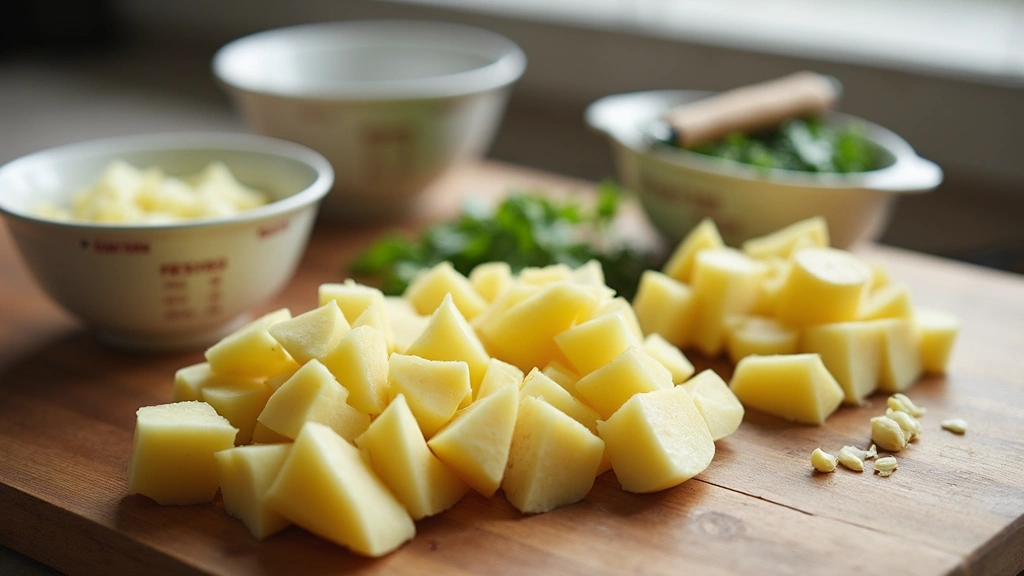
Gather all ingredients on your kitchen counter.
Peel and cut the russet potatoes into uniform chunks.
Measure out the chicken broth and other liquid ingredients.
Mince the garlic cloves finely.
Step 2: Add Ingredients to Slow Cooker
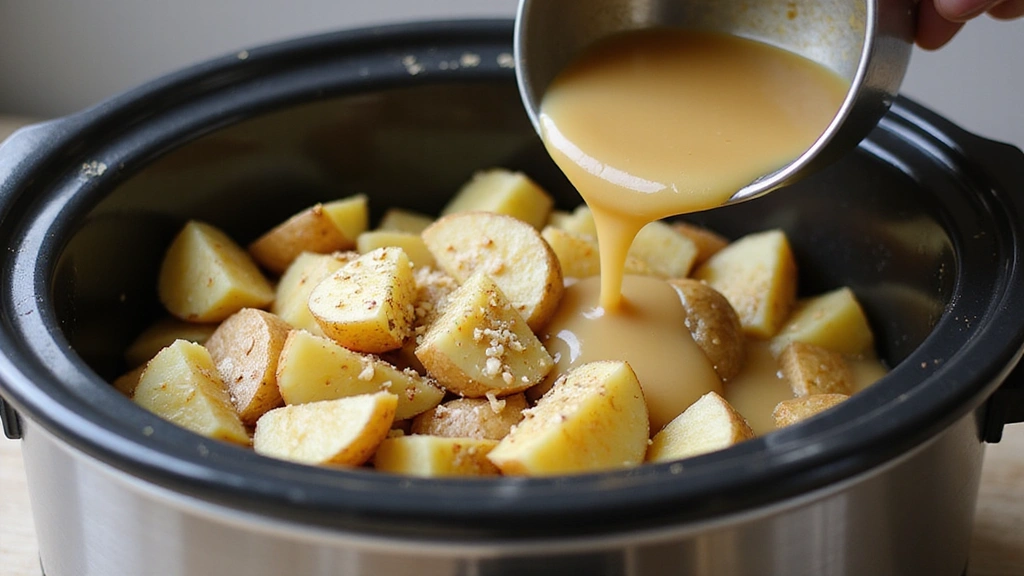
Place the chopped potatoes into the slow cooker.
Pour the chicken broth over the potatoes.
Sprinkle the minced garlic evenly over the top.
Cover the slow cooker with its lid.
Step 3: Cook Potatoes
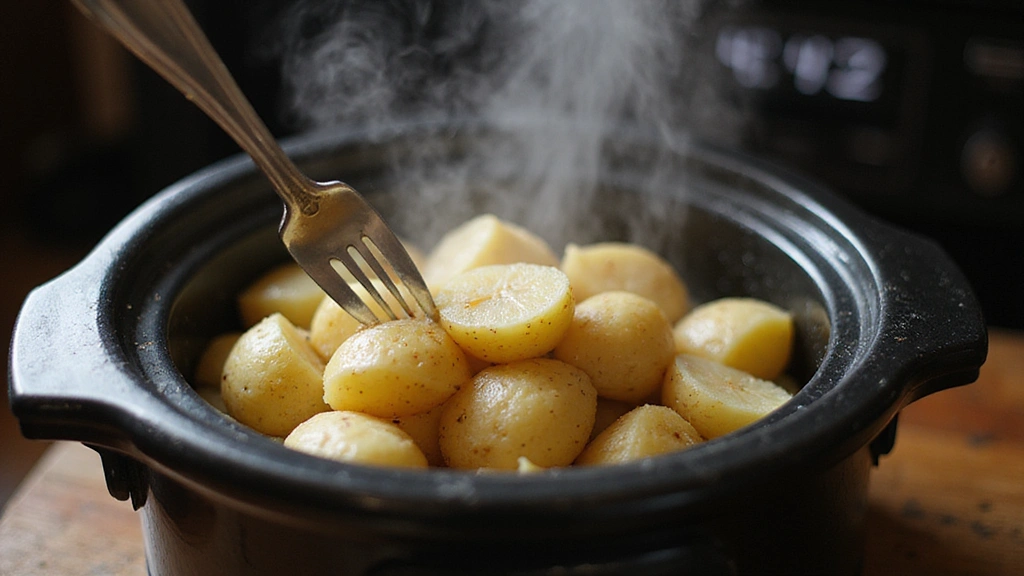
Set your slow cooker to low heat.
Allow the potatoes to cook for 4 hours.
Check occasionally to ensure they are cooking evenly.
The potatoes should be tender when pierced with a fork.
Step 4: Mash the Potatoes
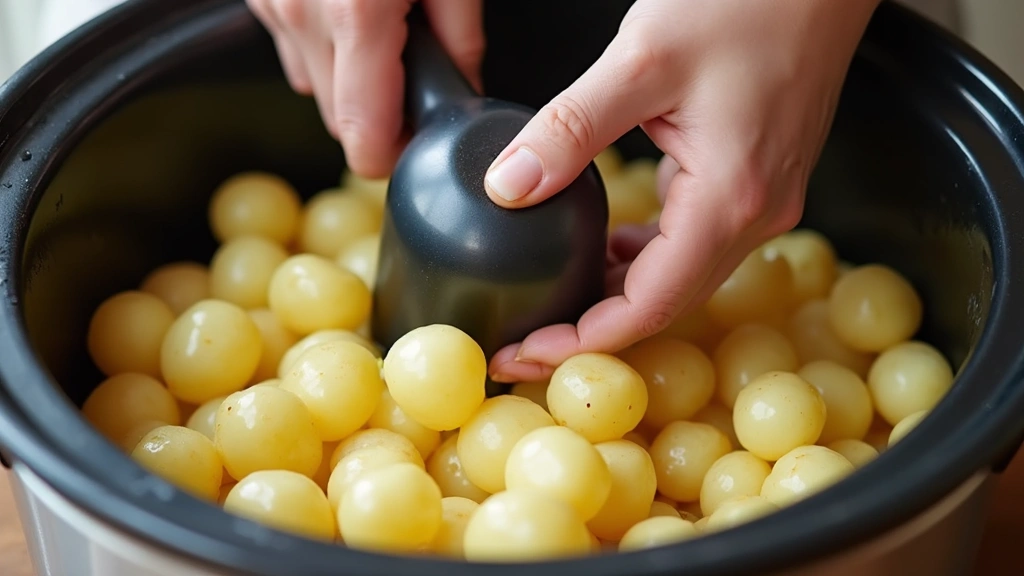
Remove the lid from the slow cooker.
Using a potato masher, begin mashing the potatoes directly in the cooker.
Mash until most lumps are gone but some texture remains.
Avoid over-mashing to prevent a gluey consistency.
Step 5: Add Creamy Elements
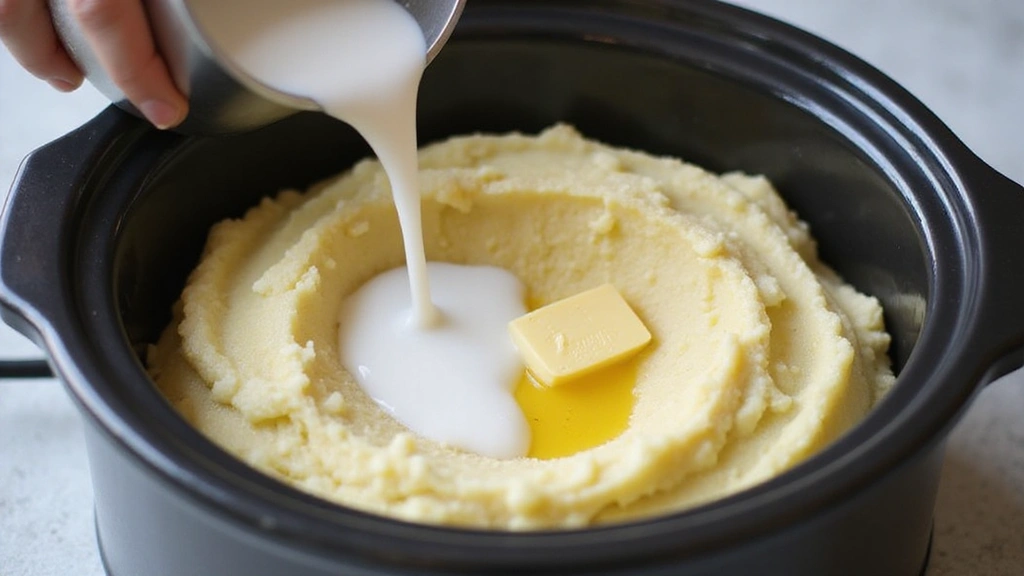
Warm the milk and heavy cream in a small saucepan.
Pour the warmed liquids into the mashed potatoes.
Add the melted butter and stir to combine.
Ensure everything is mixed evenly for a creamy texture.
Step 6: Season the Potatoes
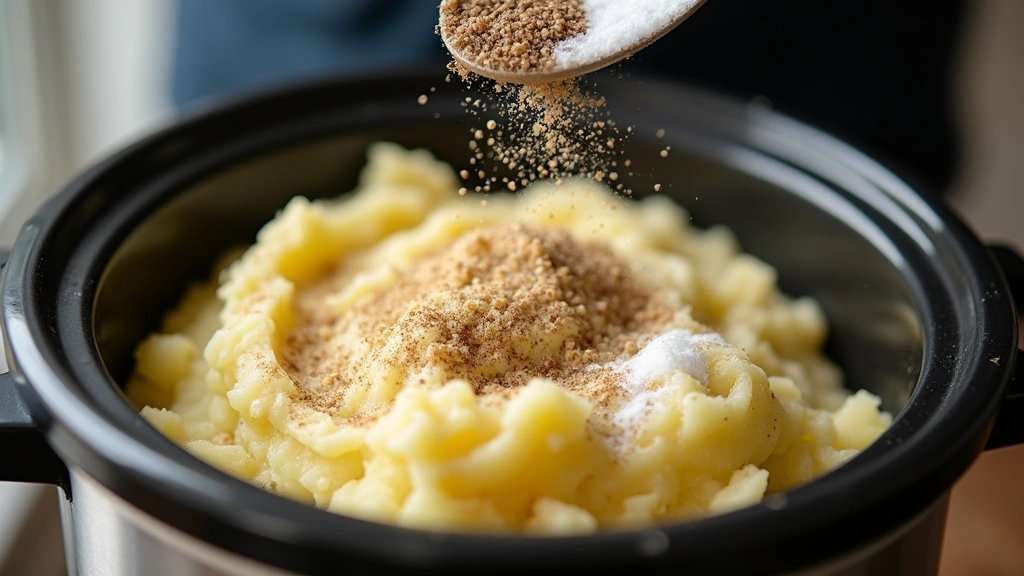
Sprinkle salt and black pepper over the mashed potatoes.
Stir well to distribute the seasonings evenly.
Taste and adjust seasonings as needed.
Ensure the seasoning enhances the natural flavors of the potatoes.
Step 7: Final Blend
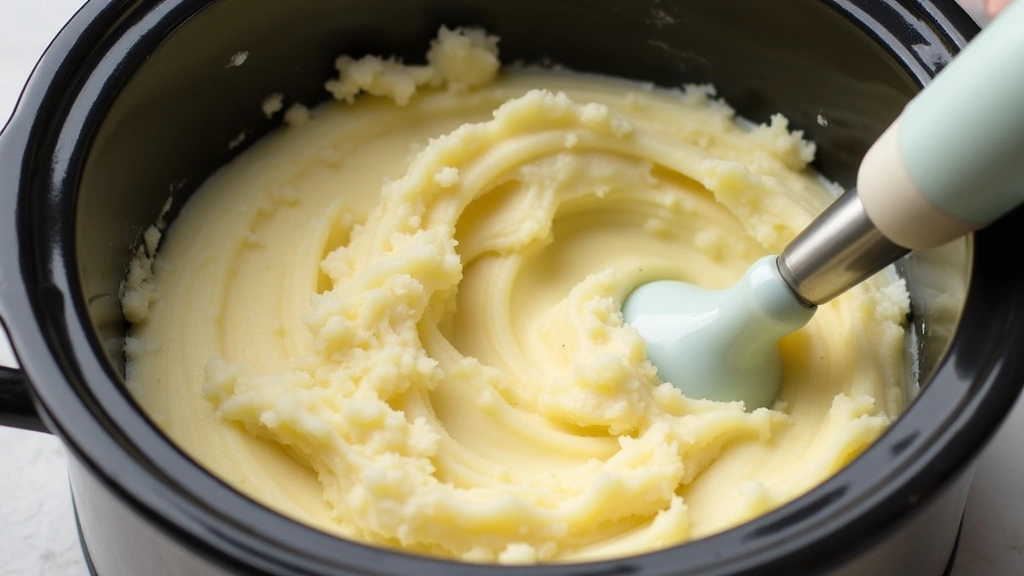
Use an immersion blender for a final smooth blend.
Blend in short bursts to achieve the desired creaminess.
Stop blending once the texture is smooth but not gluey.
This step ensures a professional, restaurant-quality finish.
Step 8: Garnish and Serve
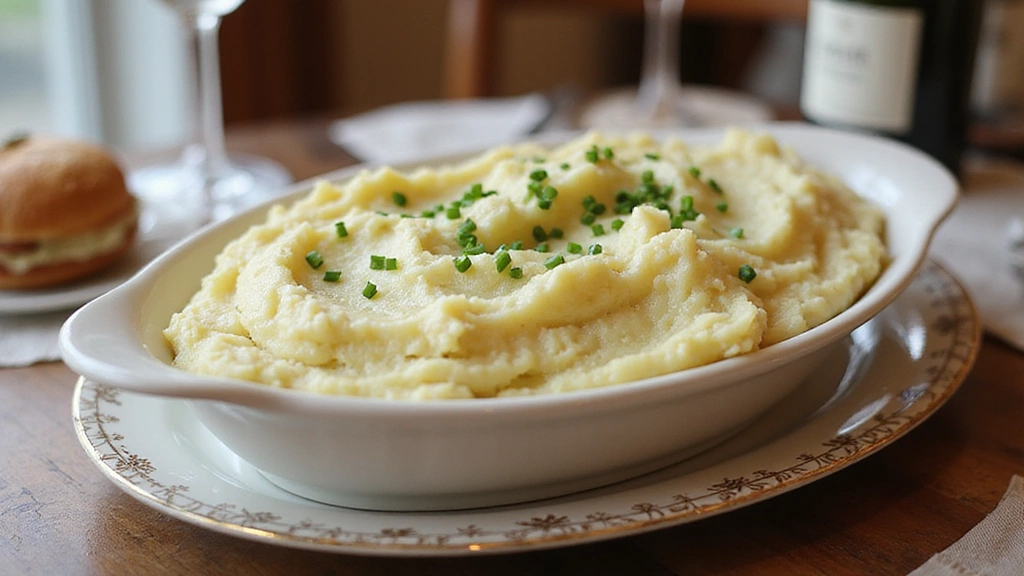
Transfer the mashed potatoes to a serving dish.
Sprinkle chopped chives over the top for garnish.
Serve immediately while warm and creamy.
Enjoy the rich, comforting taste with your meal.
Critical Timing and Temperature Guide
Cooking the Potatoes: Cook on low heat for exactly 4 hours. Potatoes should be fork-tender without falling apart. Avoid opening the lid too often as it releases heat.
Blending Creamy Elements: Warm milk and cream to just below a simmer to prevent curdling. Stir in thoroughly to maintain an even temperature throughout.
Final Blending: Blend in short bursts of no more than 5 seconds to prevent over-processing. The mixture should be smooth yet retain some texture.
Pro Tips for Mashed Potatoes
• Ingredient Selection: Choose russet potatoes for their high starch content, which results in fluffier mashed potatoes.
• Preparation Secret: Leaving the potatoes in slightly larger chunks helps them cook evenly in the slow cooker without becoming waterlogged.
• Temperature Management: Always warm the milk and cream before adding to avoid cooling the potatoes too quickly, which can lead to a gluey texture.
• Texture Enhancement: For the perfect creamy texture, always use a potato masher before blending to break down larger pieces effectively.
• Flavor Layering: Infuse the chicken broth with garlic and herbs before adding to the slow cooker for an extra layer of flavor that penetrates the potatoes.
• Make-Ahead Strategies: Prepare the mashed potatoes a day in advance, store in the refrigerator, and reheat gently in the slow cooker with a splash of cream.
• Restaurant-Quality Finishing Touches: Add a pat of butter and a sprinkle of sea salt on top just before serving for a luxurious finish.
• Equipment Optimization: Ensure your slow cooker has a tight-fitting lid to maintain consistent heat and moisture levels.
Troubleshooting Common Issues
• Texture Too Gluey: This issue is often caused by over-mixing. Use a potato masher first, and blend in short bursts only if necessary.
• Flavors Unbalanced: If the flavors seem off, check your seasoning levels. Sometimes a pinch more salt or a dash of pepper can bring everything into balance.
• Potatoes Undercooked: If the potatoes are not tender, they may need more time. Ensure the slow cooker is set to the correct temperature and avoid opening the lid frequently.
• Mashed Potatoes Too Thin: This can happen if too much liquid is added. Next time, reduce the amount of broth, or thicken with a bit of instant potato flakes.
• Mashed Potatoes Too Thick: If the texture is too thick, add more warmed milk or cream gradually until the desired consistency is reached.
• Lack of Flavor: Ensure the garlic is properly infused and consider adding a touch more butter for richness.
Variations and Regional Differences
• Irish Colcannon: This variation includes cabbage or kale for a traditional Irish take, providing a subtle earthy flavor and added texture.
• French Purée de Pommes: Known for its ultra-smooth texture achieved with a food mill, often enriched with more butter and cream.
• Southern US Style: Incorporates cream cheese for a tangy twist and an extra creamy consistency, often served at holiday gatherings.
• Garlic and Herb Mashed Potatoes: Infused with roasted garlic and fresh herbs like rosemary and thyme for a fragrant and flavorful alternative.
Food Science Behind the Recipe
• Starch Gelatinization: Understanding how starches in potatoes gelatinize during cooking helps achieve the right texture without over-processing.
• Emulsion Formation: The process of mixing fat with liquids (butter with milk and cream) is crucial for the creamy mouthfeel.
• Maillard Reaction: Although not directly applicable in slow cooking, understanding how browning affects flavor can inform the use of broth.
• Heat Transfer: Slow cookers use consistent low heat, which is perfect for even cooking and breaking down starches in potatoes.
Frequently Asked Questions
What's the most common mistake people make when preparing Mashed Potatoes? Over-mixing the potatoes can lead to a gluey texture, so it's important to mash first and blend sparingly.
Can I use different types of potatoes? While russet potatoes are ideal for this recipe due to their starch content, Yukon Golds can also be used for a creamier texture.
How can I make this recipe vegan? Substitute the milk and cream with plant-based alternatives, and use vegetable broth instead of chicken broth.
What’s the best way to reheat leftovers? Reheat gently on the stove or in the oven, adding a splash of cream or milk to maintain moisture.
Can I freeze mashed potatoes? Yes, they can be frozen in airtight containers. Thaw overnight in the refrigerator and reheat gently.
Do I need to peel the potatoes? Peeling is recommended for a smoother texture, but leaving the skins on adds a rustic touch and extra fiber.
How do I know if the potatoes are done? They should be fork-tender and easily mashed without resistance.
Why should I warm the milk and cream? Cold liquids can cool down the mixture too quickly and affect the final texture.
How do I fix overly salted potatoes? Add a splash of cream or milk to dilute the saltiness, or blend in a small cooked potato.
Serving and Presentation Guide
• Traditional Presentation: Serve the mashed potatoes in a large, shallow dish with a pat of butter melting on top and a sprinkle of chives.
• Rustic Style: Present in a cast-iron skillet for a farmhouse feel, garnished with a sprig of rosemary.
• Individual Portions: Pipe the mashed potatoes using a pastry bag into individual ramekins for a refined touch.
• Buffet Style: Keep warm in a slow cooker set to low, with a serving spoon and toppings like cheese and bacon bits on the side.
Conclusion

Mashed Potatoes in the Slow Cooker offers an effortless way to enjoy a classic comfort food.
With simple preparation and rich flavors, this recipe is perfect for any occasion.
Try it out and see how it becomes a beloved staple in your meal rotation.