

Leftover mashed potatoes often find themselves in the fridge, waiting for a second chance at culinary stardom.
Transforming these humble leftovers into mouthwatering dishes is not only a testament to resourcefulness but also a celebration of flavors and textures.
Imagine crispy potato pancakes or fluffy gnocchi, bringing comfort and warmth to your table.
These recipes are not just about reducing waste; they are about rediscovering the joy of cooking with what’s available.
Whether it’s a cozy family meal or an indulgent snack, leftover mashed potatoes can be your secret ingredient to success.
The History and Cultural Significance
• Recipes Using Leftover traces its origins to the early 20th century, where it was originally created by frugal home cooks looking to minimize waste.
• The dish evolved over decades as culinary techniques advanced, with new variations like potato croquettes becoming popular.
• In many cultures, this dish traditionally appears at post-holiday meals, symbolizing the ingenuity of making something new from leftovers.
• While many variations exist across different regions, the authentic version maintains a focus on simplicity and maximizing flavor.
Recipe Overview
Nutritional Information (per serving)
Essential Equipment Guide
Non-stick skillet: Essential for achieving the perfect crispy crust on potato pancakes without sticking. Alternatives include cast iron skillets, which may require more oil. Look for a skillet with even heat distribution.
Potato masher: Important for achieving a smooth texture in mashed potato mixtures. A fork can work in a pinch, but a masher provides a more consistent result. Choose one with a comfortable grip.
Mixing bowl: A sturdy mixing bowl is crucial for combining ingredients thoroughly. Stainless steel or glass is preferred for their durability and ease of cleaning.
Ingredients
For the Pancakes
|
|
| Amount | Ingredient | Notes |
|---|---|---|
| 2 cups | leftover mashed potatoes | use cold for easier handling |
| 1 cup | all-purpose flour | provides structure |
| 1 large | egg | binds ingredients together |
| 1/2 cup | chopped green onions | adds freshness |
| 1 teaspoon | salt | enhances flavor |
| 1/2 teaspoon | black pepper | adds a hint of spice |
For Frying
| Amount | Ingredient | Notes |
|---|---|---|
| 2 tablespoons | olive oil | for frying, adds richness |
Preparation Methods
Mashing: Properly mashing ensures a smooth, lump-free base, crucial for consistent texture. Use a potato masher and mash in a circular motion for best results.
Folding: This technique involves gently incorporating ingredients like green onions without deflating the mixture, maintaining lightness. Use a rubber spatula and fold in a gentle under-and-over motion.
Pan-frying: Pan-frying creates a crispy exterior while keeping the inside tender. Heat oil until shimmering before adding pancakes, turning only once to avoid breaking.
Step 1: Gather Ingredients
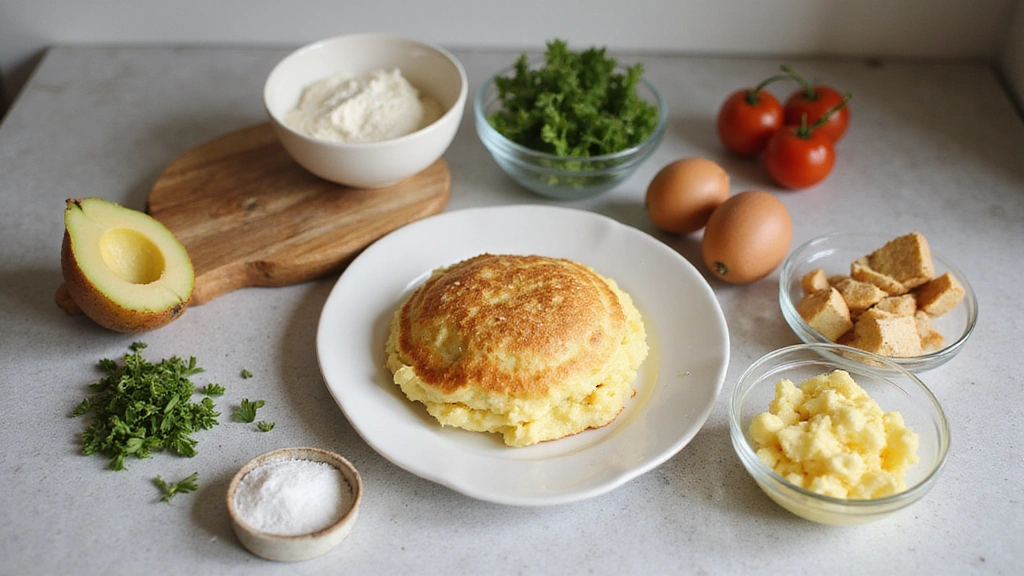
Start by collecting all necessary ingredients from your pantry and fridge.
Ensure you have leftover mashed potatoes chilled, as they are easier to handle.
Double-check that you have fresh green onions for added flavor.
Having everything ready will make the cooking process smoother.
Step 2: Prepare the Mixture
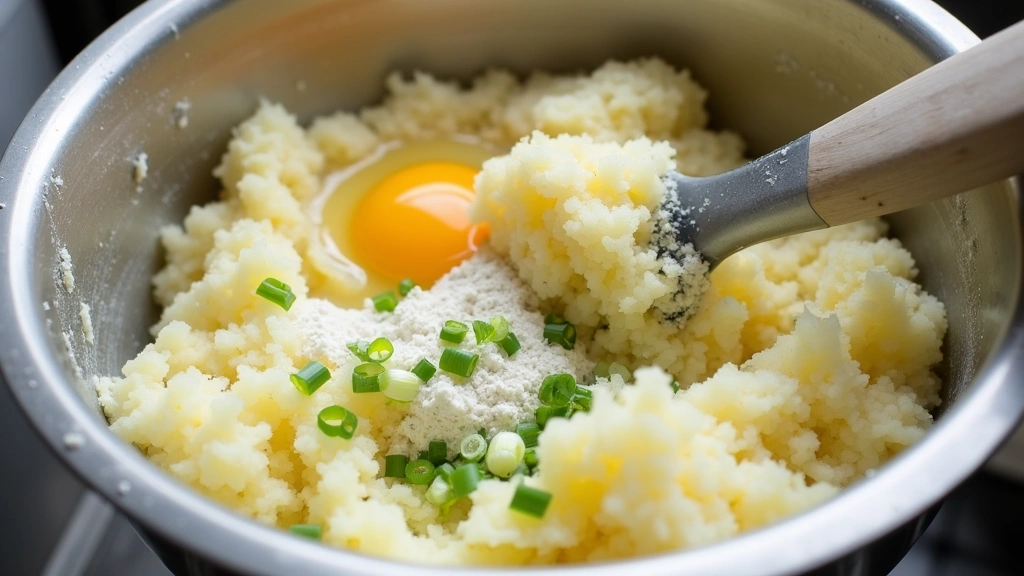
In a large mixing bowl, combine the cold mashed potatoes and flour.
Crack in the egg and add chopped green onions, salt, and pepper.
Use a potato masher to mix everything until well combined.
The mixture should be smooth but firm enough to form into patties.
Step 3: Shape the Patties
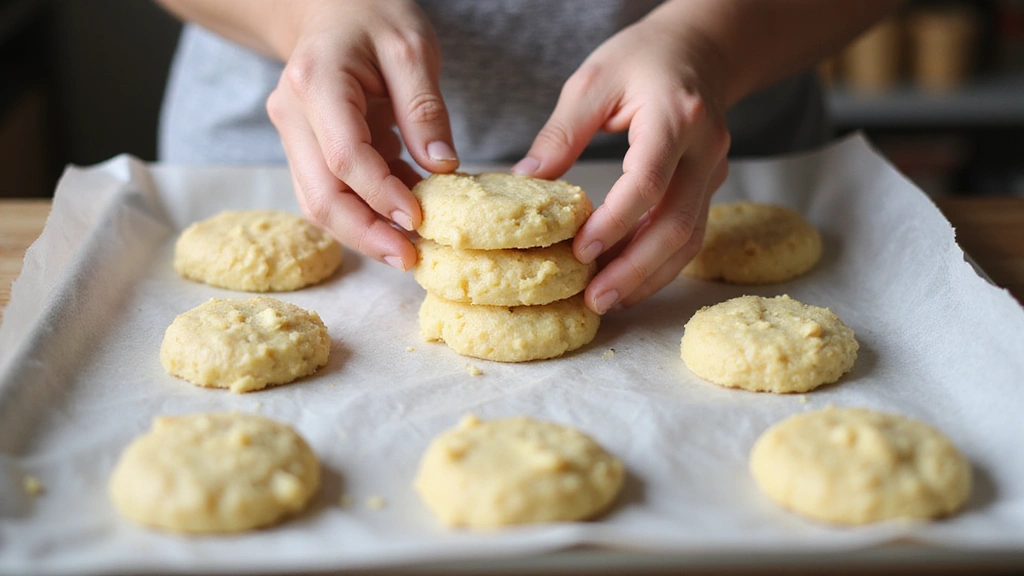
Take a small handful of the potato mixture and shape it into a patty.
Aim for a uniform size to ensure even cooking.
Place formed patties on a parchment-lined tray to prevent sticking.
Repeat until all the mixture is used up.
Step 4: Heat the Skillet
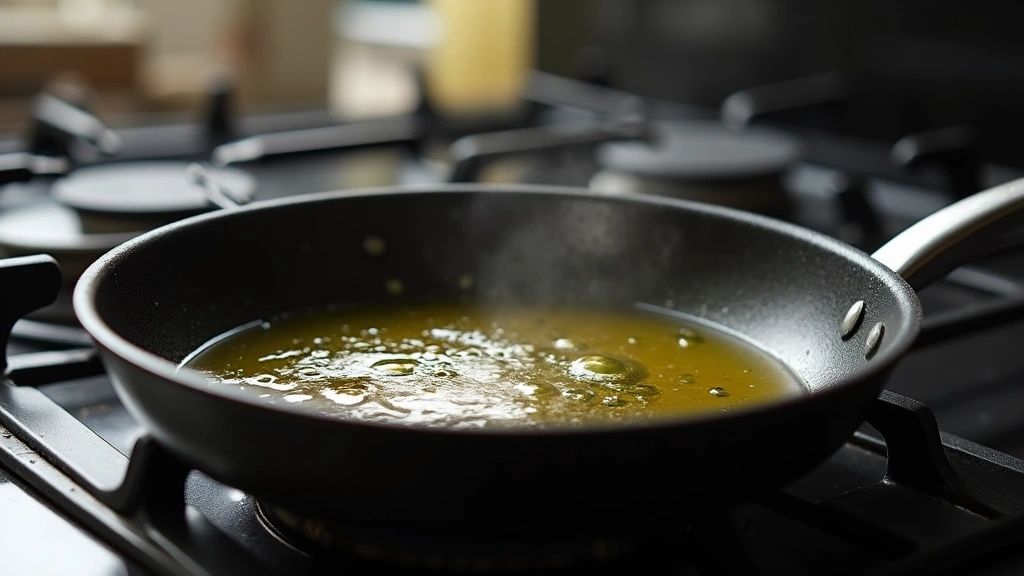
Place a non-stick skillet on medium heat and add olive oil.
Allow the oil to heat until it shimmers but does not smoke.
Proper heating ensures the patties will fry evenly with a crispy crust.
Adjust the heat if necessary to maintain a consistent temperature.
Step 5: Fry the Patties
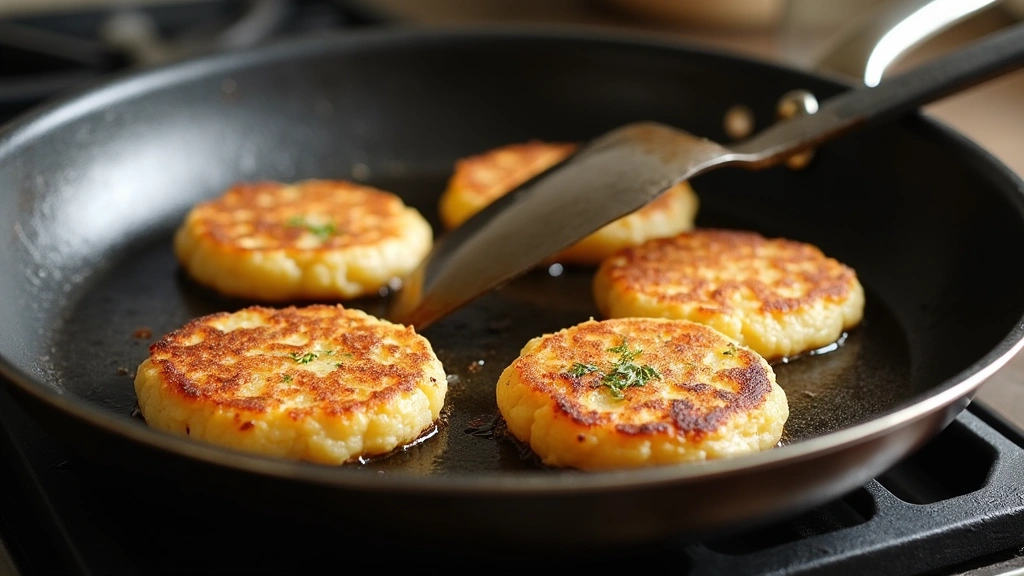
Carefully place the patties into the hot skillet without overcrowding.
Fry for about 3-4 minutes on each side, until golden brown.
Use a spatula to gently flip each patty only once.
Watch for a crispy, golden exterior as an indicator of doneness.
Step 6: Drain Excess Oil
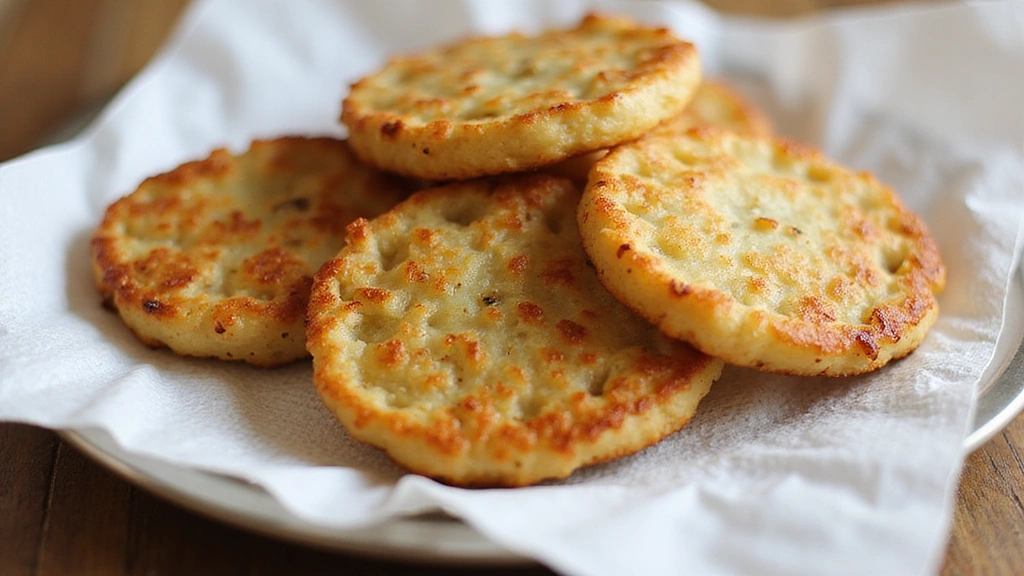
Once fried, remove patties from the skillet and place them on a paper towel-lined plate.
The paper towels will absorb excess oil, keeping the patties crisp.
Allow them to cool slightly before serving.
This step ensures a non-greasy finish.
Step 7: Serve
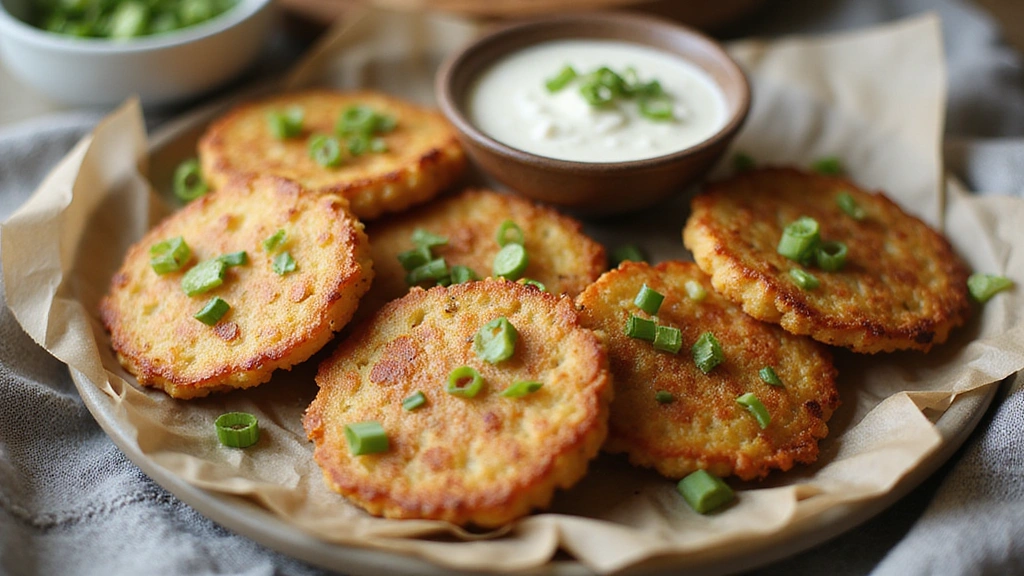
Arrange the potato pancakes on a serving platter.
Garnish with additional chopped green onions for a fresh look.
Serve with a side of sour cream or applesauce for dipping.
Enjoy the crispy exterior and tender interior of your creation.
Step 8: Clean Up
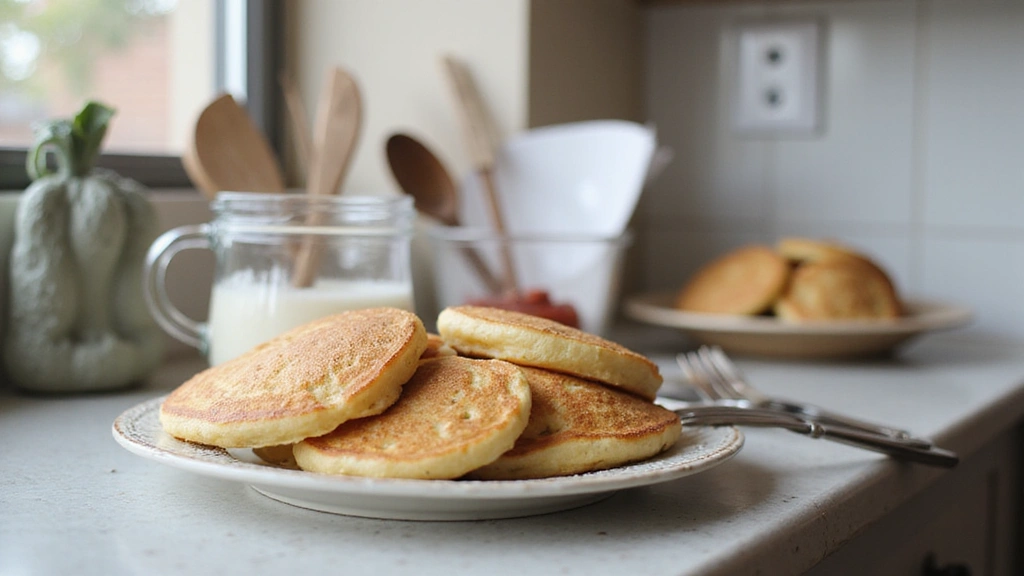
After enjoying the meal, clean up the cooking area.
Wash and dry all used equipment and utensils.
Store any leftover pancakes in an airtight container in the fridge.
Proper storage extends their shelf life, making them a convenient snack later.
Critical Timing and Temperature Guide
Frying: Fry patties for 3-4 minutes on each side at medium heat. Look for a golden brown color. Avoid overcrowding the pan to ensure even cooking.
Mixing: Mix ingredients until just combined to avoid overworking the mixture, which can lead to dense pancakes. Ensure ingredients are evenly distributed.
Cooling: Allow patties to cool on paper towels for at least 2 minutes to drain excess oil. This step is crucial for maintaining crispness.
Pro Tips for Recipes Using Leftover
• Ingredient Selection: Use high-quality potatoes for the original mash; this enhances the flavor and texture in your leftover recipes.
• Preparation Secret: Let the mashed potatoes chill overnight; this helps them firm up, making them easier to work with.
• Temperature Management: Ensure the frying oil is hot enough; if not, the pancakes will absorb too much oil and become soggy.
• Texture Enhancement: For extra fluffiness, add a pinch of baking powder to the potato mixture.
• Flavor Layering: Incorporate herbs like parsley or thyme into the mix for an added depth of flavor.
• Make-Ahead Strategies: Shape patties and freeze them on a tray, then store in a zip-lock bag; cook from frozen for quick meals.
• Restaurant-Quality Finishing Touches: Before serving, sprinkle a pinch of flaky sea salt over the patties for a gourmet touch.
• Equipment Optimization: Use a food processor for even quicker mixing if you have one available.
Troubleshooting Common Issues
• Texture Too Dense: This occurs if the mixture is overworked. Mix ingredients gently and avoid over-mashing.
• Flavors Unbalanced: If the pancakes taste bland, ensure you are seasoning adequately with salt and pepper.
• Soggy Exterior: Make sure the oil is hot enough before adding patties. If they are soggy, try increasing the heat slightly.
• Breaking Apart: If patties fall apart in the skillet, add a bit more flour to the mixture for better binding.
• Overly Greasy: Use paper towels to properly drain the patties after frying. This step is often overlooked.
• Sticking to Pan: Ensure the skillet is well-oiled and fully heated before adding patties to prevent sticking.
Variations and Regional Differences
• Italian Style: This version includes Parmesan cheese and herbs like oregano, creating a Mediterranean flavor profile.
• Indian Aloo Tikki: Incorporate spices like cumin, coriander, and chili powder into the mixture for a warm, spicy twist.
• Irish Boxty: A traditional Irish variation that combines mashed with grated raw potatoes for added texture.
• American Hash Browns: Shred leftover mashed potatoes and fry them as hash browns, often served with breakfast.
Food Science Behind the Recipe
• Gelatinization of Starch: When potatoes are cooked and mashed, the starches gelatinize, which helps thicken and stabilize the mixture for frying.
• Maillard Reaction: The browning process during frying enhances flavor through the Maillard reaction, which is responsible for the complex, savory notes.
• Emulsification: The egg in the mixture acts as an emulsifier, helping to bind and stabilize the ingredients, ensuring even cooking.
Frequently Asked Questions
What's the most common mistake people make when preparing potato pancakes? Overmixing the potato mixture, leading to dense pancakes.
Can I use instant mashed potatoes? Yes, but the texture may be different. Adjust the flour content as needed.
How do I prevent the pancakes from falling apart? Ensure the mixture is cold and firm, and add more flour or egg if needed for binding.
Can these be made gluten-free? Yes, substitute the flour with a gluten-free blend or almond flour.
What other ingredients can I add for flavor? Consider adding cheese, bacon bits, or various herbs like chives or dill.
How long do leftover pancakes last? Stored in an airtight container, they last up to 3 days in the fridge.
Can these be baked instead of fried? Yes, bake at 400°F for 20 minutes, flipping halfway for even browning.
Serving and Presentation Guide
• Traditional Presentation: Serve with a dollop of sour cream and a sprinkle of fresh herbs on top.
• Modern Twist: Stack pancakes for height and drizzle with a balsamic glaze for a contemporary look.
• Casual Gathering: Arrange on a wooden board with various dipping sauces for an interactive appetizer.
• Simple Elegance: Serve on a white plate with a side of mixed greens for contrast.
Conclusion
Embrace the versatility of leftover mashed potatoes with these creative recipes.
Transforming leftovers into delicious dishes is both satisfying and sustainable.
Try out these ideas and discover the joy of reducing waste while enjoying new flavors.