

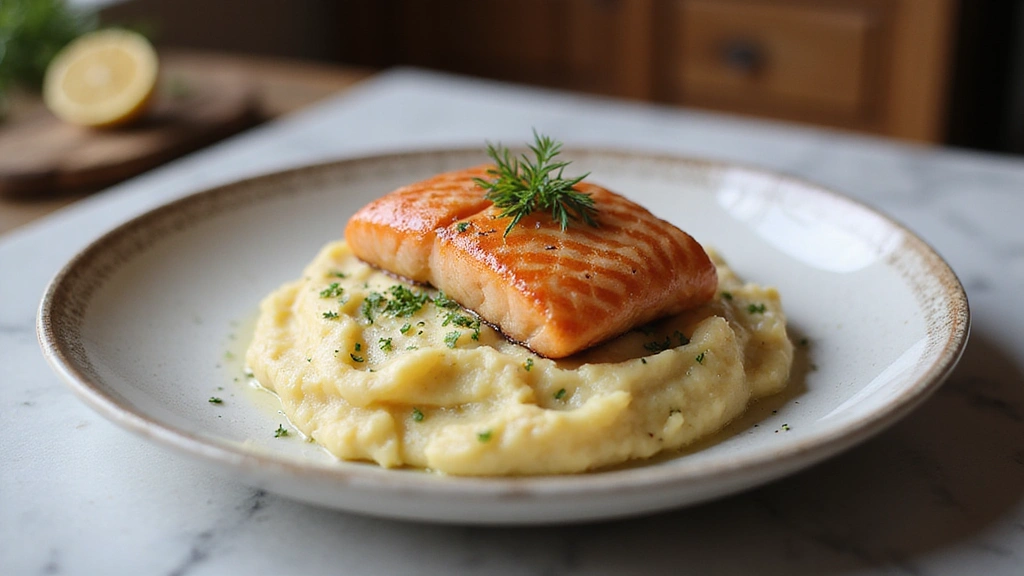
Salmon and Mashed Potatoes combine the rich flavors of fresh fish with the creamy comfort of potatoes.
This dish is a staple in many households, offering a balanced and delicious meal that’s perfect for any occasion.
I remember the first time I enjoyed this dish during a family gathering, and it has since become a beloved tradition in my home.
The flaky, tender salmon pairs beautifully with the smooth, buttery mashed potatoes, creating a harmony of taste and texture.
Whether you’re a seasoned chef or a kitchen novice, this recipe is straightforward and rewarding.
Perfect for a weeknight dinner or a more formal event, this dish is sure to impress your guests.
The History and Cultural Significance
• Salmon and Mashed traces its origins to Northern Europe, where it was originally created by coastal communities relying on local ingredients.
• The dish evolved over decades as agricultural techniques improved, allowing for more refined potato dishes and access to fresh fish.
• In Scandinavian culture, this dish traditionally appears at family gatherings and festive occasions, symbolizing abundance and hospitality.
• While many variations exist across different regions, the authentic version maintains a focus on fresh, high-quality salmon and creamy mashed potatoes that sets it apart from imitations.
Recipe Overview
Nutritional Information (per serving)
Essential Equipment Guide
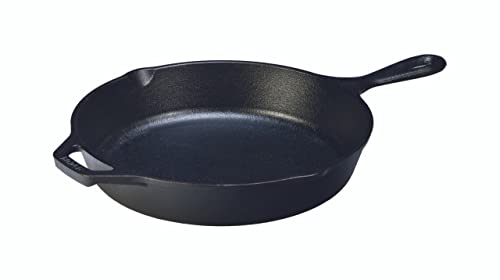
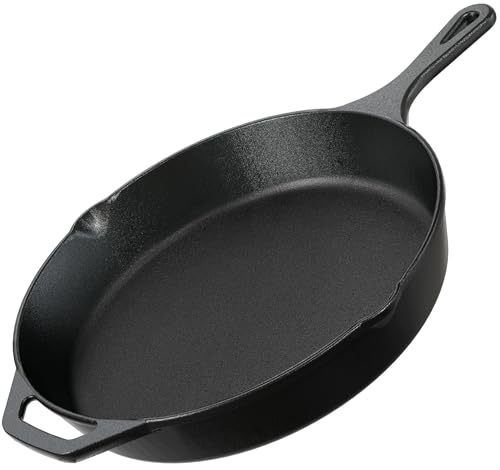
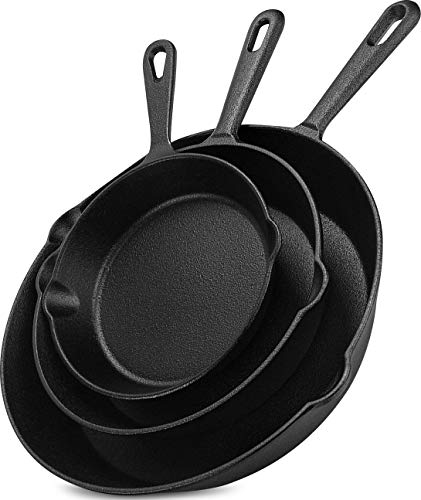
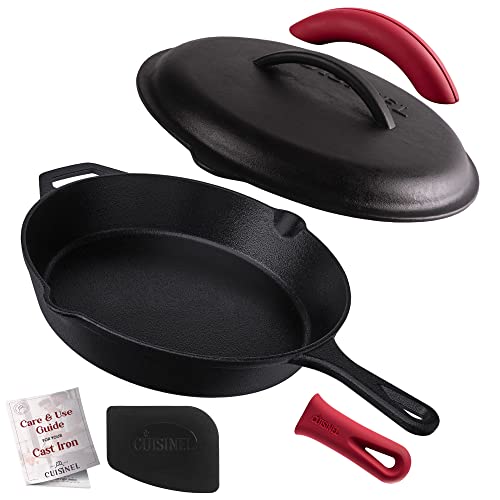
Non-stick Skillet: A non-stick skillet is essential for cooking the salmon to achieve a perfectly crispy skin without sticking. Alternatives like cast iron or stainless steel can work, but may require more oil. Look for a skillet with even heat distribution.
Potato Masher: A good potato masher helps achieve the desired creamy texture in your mashed potatoes. If unavailable, a fork or a ricer can be used, though they may require more effort. Choose a masher with a comfortable grip.
Fish Spatula: This tool is crucial for flipping the salmon without breaking it. A regular spatula can be used but may not be as effective. Opt for a spatula with a thin, flexible edge.


Ingredients
For the Salmon
|
|
| Amount | Ingredient | Notes |
|---|---|---|
| 4 fillets | salmon | skin-on, about 6 ounces each |
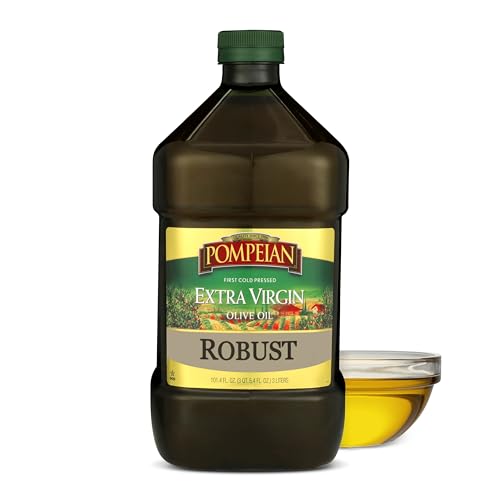
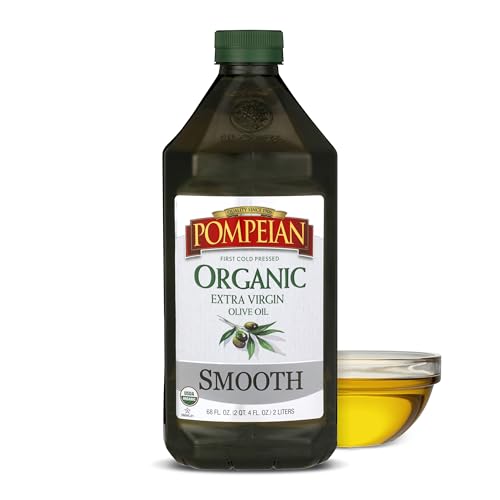
| 1 tablespoon | olive oil | for frying |
| 1 teaspoon | salt | to taste |
| 1/2 teaspoon | black pepper | freshly ground |
For the Mashed Potatoes
| Amount | Ingredient | Notes |
|---|---|---|
| 2 pounds | potatoes | peeled and quartered |
| 4 tablespoons | butter | unsalted, adds richness |
| 1/2 cup | milk | warmed, for creamy texture |
| 1 teaspoon | salt | to taste |
For Garnishing
| Amount | Ingredient | Notes |
|---|---|---|
| 1 tablespoon | parsley | chopped, for freshness |


Preparation Methods
Pan-searing: This technique involves cooking the salmon at high heat to achieve a crispy skin while keeping the inside moist. It's crucial for texture and flavor. Mastery can be achieved by ensuring the pan is hot before adding the fish and not moving the fish too early.
Mashing: Proper mashing of potatoes is essential for a creamy texture. It's important to mash while the potatoes are hot. Use a gentle hand to avoid making the potatoes gluey.
Simmering: This technique is used for cooking potatoes evenly. Keep the water at a gentle simmer to prevent them from breaking apart. Start with cold water to ensure even cooking.
Step 1: Prepare Ingredients
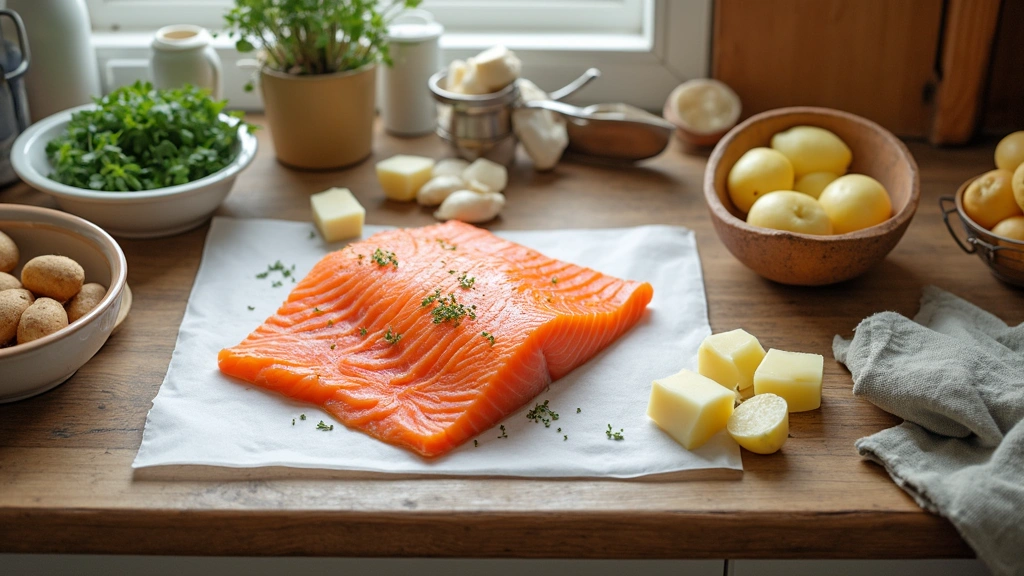
Gather all the ingredients and equipment.
Ensure the salmon fillets are pat dry with paper towels.
Peel and quarter the potatoes.
Chop the parsley for garnishing.
Step 2: Cook Potatoes
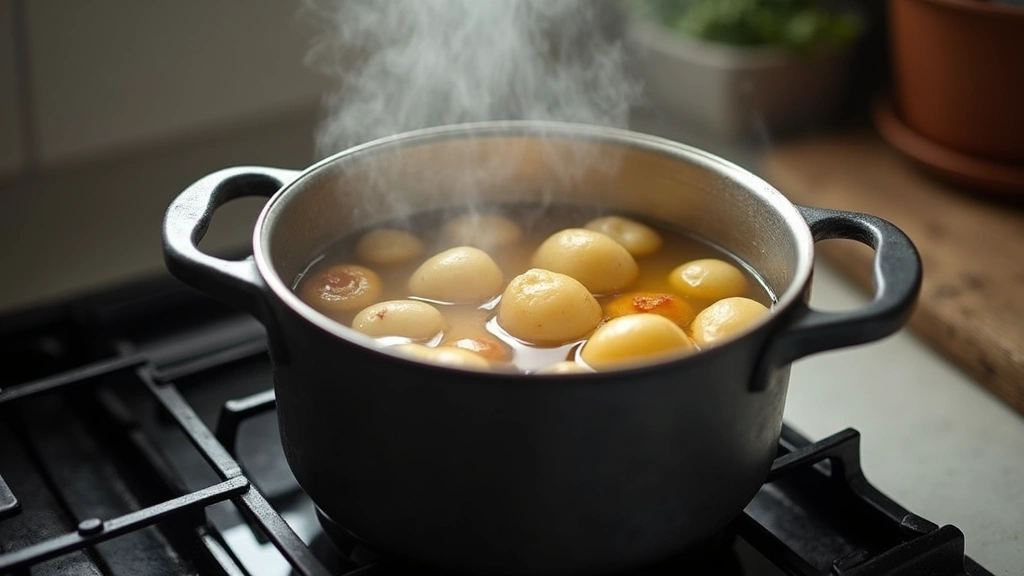
Place the quartered potatoes in a pot and cover with cold water.
Add a pinch of salt to the water.
Bring to a gentle simmer over medium heat.
Cook until potatoes are tender, about 15-20 minutes.
Step 3: Heat Skillet
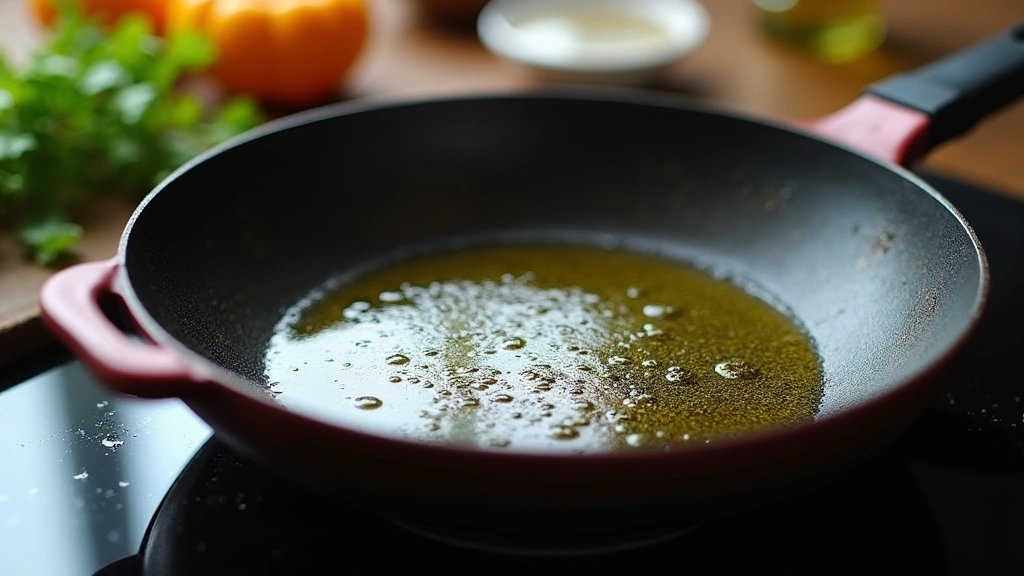
Heat a non-stick skillet over medium-high heat.
Add olive oil to the hot skillet.
Wait until the oil is shimmering.
Ensure the oil covers the bottom of the skillet evenly.
Step 4: Season Salmon
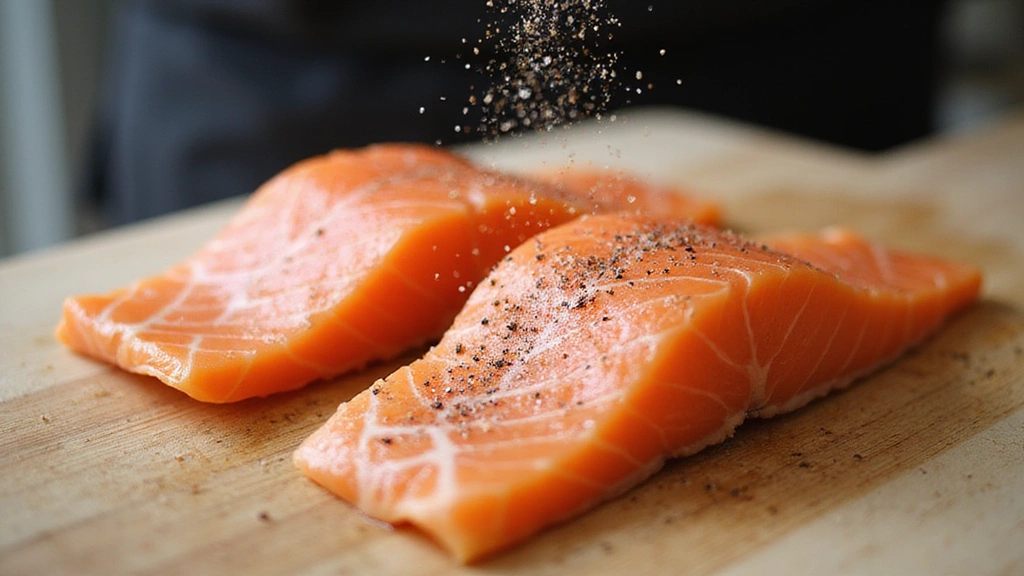
Season the salmon fillets with salt and freshly ground black pepper.
Ensure both sides are evenly coated.
Let the salmon rest for a few minutes to absorb the seasoning.
This will enhance the flavor profile.


Step 5: Sear Salmon
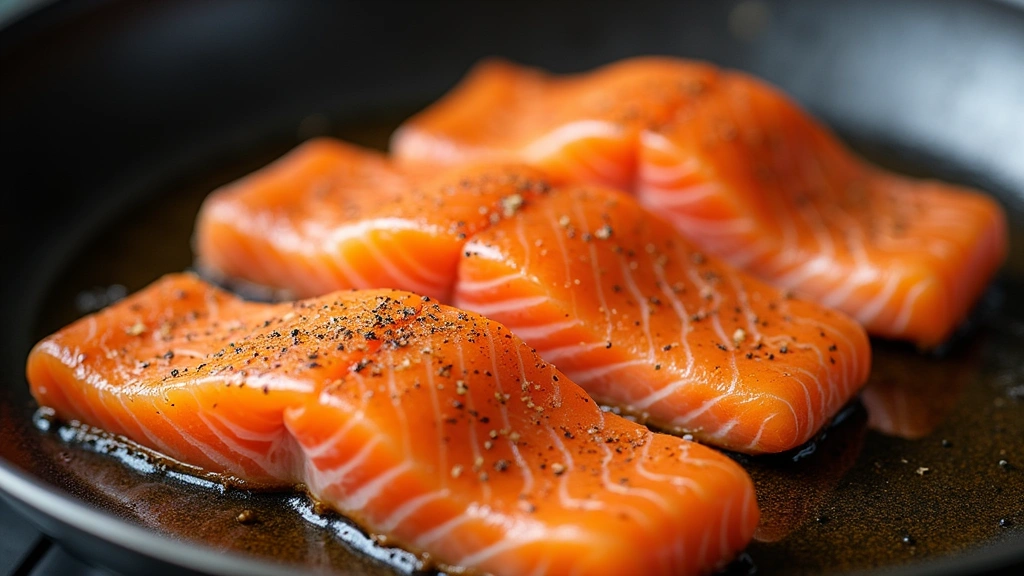
Place the salmon fillets skin-side down in the heated skillet.
Cook without moving for 4-5 minutes.
Check for a golden-brown crust forming on the skin.
Flip the fillets carefully and cook for another 2-3 minutes.
Step 6: Mash Potatoes
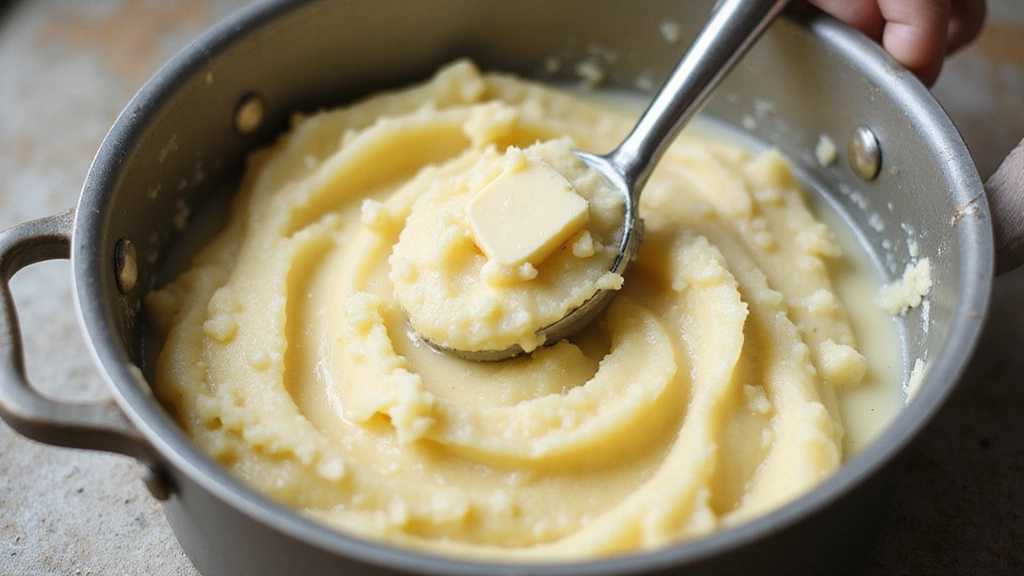
Drain the cooked potatoes and return them to the pot.
Add butter and warmed milk to the potatoes.
Mash until smooth and creamy.
Season with salt to taste and stir well.
Step 7: Plate the Dish
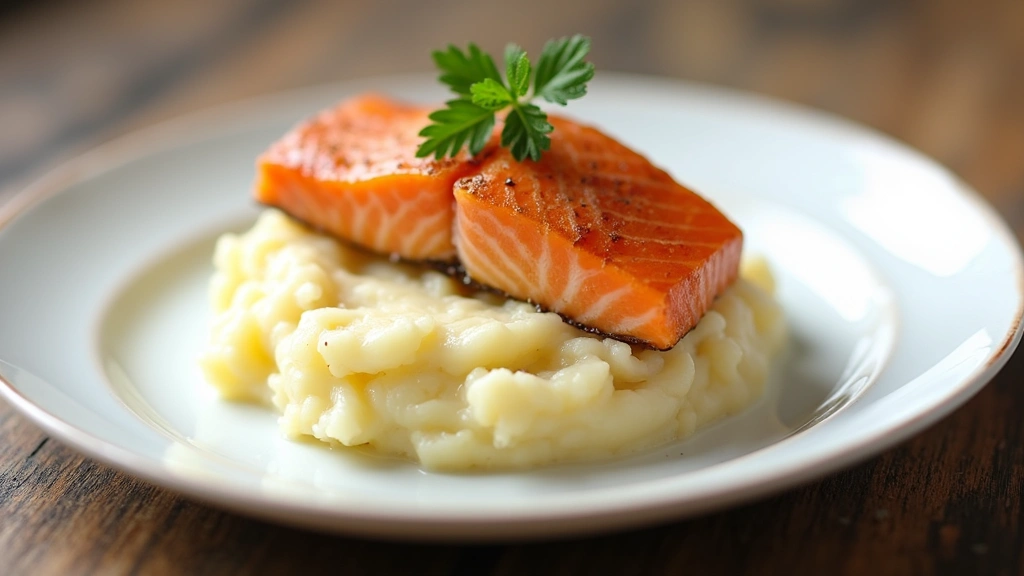
Spoon a portion of mashed potatoes onto each plate.
Place a salmon fillet on top of the potatoes.
Garnish with chopped parsley for a touch of color.
Serve immediately while hot.
Step 8: Clean Up
Allow the skillet to cool before washing.
Clean the kitchen area promptly.
Store any leftovers in an airtight container.
Refrigerate within two hours to maintain freshness.
Critical Timing and Temperature Guide
Salmon Searing: Cook at medium-high heat for 4-5 minutes skin-side down. Look for a golden crust. Avoid overcooking to prevent dryness.
Potato Simmering: Simmer for 15-20 minutes. Check tenderness with a fork. Avoid boiling too vigorously to prevent breaking.
Mashed Potatoes: Mash while hot for best texture. Avoid over-mixing to prevent gluey texture.
Pro Tips for Salmon and Mashed
• Ingredient Selection: Choose fresh, high-quality salmon for the best flavor. Look for fillets with firm flesh and bright color.
• Preparation Secret: Let the salmon come to room temperature before cooking for even heat distribution.
• Temperature Management: Ensure the skillet is properly preheated to prevent sticking and achieve a crispy skin.
• Texture Enhancement: Use a potato ricer for the fluffiest mashed potatoes if available.
• Flavor Layering: Add a splash of lemon juice to the salmon after cooking for a bright finish.
• Make-Ahead Strategies: Prepare mashed potatoes in advance and reheat gently with a bit of milk to restore creaminess.
• Restaurant-Quality Finishing Touches: Drizzle a bit of melted butter over the salmon before serving.
• Equipment Optimization: Use parchment paper in the skillet to help prevent sticking if not using a non-stick pan.
Troubleshooting Common Issues
• Salmon Sticking to Pan: This can be caused by insufficient preheating or lack of oil. Ensure the skillet is hot and oil is shimmering before adding salmon.
• Mashed Potatoes Too Gluey: Over-mixing can cause this. Mash gently and add liquids gradually.
• Skin Not Crispy: This might happen if the salmon is too wet. Pat the fillets dry thoroughly before cooking.
• Potatoes Undercooked: Ensure even sizing of potato pieces and start in cold water for uniform cooking.
• Lack of Flavor: Seasoning is key. Taste and adjust salt and pepper as needed during preparation.
Variations and Regional Differences
• Scandinavian Variation: This version often includes dill and mustard sauce for added flavor.
• British Style: In the UK, this dish might be served with a side of peas and a lemon wedge.
• American Twist: Some American versions incorporate garlic and chives into the mashed potatoes for extra flavor.
• Asian Influence: In some Asian interpretations, soy sauce and ginger are used to season the salmon.


Food Science Behind the Recipe
• Maillard Reaction: This chemical reaction is responsible for the browning and flavor development in the salmon’s crispy skin.
• Starch Gelatinization: This process is crucial in mashed potatoes, as the heat breaks down starches to create a creamy texture.
• Protein Coagulation: Proper cooking of salmon involves the coagulation of proteins, ensuring the flesh remains tender yet firm.
Frequently Asked Questions
What's the most common mistake people make when preparing Salmon and Mashed Potatoes? Overcooking the salmon, which can lead to dryness and loss of flavor.
How can I ensure my mashed potatoes are fluffy? Use a potato ricer and avoid over-mixing to maintain a light texture.
Can I use sweet potatoes instead? Yes, sweet potatoes can be a delicious alternative, offering a different flavor profile.
How do I know when the salmon is cooked? The flesh should be opaque and easily flake with a fork.
Is it necessary to remove the skin from the salmon? No, the skin helps protect the salmon and adds flavor when cooked properly.
What's the best way to reheat leftovers? Gently reheat in a skillet with a bit of water or broth to prevent drying out.
Can I grill the salmon instead? Absolutely, grilling can impart a smoky flavor that pairs well with the dish.
Serving and Presentation Guide
• Traditional Presentation: Serve the salmon fillet on a bed of mashed potatoes, garnished with parsley and a lemon wedge on the side.
• Rustic Style: Present the dish on a wooden board with scattered herbs for a casual feel.
• Modern Plating: Create a neat quenelle of mashed potatoes with the salmon angled over top for a restaurant-style appearance.
• Family-Style Serving: Serve in large platters, allowing guests to help themselves.



Conclusion
Salmon and Mashed Potatoes is a timeless dish that combines simplicity with elegance.
Its rich flavors and comforting textures make it a favorite for any occasion.
Try this recipe and experience the delightful balance of flavors in your own kitchen.
You're sure to impress family and friends with this delicious meal.