

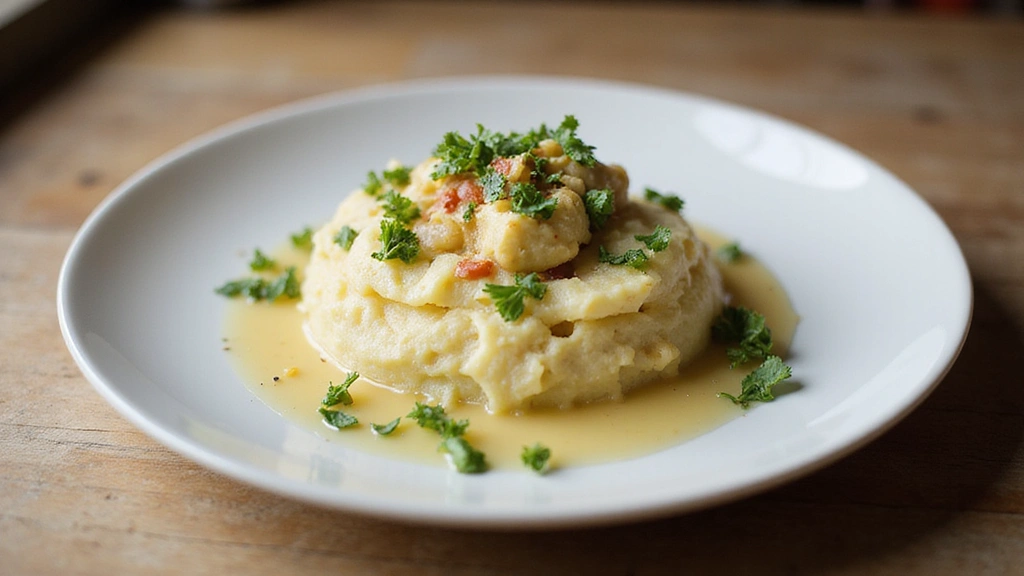
Mashed potatoes are the ultimate comfort food, a creamy and velvety dish that brings warmth to any meal.
Their buttery richness and smooth texture make them a versatile base for a variety of pairings.
I fell in love with mashed potatoes during cold winter evenings, when their hearty presence made every dinner feel like a special occasion.
The mild, yet rich flavor profile allows them to complement both delicate and robust flavors effortlessly.
Whether paired with a savory roast or a tangy vegetable dish, mashed potatoes elevate the dining experience to new heights.
The History and Cultural Significance
• Mashed potatoes trace their origins to the Andes region, where the potato was first cultivated by the Incas.
• The dish evolved over decades as European settlers incorporated butter and milk, eventually becoming the beloved version we know today.
• In the United States, mashed potatoes traditionally appear at Thanksgiving and Christmas dinners, symbolizing abundance and comfort.
• While many variations exist across different regions, the authentic version maintains a creamy texture and buttery flavor that sets it apart from imitations.
Recipe Overview
Nutritional Information (per serving)
Essential Equipment Guide
Potato Masher: A potato masher is crucial for achieving the perfect creamy texture without overworking the starches, which can make the potatoes gluey. A ricer can be an alternative, providing even smoother results.
Heavy-Bottomed Pot: A heavy-bottomed pot ensures even cooking and prevents the potatoes from burning or sticking. Look for one with a thick base and good heat distribution.
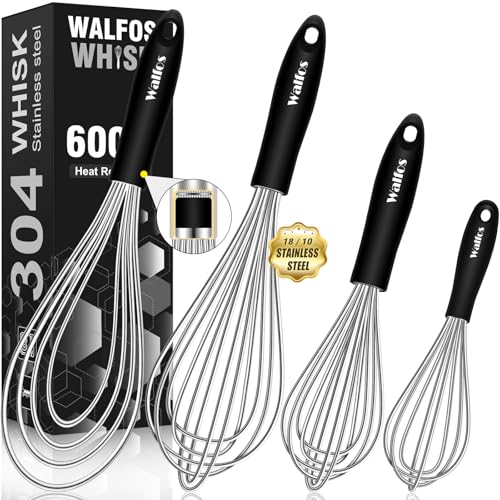
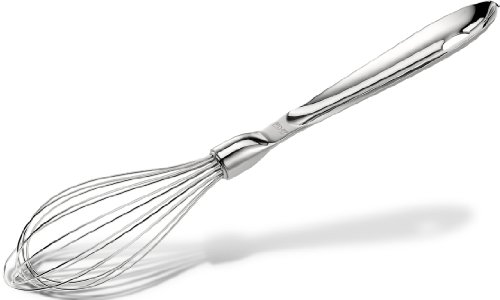
Whisk: A whisk is essential for incorporating butter and milk into the potatoes, ensuring a fluffy and airy consistency. An electric mixer can be used, but be cautious not to overmix.


Ingredients
For the Potatoes
|
|
| Amount | Ingredient | Notes |
|---|---|---|
| 2 pounds | russet potatoes | peeled and chopped into even pieces |
| 1 teaspoon | salt | for boiling water |
For the Creaminess
| Amount | Ingredient | Notes |
|---|---|---|
| 4 tablespoons | butter | unsalted, adds richness |
| 1 cup | whole milk | warmed, for creaminess |
Seasonings
| Amount | Ingredient | Notes |
|---|---|---|
| 1 teaspoon | salt | to taste |
| 1/2 teaspoon | black pepper | freshly ground, to taste |


Preparation Methods
Boiling: Boiling is the first step to achieving perfectly cooked potatoes. It ensures the potatoes are soft enough to mash without developing a gluey texture. Use enough water to cover the potatoes completely and season with salt.
Mashing: Mashing is a technique used to break down the potatoes into a smooth consistency. Avoid overworking the potatoes to prevent them from becoming sticky. Use a gentle pressing motion with a masher or ricer.
Whisking: Whisking incorporates air and creates a fluffy texture in the mashed potatoes. Add butter and milk gradually, whisking thoroughly for a light and creamy result.
Step 1: Prepare Ingredients
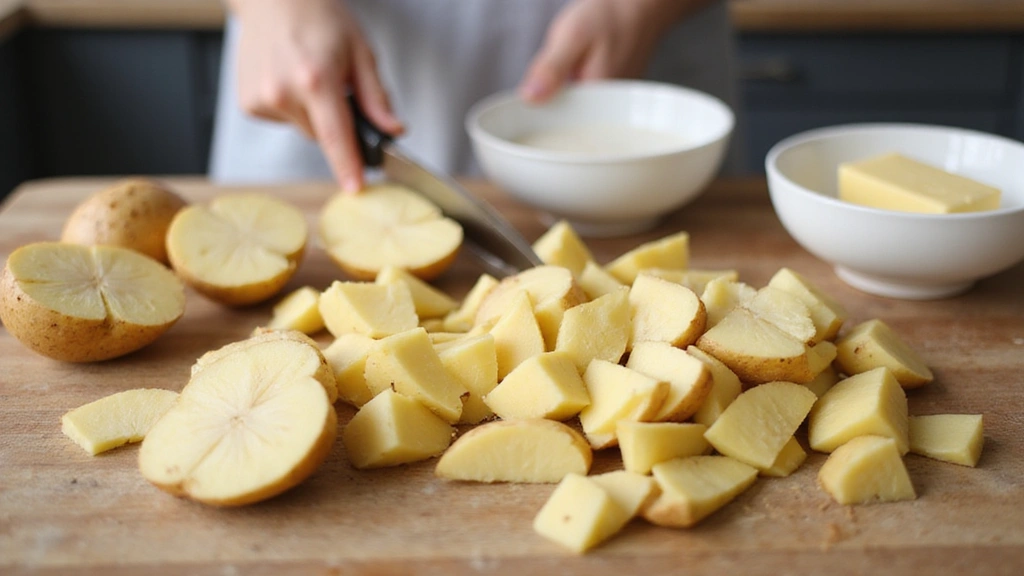
Peel the potatoes and chop them into uniform pieces.
Gather all other ingredients and have them ready to use.
Ensure the butter is at room temperature for easier incorporation.
Measure out the milk and warm it gently to prevent shocking the potatoes.
Step 2: Boil the Potatoes
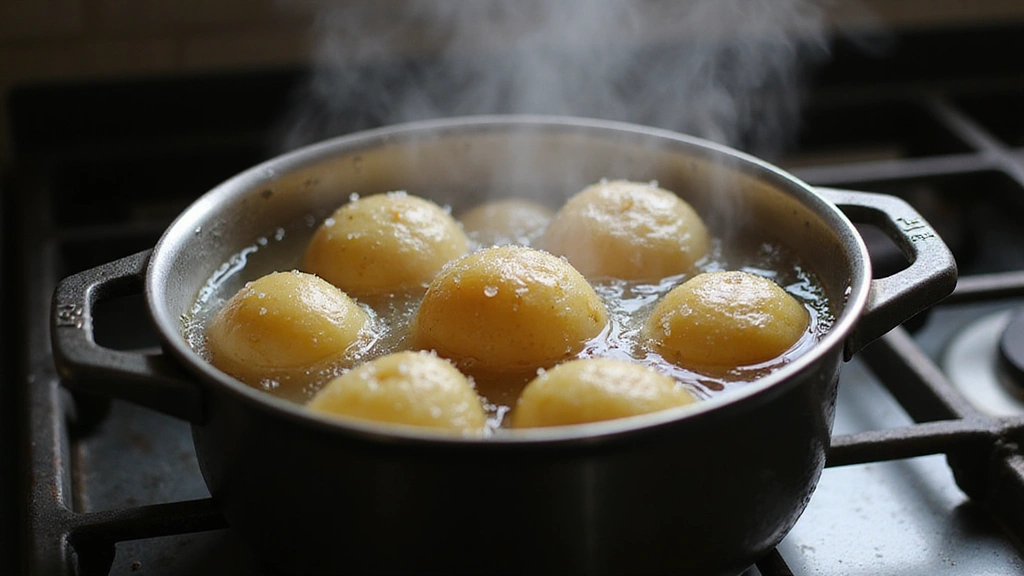
Place the chopped potatoes into a large pot and cover with cold water.
Add a teaspoon of salt to the water.
Bring the water to a boil over medium-high heat.
Simmer until the potatoes are fork-tender, about 15-20 minutes.
Step 3: Drain and Dry Potatoes
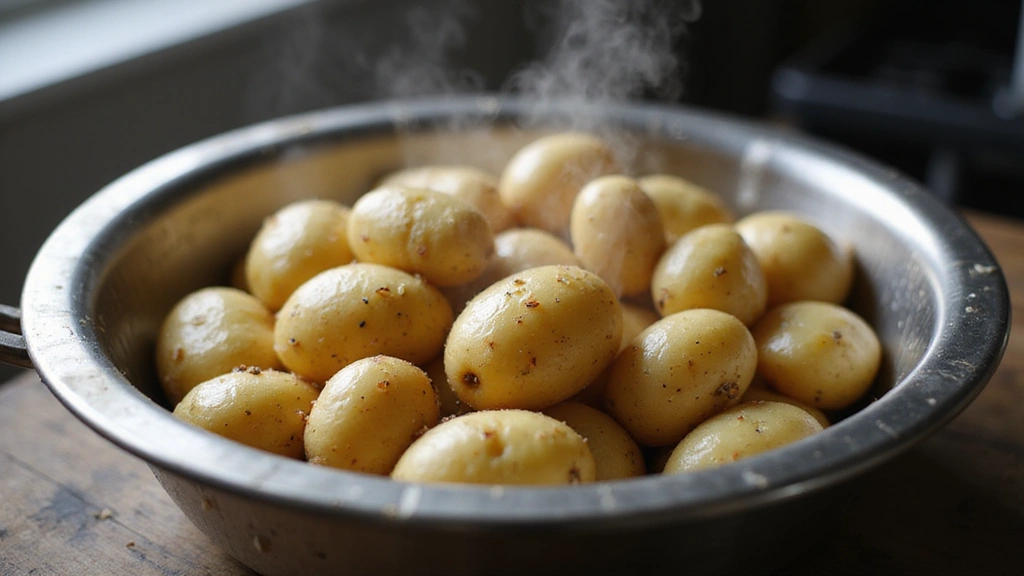
Once cooked, drain the potatoes in a colander.
Let them sit for a minute to allow excess water to evaporate.
Return the potatoes to the pot over low heat.
Stir gently for a minute to remove any remaining moisture.
Step 4: Mash the Potatoes
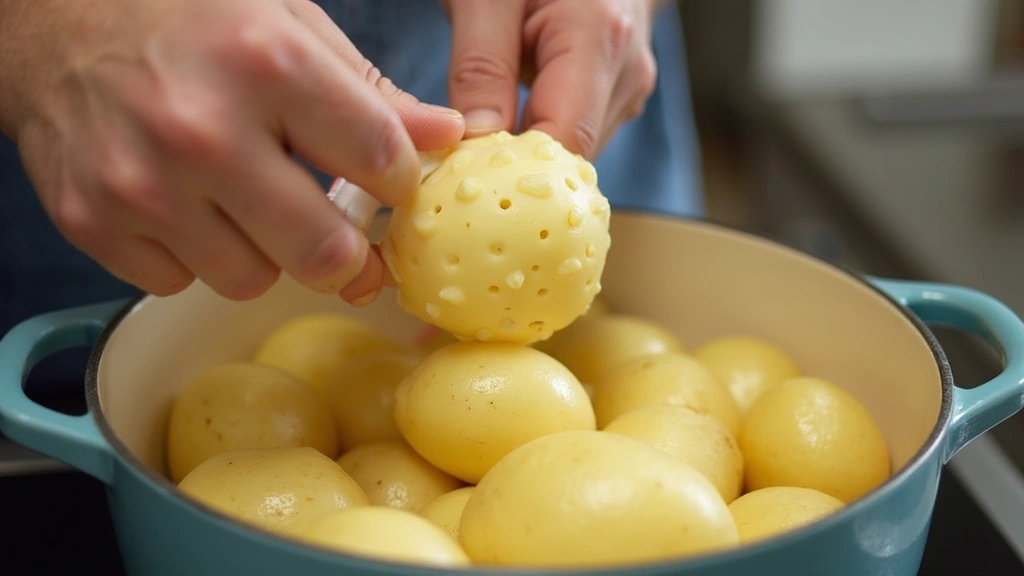
Use a potato masher to begin mashing the potatoes directly in the pot.
Press down gently and evenly for a smooth texture.
Avoid overworking to prevent a gummy consistency.
Continue until most lumps are gone.

Step 5: Add Butter and Milk
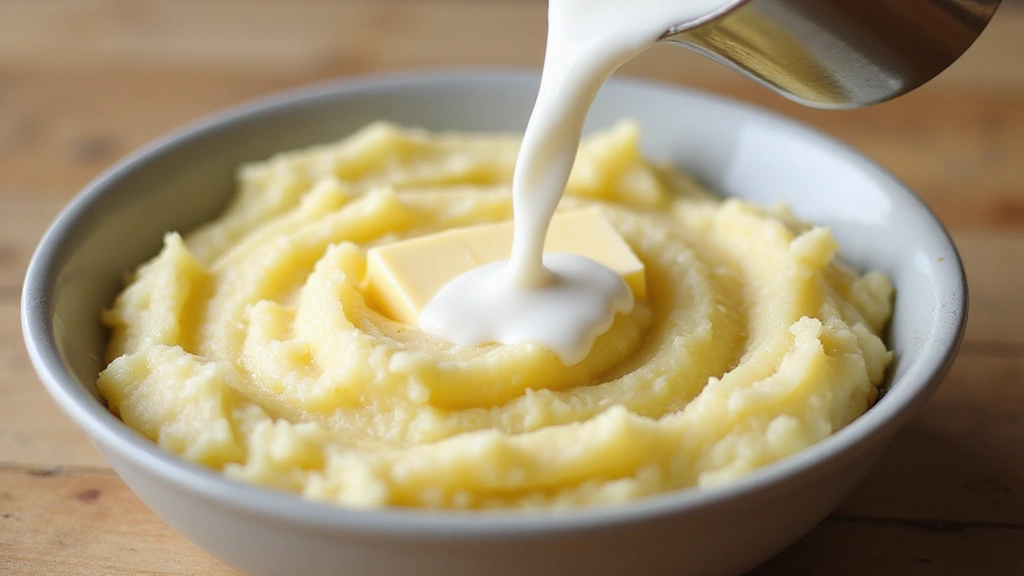
Add the room-temperature butter to the mashed potatoes.
Pour in the warmed milk gradually.
Stir gently to combine, ensuring the butter melts evenly.
Adjust the consistency with more milk if needed.
Step 6: Season to Taste
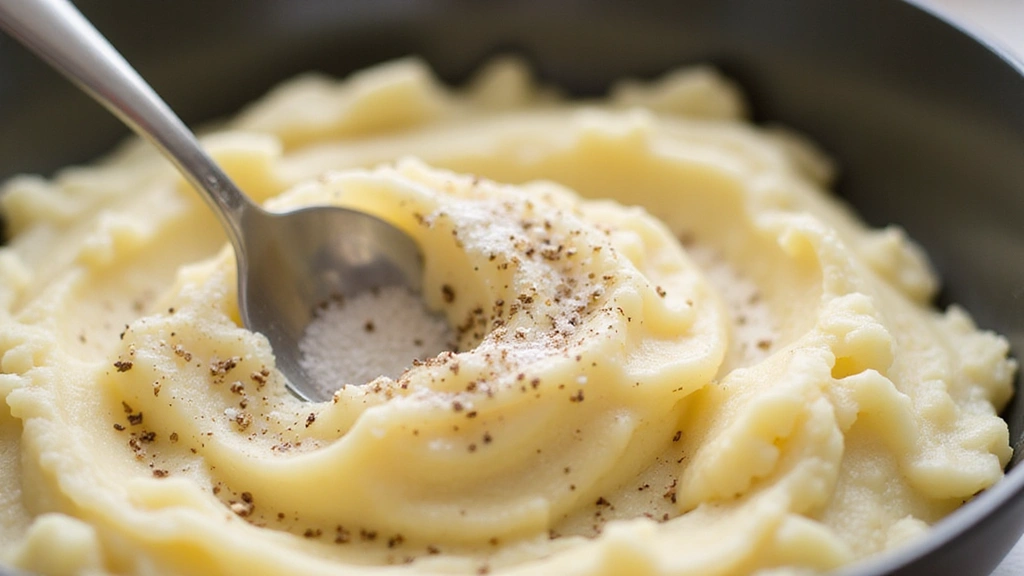
Add salt and freshly ground black pepper to the mashed potatoes.
Stir to incorporate the seasonings evenly.
Taste and adjust the seasoning as required.
Ensure the flavor is balanced and to your liking.


Step 7: Whisk for Fluffiness
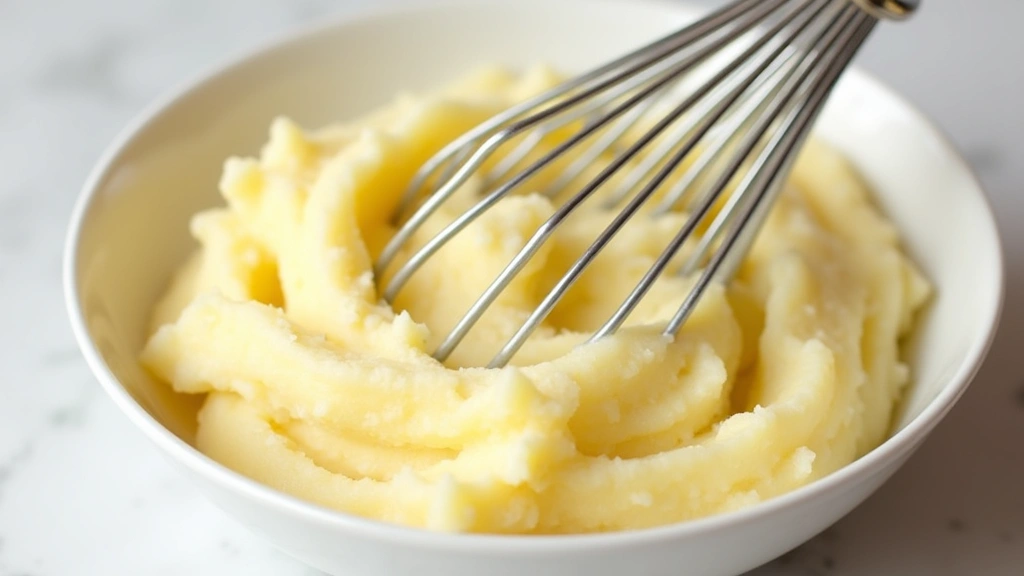
Use a whisk to incorporate additional air into the mashed potatoes.
Whisk until the mixture is light and fluffy.
Avoid over-whisking which can lead to a gluey texture.
The potatoes should look smooth and airy.
Step 8: Serve Immediately
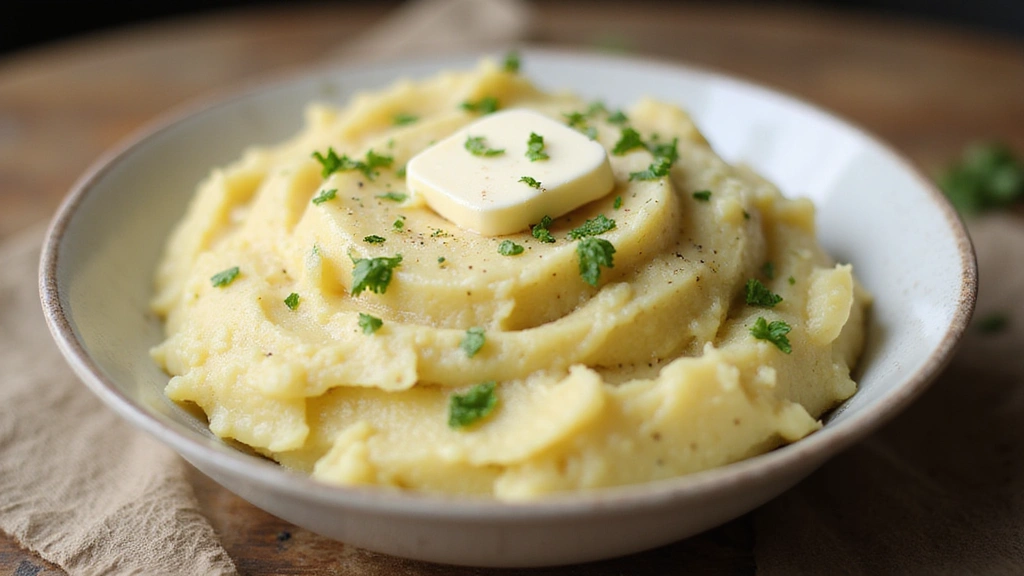
Transfer the mashed potatoes to a serving bowl.
Garnish with a pat of butter and a sprinkle of fresh herbs if desired.
Serve hot alongside your chosen main dish.
Enjoy the creamy and comforting flavors.


Critical Timing and Temperature Guide
Boiling Potatoes: Boil for 15-20 minutes until fork-tender. Avoid overcooking which can lead to waterlogged potatoes.
Incorporating Butter and Milk: Ensure butter is room temperature and milk is gently warmed. Cold ingredients can shock the potatoes and affect texture.
Whisking: Whisk until light and fluffy. Over-whisking can cause potatoes to become gluey. Aim for smooth, airy consistency.
Pro Tips for What to Eat
• Ingredient Selection: Choose russet potatoes for their high starch content, which yields a fluffier mash. Avoid waxy potatoes which can become gluey.
• Preparation Secret: Allow potatoes to dry after draining to eliminate excess moisture, enhancing texture.
• Temperature Management: Use warm milk and room-temperature butter for seamless integration and smooth consistency.
• Texture Enhancement: Whisk in a circular motion to incorporate air and achieve a light, fluffy texture.
• Flavor Layering: Add roasted garlic or cheese for an additional layer of flavor that complements the creamy base.
• Make-Ahead Strategies: Prepare mashed potatoes up to a day ahead, reheating gently with additional milk to restore creaminess.
• Restaurant-Quality Finishing Touches: Finish with a drizzle of garlic-infused oil or a sprinkle of chives for a professional touch.
• Equipment Optimization: Use a heavy-bottomed pot for even cooking and a potato masher for the best texture.


Troubleshooting Common Issues
• Texture Too Gluey: This is often caused by over-mixing or using the wrong type of potatoes. Use a masher instead of an electric mixer and select high-starch potatoes for mashing.
• Flavors Unbalanced: If the potatoes taste bland, adjust the seasoning with salt and pepper. Consider adding a splash of vinegar for a subtle tang.
• Potatoes Not Creamy: Ensure butter and milk are at the right temperature. Cold ingredients can prevent a smooth, creamy result.
• Potatoes Too Watery: This can result from under-drying after boiling. Allow the potatoes to steam dry in the colander before mashing.
• Mashed Potatoes Too Lumpy: Mash the potatoes while they are still hot, as cooler potatoes can become difficult to mash smoothly.
Variations and Regional Differences
• Irish Champ: This version includes chopped scallions and milk, creating a fresh, onion-flavored dish popular in Ireland.
• French Pommes Purée: A luxurious version with a higher butter-to-potato ratio, resulting in an incredibly smooth and rich texture.
• American Loaded Mashed Potatoes: Includes mix-ins like bacon, cheddar cheese, and chives for a hearty, flavorful side.
• Indian Masala Mash: Features spices like cumin and turmeric, offering a unique twist with aromatic flavors.
Food Science Behind the Recipe
• Starch Gelatinization: The cooking process allows starches in potatoes to gelatinize, creating a creamy texture when mashed.
• Emulsification: The process of incorporating butter and milk creates a stable emulsion, contributing to the smoothness of the mash.
• Maillard Reaction: While not directly applicable in this recipe, browning butter before adding can introduce complex flavors through the Maillard reaction.


Frequently Asked Questions
What's the most common mistake people make when preparing mashed potatoes? Overmixing the potatoes, which can lead to a gluey texture, is a common mistake. Use a gentle mashing technique and avoid electric mixers.
Can I use a different type of potato? While russet potatoes are ideal, Yukon Golds can be used for a buttery flavor, though they may result in a denser mash.
How can I make the potatoes ahead of time? Prepare them up to a day in advance and reheat gently with added milk or cream to restore their creamy consistency.
What can I add for extra flavor? Roasted garlic, cheese, or herbs like thyme and chives can enhance the flavor profile of mashed potatoes.
Can I freeze mashed potatoes? Yes, but they may lose some texture. Thaw in the refrigerator and reheat gently, stirring in milk or cream to regain creaminess.
How do I fix lumpy mashed potatoes? Pass them through a ricer or mash them thoroughly while still hot to achieve a smoother texture.
Is it okay to leave the skins on? Leaving skins on adds texture and nutrients, but be sure to scrub them clean before cooking if you choose this approach.
Serving and Presentation Guide
• Traditional Presentation: Serve mashed potatoes in a warm bowl, garnished with a pat of butter and a sprinkle of fresh herbs like parsley or chives.
• Rustic Style: Serve with a few lumps for a hearty, homemade feel, topped with crispy bacon bits and shredded cheese.
• Gourmet Touch: Pipe the mashed potatoes onto the plate for a refined look, drizzling with truffle oil and garnishing with microgreens.
• Family Style: Place in a large serving dish with a generous pat of butter melting in the center for a shared, communal dining experience.
Conclusion
Whether you're a novice cook or a seasoned chef, pairing mashed potatoes with your favorite dishes is sure to impress.
Their versatility and comforting nature make them a beloved staple in many cuisines.
Try this recipe at your next gathering and watch as it becomes a family favorite.
The art of making perfect mashed potatoes is within your reach, so dive in and enjoy the process.