

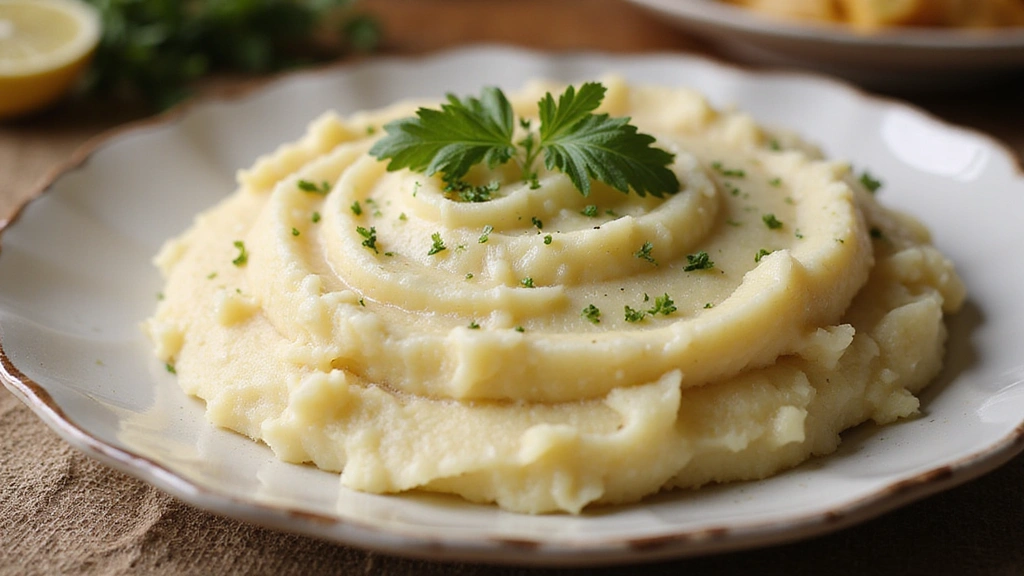
The classic Russet Mashed Potatoes brings together centuries of culinary tradition with modern techniques to create a dish that’s both comforting and elegant.
The harmonious balance of creamy texture and buttery flavor creates a memorable dining experience that will have everyone asking for your secret.
I discovered this recipe during a family Thanksgiving, where it was the star of the meal, perfected through generations of careful refinement.
Whether you’re preparing a casual family dinner or hosting a special celebration, these Russet Mashed Potatoes deliver impressive results with straightforward preparation.
The History and Cultural Significance
• Russet Mashed Potatoes traces its origins to North America in the 18th century, where it was originally created by European settlers using readily available local ingredients.
• The dish evolved over decades as butter and cream were introduced, eventually becoming the beloved version we know today.
• In American culture, this dish traditionally appears at Thanksgiving and Christmas dinners, symbolizing comfort and abundance.
• While many variations exist across different regions, the authentic version maintains a fluffy texture that sets it apart from imitations.
Recipe Overview
Nutritional Information (per serving)
Essential Equipment Guide
Potato Masher: A potato masher is crucial for achieving the classic fluffy texture without overworking the potatoes, which can make them gluey. While a ricer can be an alternative, look for a masher with a strong handle and a grid-patterned face for optimal results.
Large Pot: A large pot allows the potatoes to be boiled evenly without overcrowding, ensuring they cook through properly. If using an alternative, make sure it’s deep enough to cover the potatoes with water.
Hand Mixer: A hand mixer can be used for a smoother consistency. If you prefer a chunkier texture, a masher alone will suffice. Ensure the mixer has variable speed settings for better control.
Ingredients
For the Base
|
|
| Amount | Ingredient | Notes |
|---|---|---|
| 3 pounds | russet potatoes | peeled and cut into chunks |
| 1 cup | whole milk | warmed |
| 1/2 cup | unsalted butter | melted |
| 1 teaspoon | salt | enhances flavor |
Seasonings
| Amount | Ingredient | Notes |
|---|---|---|
| 1/2 teaspoon | black pepper | freshly ground |
| 2 tablespoons | chives | chopped, for garnish |
Preparation Methods
Peeling and Chopping: Properly peeling and evenly chopping the potatoes ensures they cook at the same rate, preventing some pieces from becoming mushy while others remain undercooked. Use a sharp peeler and aim for uniform chunks.
Boiling: Boiling the potatoes in salted water adds flavor from the start. Begin with cold water to ensure even cooking, and test with a fork for doneness.
Mashing: The key to fluffy mashed potatoes is to mash them while they are still hot, as cooled potatoes can become gluey. Use a light hand with a masher to avoid overworking them.
Step 1: Prepare Ingredients
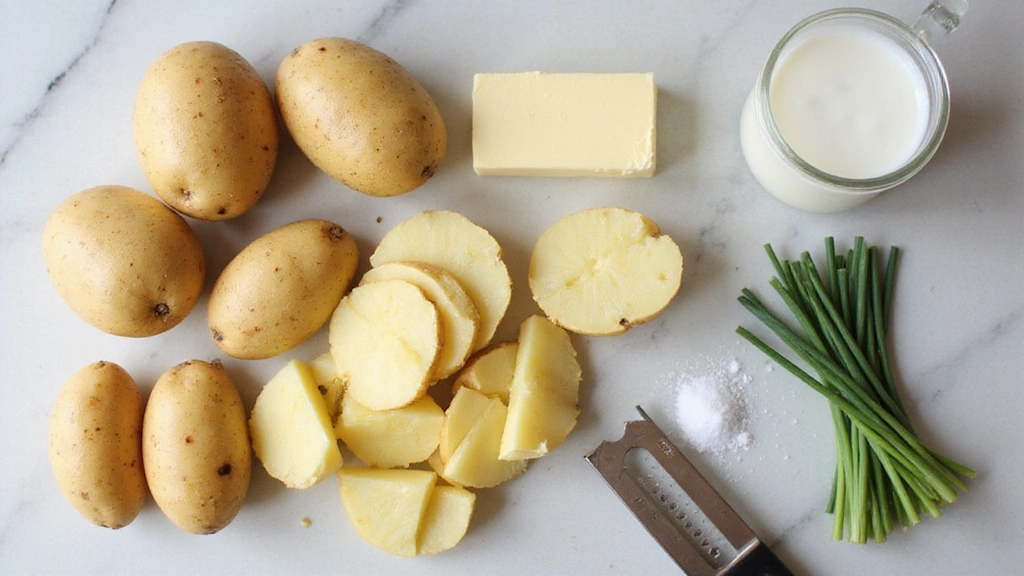
Peel the russet potatoes using a sharp vegetable peeler.
Cut the peeled potatoes into evenly sized chunks to ensure uniform cooking.
Gather all other ingredients and equipment to streamline the cooking process.
Check that the potatoes are smooth and free of blemishes.
Step 2: Boil Potatoes
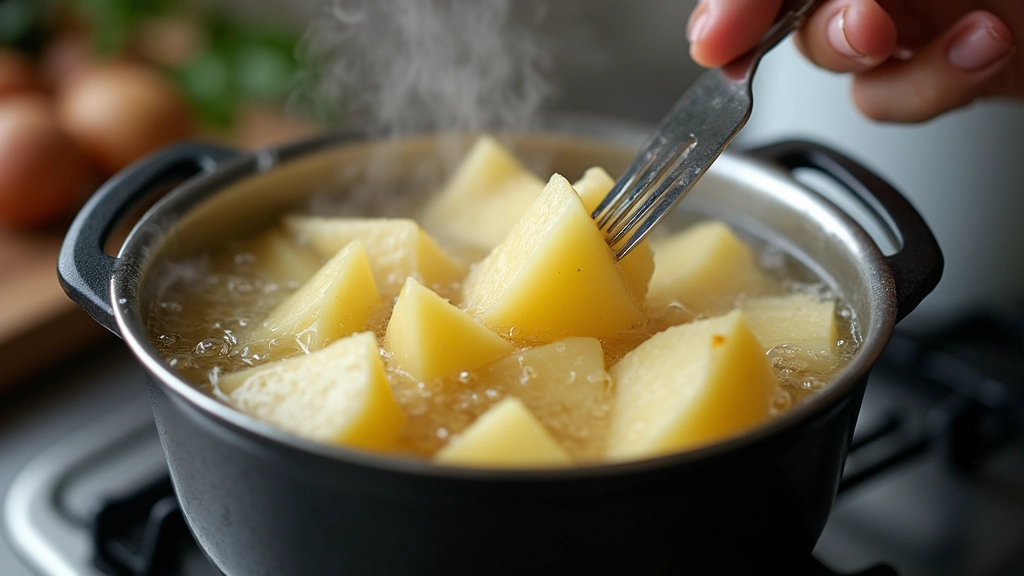
Place the potato chunks into a large pot and cover with cold water.
Add a teaspoon of salt to the water to enhance the flavor.
Bring the water to a boil over medium-high heat and cook until the potatoes are fork-tender.
Watch for the potatoes to become easily pierced with a fork without crumbling.
Step 3: Drain and Dry Potatoes
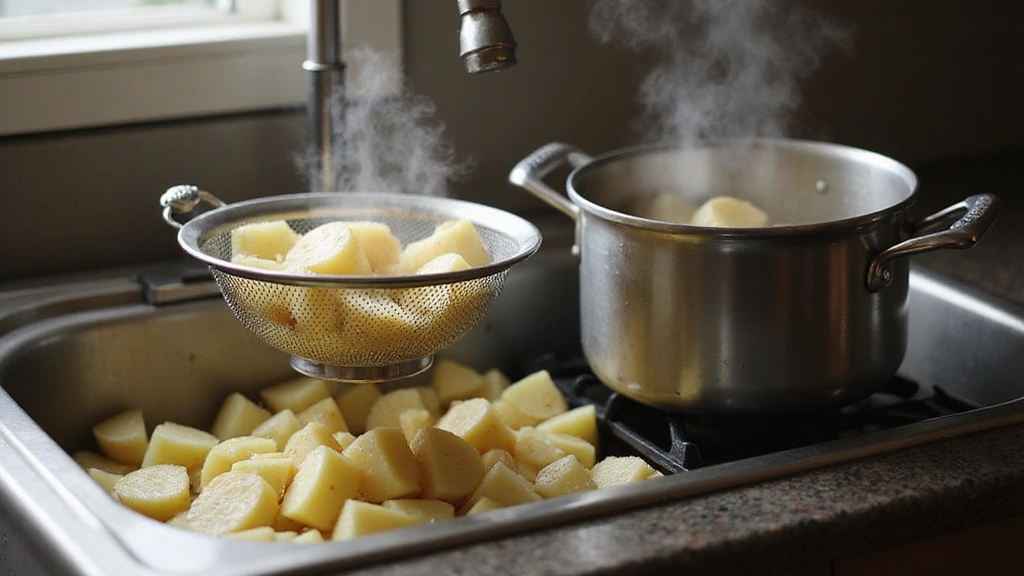
Once the potatoes are tender, drain them in a colander.
Return the drained potatoes to the pot and place it back on the stove over low heat.
Allow the potatoes to dry for a minute to remove excess moisture.
Observe the potatoes as they begin to look slightly powdery on the surface.
Step 4: Mash Potatoes
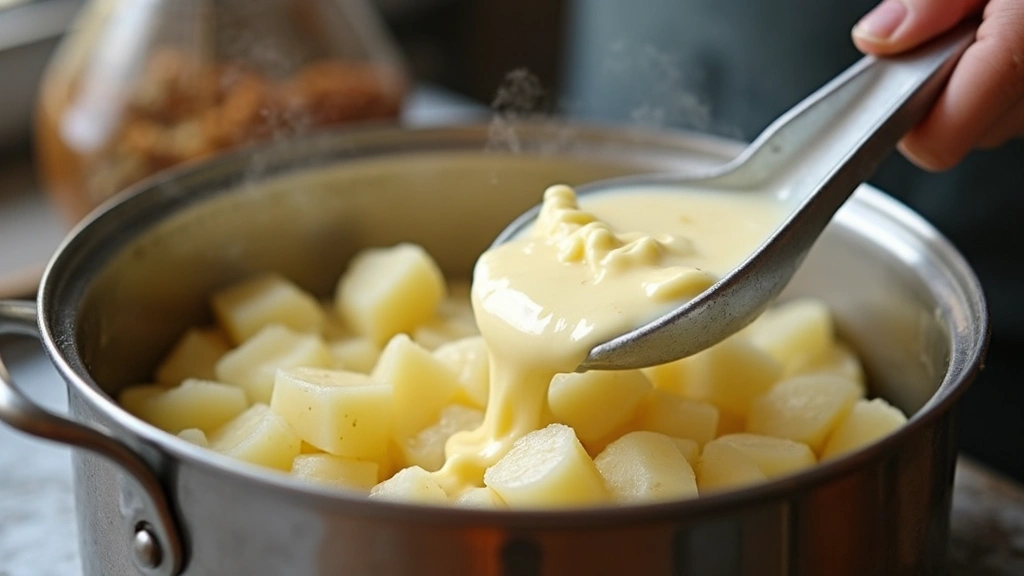
While the potatoes are still hot, begin mashing them with a potato masher.
Add the melted butter and continue to mash until incorporated.
Pour in the warmed milk gradually, mashing consistently to achieve a creamy texture.
Aim for a uniform consistency without over-mashing to avoid a gluey texture.
Step 5: Season the Mash
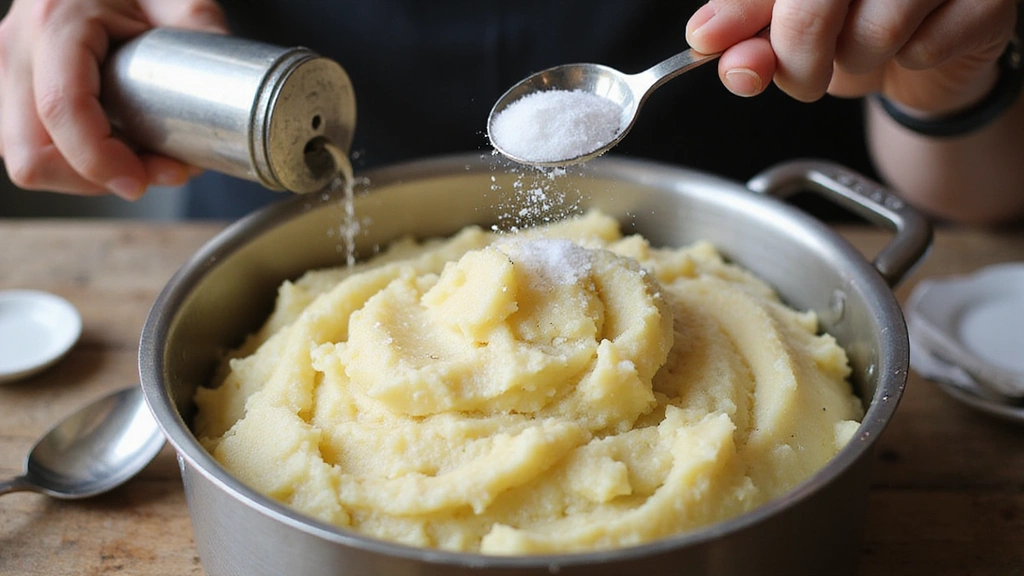
Add salt and freshly ground black pepper to the mashed potatoes.
Stir gently to combine the seasonings without overworking the mixture.
Taste and adjust the seasoning if necessary to suit your preference.
Look for a harmonious blend of flavors with a creamy, well-seasoned base.
Step 6: Finish with Garnishes
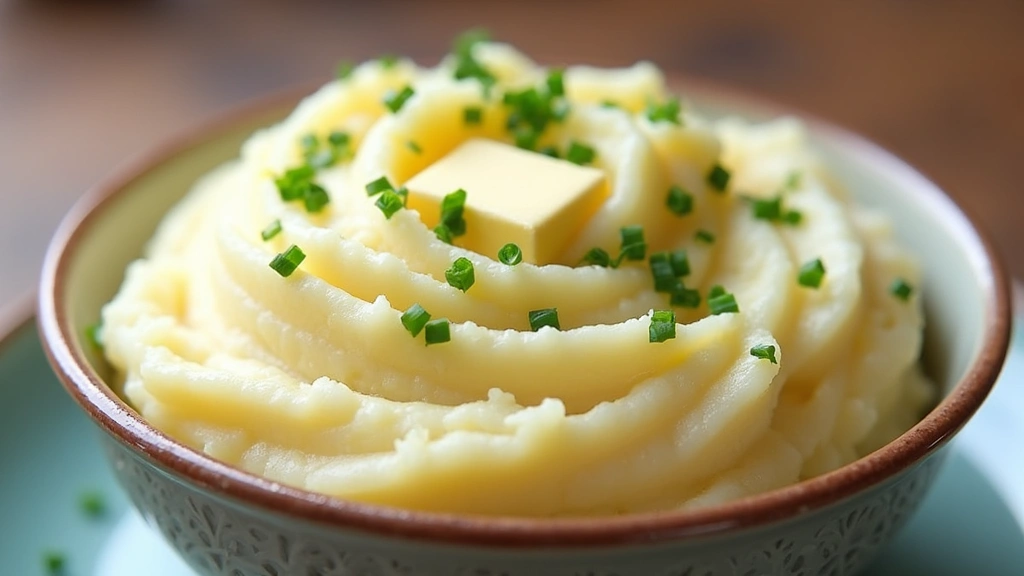
Transfer the mashed potatoes to a serving bowl for presentation.
Sprinkle chopped chives over the top to add a fresh, vibrant touch.
Optionally, add a pat of butter in the center for visual appeal and extra richness.
Ensure the garnishes are evenly distributed for an attractive presentation.
Critical Timing and Temperature Guide
Boiling Potatoes: Boil potatoes for 15-20 minutes, or until fork-tender. Avoid overcooking, as this can result in waterlogged potatoes that are difficult to mash.
Mashing and Mixing: Mash and mix the potatoes while they are still hot to ensure smoothness and avoid a gluey texture. Cool potatoes won't absorb butter and milk as well.
Serving Temperature: Serve the mashed potatoes immediately after preparation for the best texture and flavor. If holding, keep warm in a low oven or covered in a warm spot.
Pro Tips for Russet Mashed Potatoes
• Ingredient Selection: Choose high-starch russet potatoes for the fluffiest texture. Avoid waxy potatoes, which can become gluey when mashed.
• Preparation Secret: Dry the potatoes after boiling to remove excess moisture, which can dilute flavor and alter texture.
• Temperature Management: Warm the milk and butter before adding to ensure they incorporate smoothly and don't cool the potatoes.
• Texture Enhancement: For extra fluffiness, consider using a ricer instead of a masher.
• Flavor Layering: Add a clove of garlic or bay leaf to the boiling water for subtle flavor infusion.
• Make-Ahead Strategies: Prepare mashed potatoes up to a day in advance, store them in an airtight container, and reheat gently with additional butter or cream.
• Restaurant-Quality Finishing Touches: Finish with a drizzle of truffle oil or a sprinkle of crispy shallots for a gourmet touch.
• Equipment Optimization: Use a stainless steel pot to boil potatoes for even heat distribution and faster cooking.
Troubleshooting Common Issues
• Texture Too Dense: This may occur if the potatoes are over-mashed or undercooked. Ensure potatoes are cooked until fork-tender and mash gently.
• Flavors Unbalanced: Adjust seasoning gradually, tasting as you go, to avoid overly salty or bland potatoes.
• Potatoes Gluey: Overworking the potatoes can release starch and create a gluey consistency. Mash just until combined.
• Potatoes Lumpy: Ensure potatoes are boiled until fully tender and mash thoroughly. Consider using a ricer for a smoother texture.
• Lack of Creaminess: Add more butter or milk to achieve the desired creaminess, ensuring they are warm to incorporate easily.
Variations and Regional Differences
• Irish Colcannon: This version includes kale or cabbage mixed into the mashed potatoes, offering a hearty, green-infused dish traditionally served on St. Patrick's Day.
• French Pommes Purée: A richer version made with equal parts potato and butter, creating an ultra-smooth and decadent dish often served in fine dining.
• Italian Mashed Potatoes: Incorporates olive oil and parmesan cheese for a savory, Mediterranean twist.
• Southern US Style: Adds cream cheese and chives for extra tang and creaminess, popular in holiday meals.
Food Science Behind the Recipe
• Starch Gelatinization: During boiling, the starches in potatoes absorb water and swell, which is crucial for achieving the fluffy texture.
• Emulsion Formation: The combination of butter and milk creates a stable emulsion that coats the potato starches, contributing to the creamy mouthfeel.
• Heat Transfer: Boiling water efficiently transfers heat to the potatoes, cooking them evenly and thoroughly for optimal texture.
Frequently Asked Questions
What's the most common mistake people make when preparing Russet Mashed Potatoes? Overworking the potatoes, which can lead to a gluey texture. Mash gently and avoid using a food processor.
Can I use a different type of potato? While russets are ideal for their high starch content, Yukon Golds can be a good alternative for a slightly different flavor and texture.
How can I keep mashed potatoes warm for serving? Transfer them to a slow cooker on the warm setting or keep them in a heatproof bowl over simmering water.
What can I add for extra flavor? Consider mixing in roasted garlic, herbs, or cheese for additional layers of flavor.
How do I fix overly salty mashed potatoes? Add more unsalted butter or milk to dilute the saltiness, or mix in boiled potatoes without salt.
Can I make mashed potatoes in advance? Yes, prepare them a day ahead and reheat gently with a splash of milk and butter before serving.
What is the best way to reheat mashed potatoes? Reheat gently over low heat on the stove, stirring frequently and adding more butter or milk as needed.
Serving and Presentation Guide
• Traditional Presentation: Serve in a large, shallow serving dish with a pat of butter melting in the center and a sprinkle of chives for color.
• Rustic Style: Present in individual cast iron skillets for a cozy, homestyle feel.
• Gourmet Touch: Pipe the mashed potatoes into quenelles using a spoon for an elegant plating style.
• Family Style: Place the mashed potatoes in a large bowl, garnished with crispy onions or bacon bits for a crowd-pleasing effect.
Conclusion
With its rich history and comforting flavors, Russet Mashed Potatoes are a timeless dish that never disappoints.
Whether you're a seasoned cook or a beginner, this recipe provides the perfect balance of simplicity and flavor.
I encourage you to try this recipe at your next gathering and experience the joy of sharing a classic comfort food with loved ones.